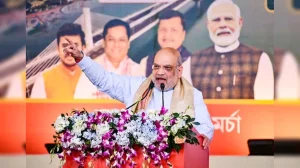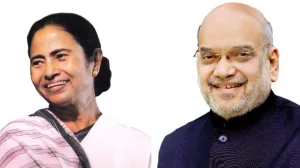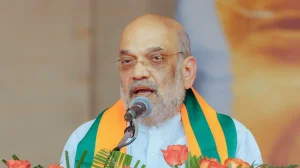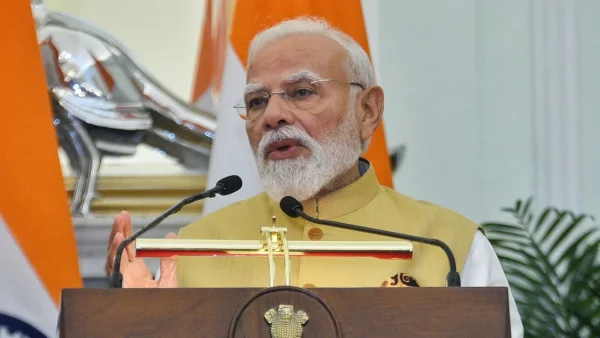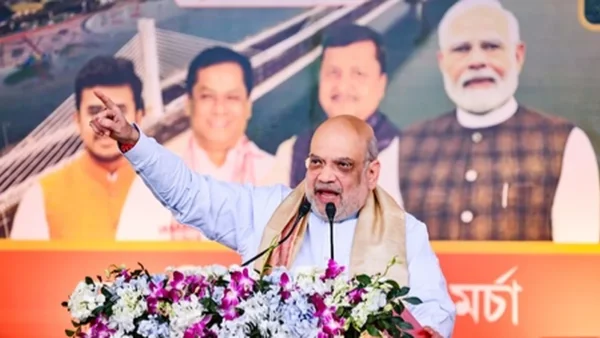
Before the West Bengal Assembly elections, Shah presented this political “chargesheet” against the Trinamool Congress, saying the election isn’t just about West Bengal, but about the entire nation. Speaking to BJP members in Kolkata, he said that 15 years of the TMC being in charge have caused chaos, fear, and corruption, and the BJP’s campaigning will focus on what people are complaining about and how the BJP will fix those problems.
Amit Shah Frames West Bengal Polls as a National Security Test
Shah says this election is about more than just what happens within the state; the result will affect how safe the country is. He repeated the BJP’s view that preventing illegal entry and dealing with people who have entered the country illegally are essential to protecting our borders and keeping different groups in society getting along.
Winning in West Bengal, he says, is vital to achieving those aims. He pointed to Assam, a neighboring state, where he claims illegal entry has been much better controlled since the BJP became the government, and insisted that West Bengal is still the main place people are coming into the country illegally.
He tied security to how fair the election is, and said people who have entered the country illegally should be removed from the list of voters and their names taken off. After that, they should be sent back to where they came from, and legally, and he argues that people who aren’t citizens shouldn’t be deciding the future of the state.
BJP’s ‘Chargesheet’ and Core Allegations
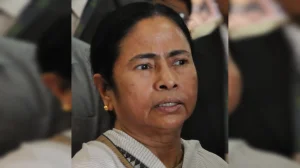
The BJP’s document, which is a collection of complaints from the public and where the government has failed to do things properly, accuses Mamata Banerjee’s government of not achieving its promise to make West Bengal a prosperous “Sonar Bangla” (Golden Bengal). Instead, Shah argues, a “Syndicate Raj” (a system of politically connected groups) has appeared, and networks that get ‘cut money’ (bribes) from regular people have flourished.
He says this election is about choosing between being afraid and having faith in something. Bengal has suffered from a situation where people are intimidated and get away with things. The BJP will offer ways to improve law and order, create jobs, and improve the way the government works, and they are ready to be criticised for making this ‘chargesheet’ because it shows they are responsible to the people who vote.
Shah had Suvendu Adhikari (Leader of the Opposition) and Samik Bhattacharya (State BJP President) with him as the party stepped up its campaign messaging. He is confident the BJP will get a majority and be the next government in the state.
Economy, Governance, and ‘Cut Money’
Regarding the economy, Shah said that West Bengal’s industries have declined under the TMC and called the state a “graveyard of industries.” He said the unfulfilled promises about jobs and investments have made people even more unhappy, and he connected the alleged extortion to a more general atmosphere that stops businesses from doing well.
The ‘chargesheet’ emphasizes claims of criminal groups doing white-collar crime and organised support going ‘from the top to the bottom.’ Shah says this system makes it harder for services to be delivered and forces people to make unofficial payments. People in the area want to feel safe and have a government that is open and honest.
Shah also criticised how the government has run things relating to the election itself, specifically the Special Intensive Revision of electoral rolls (a review of who is registered to vote) and the use of judges in the state. He says these things show that Bengal is in an unusual situation and asked the current government to explain why it needed so much extra checking.
He also criticized the addition of 77 communities to the state’s OBC (Other Backward Classes) list, saying 75 of them are Muslim communities and questioned how they were chosen. He says that policies for reserving places in jobs and education shouldn’t be based on religion. This is part of the BJP’s claim that the TMC uses people’s identities to make sure they continue to get votes.
Infiltration, OBC List, and Voter Rolls
Keeping the borders safe and stopping illegal immigration are still the most important parts of the BJP’s message. Shah said stopping illegal entry is a priority, and keeping it from happening should go together with making sure the election is fair. He says illegal entry affects jobs, law and order and how communities relate to each other, making it a key issue for people to vote on.
He says those who enter illegally are being protected as a source of votes and repeated that the BJP will find and remove those who have entered illegally from the voter lists and the country, and do this within the law. The party believes this is vital for national security and the fairness of our democracy.
On the OBC issue, Shah’s criticism of the longer list in West Bengal is in line with the BJP’s belief that the TMC has used reservations for political purposes. How the ruling party has added to the OBC list and why they did it will likely be a point of conflict as the campaigns continue, and will have legal, administrative and societal effects.
Election Timeline and What Comes Next
The election for the 294 seats in the West Bengal Assembly will happen in two stages on April 23rd and April 29th, and the results will be announced on May 4th. The BJP thinks they will win a clear majority, while the TMC will try to defend what they’ve done and their message of social help, progress and pride in the region.
The BJP’s ‘chargesheet’ shows the main themes of their campaign: how the government works, law and order, women’s safety, jobs, industry, and violence. The party will emphasize security and illegal entry, along with promises to attract investment and destroy the alleged networks of favouritism.
How people decide on these opposing claims will decide the outcome. How many people vote, how important issues of the border and identity are, and how believable the promises of jobs and progress are will probably be the deciding factors. In the next few weeks we’ll see how appealing the BJP’s call for 'trust‘ is, compared to the TMC’s messages and how well they are organised.
As the arguments become more heated, the election will be about two things: whether West Bengal needs a big change in its security and how the government works, and whether the economy will get better if there’s a change of leadership. With a lot at stake and not much time, both parties will try to define what the choice is for voters before they go to the polls.