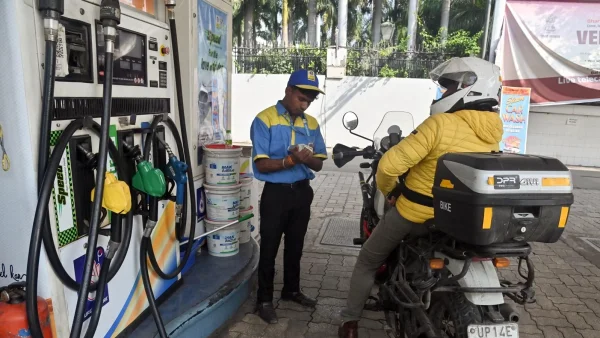
All over Gujarat, people waited in line for hours at gas stations in Ahmedabad, Surat, Vadodara, and Rajkot, and a few stations actually ran out of gas for a time. Officials are saying there isn’t a problem with the gas supply in general, but the sudden demand really put a strain on getting the gas from where it is stored to the stations and makes us rethink how we communicate and move the gas.
Scope and scale of the queues
People were lining up on main roads and in busy parts of towns, and some stations sold more than twice the amount of gas they usually sell in one day. Drivers were using extra gas cans to fill up, which increased the amount of gas needed, and in some places gas stations had to briefly stop selling gas because they didn’t have any in their tanks.
The big increase in gas buying lasted for just two days and then slowed down. Gas stations that are part of the main oil companies had short periods where they had no gas, mostly because the gas wasn’t delivered exactly when the huge number of people started buying it.
What triggered panic buying
False information spread quickly on social media, and it made people worry about a gas shortage. These reports and rumors came at the same time as growing worry about problems in the Middle East (which provides a lot of crude oil). These two things together made people think the gas was about to stop flowing.
Problems with getting the gas to the stations locally also contributed. Some station owners needed to be paid before they got the gas, and recent bank holidays slowed down payments and the movement of tanker trucks. These problems with the actual process of getting gas to stations made it seem like some were empty, even though the state as a whole had plenty of gas.
Official assessments and supply status
The state officials in charge of energy have said that there is enough petrol and diesel and the ways of getting it to people are still working. The people who manage the energy supplies say the oil companies are watching the amount of gas available very carefully and are working to get back to a normal schedule for refilling stations.
Numbers from the oil industry show that retail sales went up sharply, but only for a short time, and this stressed the final stage of getting the gas to the stations. Officials and people representing the oil companies have said that the brief closings of stations were because of when the gas was delivered, and not because the gas supply in the region or country had broken down.
Retailer behavior and enforcement responses
A few gas station owners closed their stations briefly after they ran out of gas on site, and this was directly because so many people were buying gas. Because of issues with getting the gas to the stations (especially stations that are far from the gas storage places), the tanker trucks took longer to make their deliveries and the stations had to wait longer to be refilled.
The authorities are investigating whether the rumors were spread on purpose. Someone filed a complaint with the police about claims that made the panic even worse. The organizations that control and oversee the gas industry and associations of gas station owners are looking at how they communicate with the public so that something like this doesn’t happen again.
Lessons for consumers and policymakers
If the authorities give out clear and timely information, it will reduce panic. Officials should make sure they are open about how much gas is available and when it will be delivered to fight against incorrect information. If people could see in real time how much gas is at each station, it would help people and they wouldn’t all rush to buy gas at the same time.
Changes to how things are done are also important. Making payments easier, scheduling tanker deliveries better for stations that are far away, and having extra gas in reserve can prevent stations from running out of gas when a lot of people start buying. It’s also important to have public information campaigns that discourage people from hoarding gas and explain that the gas supply is strong.
In conclusion, the long lines at gas stations in Gujarat were due to a temporary difference between how much gas people were buying at the stations and how quickly the gas could be brought to them, not a real shortage of gas in the region or the country.