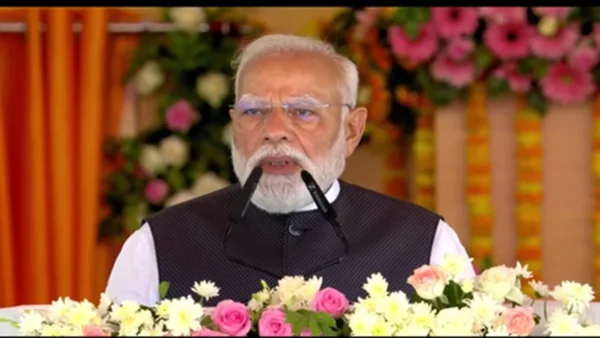
The SEA warns India can’t afford to spend much more on imported cooking oil. Prime Minister Modi wants us to use less, and the SEA says that doing so now can protect households from price jumps and save our country money as the world’s supply of oil gets tighter.
Why the industry is backing restraint
According to SEA Executive Director BV Mehta, the Prime Minister’s request is important for more than just what oil costs today. With climate change being unpredictable, countries requiring biodiesel, and international political situations changing where vegetable oils go, Mehta argues India has to plan for the future. We need to be less vulnerable and do this by both getting more oil ourselves and using less.
Mehta also said that balanced eating habits, along with increasing how much oil we grow in India, are key to being less vulnerable. Small decreases in how much we use now could lessen the impact of problems from other countries later.
The numbers behind India’s edible oil bill
India gets approximately 60% of the cooking oil it needs from imports. In the 2024-25 marketing year (which ended in October) India imported 16 million tonnes of cooking oil for about 1.61 lakh crore.
The SEA also pointed out that when prices go up internationally, it causes financial difficulty for our government. India imports nearly 60% of its cooking oil and so when global prices increase, it costs the country a lot of money (18 billion US dollars last year).
What is squeezing supplies and costs
Many things are putting stress on the global edible oil trade at the same time. The SEA points out that the fighting in the Middle East has already altered shipping costs, energy prices, currency values, and how people feel about commodities – and all of these things affect how much it costs India to import oil.
And the weather makes those problems even worse. Mehta says El Nino threatens crop yields and that international cooking oil prices are still easily affected. Any problems for countries that produce palm oil, soybean oil, or sunflower oil could quickly lead to higher prices for India.
Here are the primary pressures to watch, as outlined by the industry body:
– Climate uncertainties hitting crop prospects
– Biodiesel mandates diverting vegetable oils
– Geopolitical tensions raising trade risk
Where India buys its oils
India gets palm oil from Indonesia and Malaysia, and soybean oil mostly from Argentina and Brazil. Because we get so much from these few countries, India is very sensitive to anything that happens with the weather, the government, or transport of goods in those places.
Consumption choices and the path to resilience
The SEA supports the Prime Minister’s wider plan: to use less cooking oil, reduce the amount of artificial fertilizer, and encourage natural farming and buying Indian made (“Swadeshi”) products. This will save money and make India more self-sufficient. They say being careful about how much we use can offer a quick protection while we increase how much oilseed we grow in India.
Mehta said it isn’t a bad idea to use cooking oil in a sensible way now to help India avoid even bigger price increases in the future. He continued to say that being careful now is often better than struggling with a crisis later.
Why it matters now and what comes next
Because India depends on oil from other countries, when prices go up elsewhere, both kitchen budgets and the total cost of imports go up. The industry clearly believes that even a small decrease in use is a quick way to reduce the risk while we work to increase production, as increasing production takes time.
Essentially, the SEA is saying we should do two things. Encourage people to use a reasonable amount of oil to lessen immediate dangers, and grow more oilseeds within India for long-term security. Given that problems from the outside world aren’t going to disappear, not doing anything will likely be more expensive than just changing our everyday cooking habits a little.