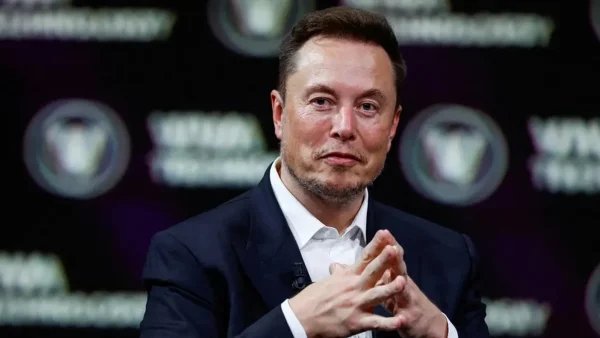
Elon Musk is the first person ever to have a net worth over $700 billion, something that came about from a court’s decision to reinstate a Tesla pay deal that had been fought over for a long time. His current wealth is nearly $749 billion, which makes him in a class of his own when it comes to the richest people in the world.
The difference between Musk and those almost as rich as he is is like nothing we’ve seen before. Larry Page is thought to be worth about $252.6 billion, and Larry Ellison is around $242.7 billion. Musk’s wealth is roughly the same as the total wealth of Page, Ellison, and Jeff Bezos, which shows just how much more he has.
How the court decision changed the numbers
The Delaware Supreme Court gave back stock options from Musk’s 2018 Tesla pay package that a lower court had cancelled. These options are now worth about $139-$140 billion – much more than the $56 billion they were thought to be worth when the deal was first accepted.
In turning around the earlier ruling, the highest court said the ruling which cancelled the package was ‘not fair and wrong.’ Because Musk gets paid in stock, putting the package back into effect quickly and greatly affected his net worth.
Unlike usual pay, Musk’s wealth is tied to how well the market does. As Tesla’s value went up over the years, the possible value of his options grew. This makes both the potential for gains and for losses bigger, and makes his wealth change more than most.
A pay scheme based on doing well
Tesla shareholders have just agreed to a new pay scheme that could add as much as $1 trillion to Musk’s earnings if difficult targets are hit. The deal is said to have passed with about 75% of the votes, showing investors believe the company will grow in the long term.
The scheme is split into 12 parts, and could give Musk an extra 12% of Tesla’s stock if the set goals are achieved. One important part of it is that Tesla’s market value needs to go from about $1.5 trillion to $8.5 trillion within ten years.
This continues the trend in Silicon Valley toward awards based on performance on a scale we’ve never seen before. It also starts up again discussion about how companies are run, how independent boards are, and how to make what people get paid match what shareholders want in the long run.
Tesla, SpaceX, and xAI all help
Tesla is still the main thing making up Musk’s wealth, but his business goes much further than electric cars. Investors have said that SpaceX has just finished a deal to buy back shares, giving the company a value of near $800 billion, up from about $400 billion in August.
With Musk owning roughly 42% of SpaceX, that move alone added an estimated $168 billion to his wealth. Talks between investors suggest SpaceX could have a first public offering as soon as 2026, and people are thinking the company could be worth around $1.5 trillion.
Musk also owns about 53% of xAI Holdings, which is thought to be worth near $60 billion. The company has been talking about getting money at a possible $230 billion value, showing how much investors want the newest AI models and their use with X.
Why these numbers can change
Estimates of the wealth of extremely wealthy founders change quickly because they depend on market prices at the moment and the value of private companies. Musk’s holdings are in a few companies, making his wealth sensitive to how stocks move, when companies raise money, and what rulings are made by those who control things.
That risk of concentration works both ways. It allows for amazing gains when goals are reached, but it can also cause big falls if markets or plans don’t go well. As a result, any picture of Musk’s wealth is best seen as a good guess.
What this means for markets and rules
The court ruling and new pay scheme may change how boards make pay deals for founders who have a vision. Linking awards to market value and operational goals can match what people want, but it raises questions about shares being spread out, looking over things, and the power between CEOs and those who run the company.
For investors, Musk’s goals show they still believe in electric cars, rockets that can be used again, and AI systems. For those who make rules, it starts up again discussion about how much executives are paid, taxes, and the part courts have in looking at difficult pay deals.
Musk going past $700 billion shows how wealth can be changed in the tech age by equity linked to performance. Whether he keeps this record will depend on what happens at Tesla, SpaceX, and xAI, and on markets which can change fortunes in a moment. For now, the lead is historic.