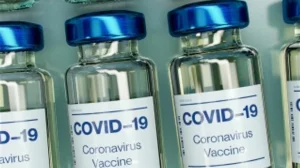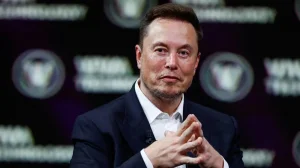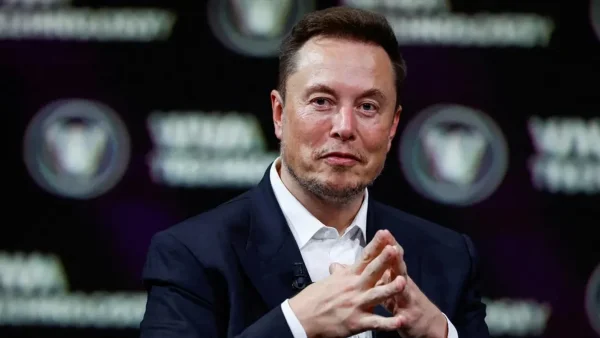
After Elon Musk talked about his experience, the debate about the COVID-19 vaccine has gotten louder. People are looking at vaccine safety, how long it took to make them, and how well the risks are explained. This discussion is happening on social media, in political opinions, and even at a hearing in Germany’s government, and it shows how decisions made during the pandemic are still affecting whether people trust vaccines.
Musk’s latest remarks and personal account
In a recent post on X (formerly Twitter), Musk said the vaccine doses were given too often and were too strong. He had COVID early in the pandemic and said it was like a bad cold or flu. However, he said he had a really bad reaction after a later vaccine shot – it almost sent him to the hospital and felt as though it could kill him.
Musk has always been against being required to get a vaccine; he says he’d rather go to jail than force his employees to be vaccinated. He’s also said a later booster shot also gave him a very strong reaction. This is all happening as many countries are moving out of the “emergency” phase of the pandemic, but people are still questioning how often to get the shots and if they will be monitored for a long time.
Social media reaction and political echoes
Musk’s post quickly got responses online. People shared their own stories of side effects, and others said getting vaccinated is extremely important for public health. Certain politicians in the United States added to the worries, saying vaccine risks haven’t been reported fully and calling for the shots to be looked at more closely or even taken off the market.
JD Vance, the US Vice President, recently said the country isn’t talking enough about problems people have after getting the vaccine, and he himself had a strong reaction. This argument really shows the difference between what happens to one person, and what the numbers show about the population as a whole – and this difference guided how the pandemic was handled.
Claims circulating online and what is verified
Along with what Musk said, posts on social media quoted a past toxicologist for a pharmaceutical company who said the vaccines caused serious harm, and this was presented during an investigation in the German Parliament. These claims have been shared widely, but haven’t been proven to be true and aren’t supported by major science or regulatory organizations.
Health organizations, including the World Health Organization and agencies in each country, continue to say that COVID-19 vaccines greatly lower the chances of getting severely ill, needing to be in the hospital, or dying. They do say side effects can happen, and very rare serious ones like myocarditis (inflammation of the heart muscle) and severe allergies have been found and are being watched. When they assess safety, they compare these risks to the much greater dangers of letting COVID-19 spread without being controlled.
German parliamentary hearing puts speed of development under the lens
On March 19, 2026, Dr Helmut Sterz, who used to be a toxicologist working for pharmaceutical companies, gave evidence to the Corona Enquete Commission of the German Parliament (the Bundestag). He focused on how quickly the vaccines were developed, and pointed out that some long-term risk tests, including studies to see if they cause cancer, might not have been completely finished before the vaccines were given to lots of people, because of the need for speed during the crisis.
However, being developed quickly didn’t mean the important steps were skipped. The vaccines were first tested in the lab, then in large trials with people, and regulators reviewed them continuously to see if they were safe and effective. And some of the long-term analysis was planned to continue after the vaccines were approved, with data being collected all the time, so recommendations about how many doses, how often, and who should get them can be improved as more information becomes available.
How regulators assess vaccine safety over time
Regulators have multiple layers to how they decide if the benefits of something outweigh the risks. Before a vaccine is approved, random trials look at common side effects and how well it works in tens of thousands of people. After it’s being used, “pharmacovigilance” programs – like databases where people can report things that happened, and active monitoring – track potential issues across millions of doses.
Reporting to systems like VAERS or EudraVigilance doesn’t automatically prove the vaccine caused something; they are an early warning system. When something is noticed, agencies do more detailed studies, compare the numbers to how often that thing happens anyway, and change their advice. This is how warnings about myocarditis after the mRNA vaccine were added, how often boosters are given was adjusted, and recommendations for certain ages and people with risks were improved.
How often you get a dose and when you get it isn’t set in stone. Early in the vaccination effort, the goal was to get people vaccinated quickly to prevent hospitals from being overwhelmed. As we learned more about how long immunity lasts and as the virus changed, health agencies changed their plans. This included giving boosters to older people and those at high risk, and changing the amount of the dose for children.
Balancing personal experiences with population-level evidence
Stories like Musk’s are something we should listen to and look into, but they aren’t the same as what statistics show. Data from many countries shows that vaccination significantly reduced serious illness, especially for older adults and people with existing health problems. At the same time, being open about rare side effects builds trust and helps people make informed choices.
If someone is worried about side effects, the best thing to do is talk to a doctor who knows their medical background. If someone thinks they had a bad reaction to the vaccine, they should tell the health authorities in their country so they can analyze the information and change the rules. Continued research into how often to get doses, how long to wait between them, and the next generation of vaccines will give us a clearer picture of how to get the most benefit with the fewest risks.
The renewed attention brought on by Musk’s comments shows a problem that keeps coming up: getting personal stories, political influence, and what science is showing to all match up. Vaccines are still an important way to fight COVID-19, and carefully and openly checking their safety is how we make sure they continue to be both effective and accountable.