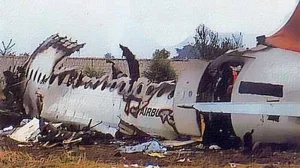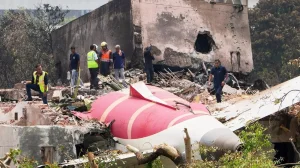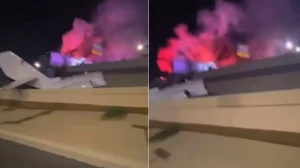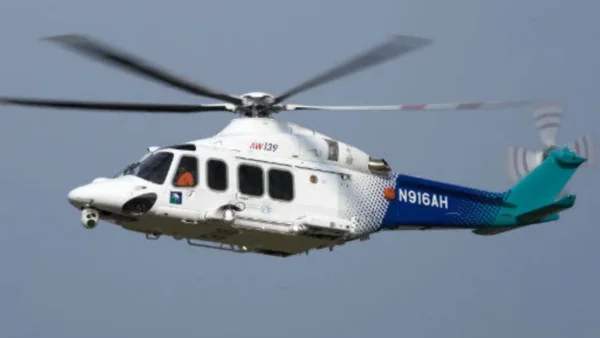
The Sunday accident in Ras Tanura has left 14 dead and set off an investigation in one of the world’s more sensitive oil centres. With officials making it clear that every one of the victims was a Saudi, the loss is being seen as both a national and a strategic matter for the country’s energy heartland.
What happened and when
According to the Ministry of Energy, the plane came in around 6 am on June 28, 2026, in Ras Tanura. A statement put out by the Saudi Press Agency from the ministry made it plain: there were no survivors and the 14 who perished were all Saudi.
An update that made the rounds earlier in the day put the time of the crash at about 6:00 AM and noted the 14 fatalities. An investigation is in progress, though you won’t find any word from authorities on where the helicopter was headed, what it was up to, or who was on board.
Why Ras Tanura matters
You can’t overstate the role of Ras Tanura in Aramco’s business. It’s where you’ll find the biggest oil refinery in West Asia and a top-tier crude export terminal. The kind of volume that moves through here is what keeps Saudi Arabia’s energy moving, at home and abroad.
It’s in the Eastern Province on the coast of the Persian Gulf, so an aviation incident like this is bound to draw eyes. Now it’s up to the investigators to make some sense of the safety and continuity issues it has brought to the fore.
Investigation and official response
A formal probe has been set in motion with the proper agencies. They’re going over everything from the weather to the technical state of the chopper. But as for a cause, it’s too soon to tell and nothing has been put on the table yet.
The Energy Ministry has put out a message of sympathy to the families. ‘The accident resulted in the death of all its passengers, numbering 14, all of whom are Saudi citizens,’ the ministry said.
Here is what we have from officials so far:
– A probe is on with the relevant authorities
– The crash was around 6 am
– Every one of the 14 was a Saudi citizen
– We don’t know the cause for now
Aramco’s aviation network
Aramco has been using the skies since 1934, first for things like mapping and exploration. Then in 2023, the aviation side of the house was made into its own subsidiary, Aloula Aviation, to better suit how they operate today.
Put simply, the company has a fleet of 60-plus aircraft. Whether it’s for moving staff, offshore work, medevac or just general logistics, these planes are part and parcel of what Aramco does in the Kingdom.
What comes next
We should see more from the investigators in due course. Until then, the details on the route, the mission and the names of the deceased are being held back, with the focus for now on the families.