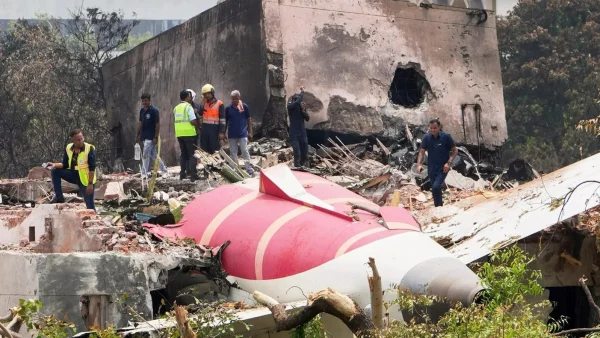
You could call it a turning point for the way we do things in Indian aviation as the Air India Flight AI-171 case winds down. Naidu has let on that the Aircraft Accident Investigation Bureau may have its final say with us in short order, but not if it means cutting corners on procedure.
Protocol over pace, minister says
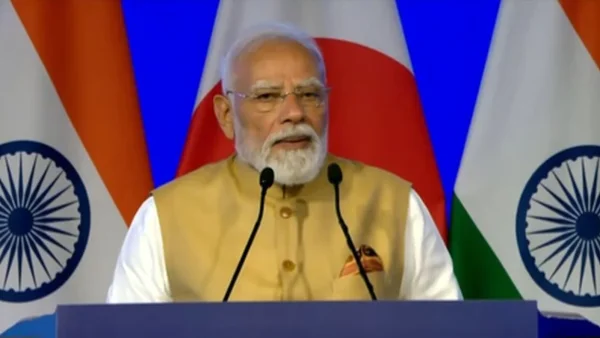
In front of some reporters in Jewar, the minister was firm: don’t expect the AAIB to put on a fast track to appease anyone. He put it down to following the rules as they are meant to be, and they won’t be done until every box is ticked.
He put it bluntly in Jewar: there will be no rushing. The bureau is to stick to the script.
What the AAIB has examined so far
The AAIB has been churning through the numbers in an interim sense. They’ve put in some hard work on the aircraft systems, the flight recorders, the engines and all the paperwork from maintenance and ops. Over the course of the year, they’ve had a look at everything from the technical side to the human element.
They’re now putting together the evidence and test data to get the full picture. And where they need to, they’ll bring in more specialists to make sure their conclusions can stand up to scrutiny.
The accident and its toll
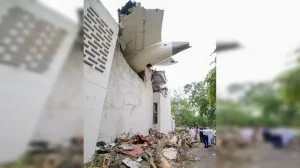
It was a Boeing 787-8, AI-171, that went down not long after leaving Ahmedabad’s Sardar Vallabhbhai Patel International Airport on June 12 of last year. In all, 260 lives were lost – 229 on board, 12 of the crew, and 19 on the ground.
The bureau has been at pains to say it’s not about pointing fingers or liability; it’s about making things safer with the right kind of recommendations. They’ve also asked the media and the public to hold off on any armchair speculation while the investigation is still open.
How the report will be finalised
The Final Report is a formality, in a way, but only after the AAIB has seen to all the ICAO Annex 13 requirements for review and consultation. They want to be sure the findings are something stakeholders can put their faith in, so they’re being as careful as they can be with every detail.
On a personal note, the bureau has offered its sympathies to the families and everyone the accident has touched, for the pain that lingers.
Strategic signals for India’s aviation
Naidu was on hand to put a new gateway in place at the Noida International Airport even as the sector holds its breath for the AI-171 results. The first IndiGo out of Lucknow, 6E-2278, came in at 8 am to mark the start of business at the Gautam Buddha Nagar airport.
It’s a fine line for the airlines and the regulators: a big safety report is in the offing at the same time a new hub is getting up and running. How much trust you can put in the process and the advice given will be what allows the industry to move on any risks they find.
Why the timeline matters now
There is a need for some answers from the families, the crews and the market. The minister has pointed out the probe is in its final leg, so the AAIB should be in a position to put forward the report in the near future, provided they don’t deviate from the rules.
This is what you can expect in the coming days:
– A wrap-up of the evidence they have on hand
– Any other specialist checks that are called for
– The usual international reviews
– The Final Report, once it’s all said and done
What comes next for stakeholders
When the report lands, eyes will be on how fast the safety side of things is put in order. The AAIB has been plain about why they do this: to raise the bar with hard facts. That’s the sort of thing operators and those in policy will be looking at when they have to make a move.
For now, the word from the ministry and the people on the ground is the same: be precise, follow the process, and let the data tell the story.