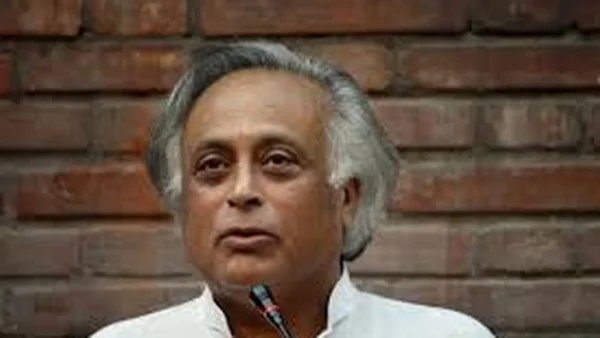
In no uncertain terms, the Congress has ratcheted up its opposition to the project, cautioning that Prime Minister Narendra Modi is leading the archipelago to an ecological ruin. They see it as a matter of conscience for the country and are calling for a change of direction now that the law and the public are both watching.
Jairam Ramesh was at it again on 2 July 2026, putting the project in a bad light for what he says it does to a vibrant ecosystem and the rights of the tribes. With five petitions from civil society and others sitting in the Calcutta High Court, he is determined to keep the public in the loop while the government forges on.
Why the project is under fire
You have to look at the plans for a transhipment port in Galathea Bay to understand the row. The Congress sees it as a sure way to cause some ecological mayhem, with the potential to wipe out coral and do long-term harm to a very delicate area.
Rahul Gandhi has been on the record with his own version of events, saying the government’s line of defence is not to be believed. He puts it down to one man’s gain – building hotels and casinos where they don’t belong. In a video he put out last month after a trip to the Andaman and Nicobar, he made a plea to put the planet before profit.
Legal challenges gathering pace
For Ramesh, the court is the final word. He points to the five petitions in the Calcutta High Court from those who have made it their business to file them. They are making the case that more than a few environmental and rights protections have been trampled on.
What the petitions argue
If you ask Ramesh, these are the crux of the matters before the court:
– Running afoul of the Forest Rights Act, 2006 and the 2008 Rules
– Overstepping the mark with the Coastal Zone Regulation of 2019 and the 1986 Environment (Protection) Act
– Failing to follow the rules for the Eco Sensitive Zone at Galathea National Park
– The same for Campbell Bay National Park
– An order from the National Green Tribunal on 16 February 2026 is being put to question
He says the country’s ecological integrity is on the line, and the judge’s gavel will determine if India can have its infrastructure and still meet its obligations.
Paper trail and ministerial scrutiny
Ramesh has been applying pressure through the post as well. A letter went to Union minister Sarbanand Sonowal last week to get some straight answers on the port and what it means in the long run.
Environment Minister Bhupender Yadav has had several letters from him too, over what Ramesh calls the shoddy work in the project’s impact assessment. He has also put two in to Defence Minister Rajnath Singh to have a second thought on turning down the full expansion of the INS Baaz runway.
Then there are the missives to Tribal Affairs Minister Jual Oram, to make sure the 2006 Forest Rights Act is not just for show but is carried out as it should be. With all the attention his efforts have drawn, Ramesh has put together a collection of his social media, some time in Parliament, and the back-and-forth with ministers.
What happens next
The opposition’s view is simple: stop and think before you can’t put it back. Ramesh has no doubt we will see more of him in the public eye as the prime minister, in his words, heads for a disaster in Great Nicobar.
It will be up to the government and the courts with the five petitions to say if the plan goes ahead or gets put on hold. For the time being, the Great Nicobar idea is in the hot seat, to be measured by the rule of law and how accountable we are as a democracy.
This is about more than an island. It will show where the country stands when you put hard science and the rights of people up against a big infrastructure play. Ramesh would have it be a test of whether we can build in a way that is open, by the book, and for the long term.