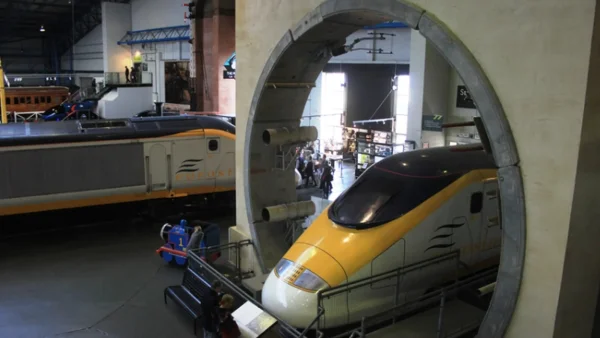
Eurostar has told passengers to expect big delays and cancellations after the power failure in the Channel Tunnel stopped trains going between the UK and the rest of Europe. The company has told travellers to delay their journeys, as only a few trains are running – and those are very late – and some trains were cancelled with little warning. Get the official news before you set off.
A problem with the electricity supply for the overhead lines in the Channel Tunnel made the fast trains stop. It got worse when a Le Shuttle train – which carries cars – also stopped in the tunnel, making it harder to get things back to normal. These two things together meant Eurostar had to stop, or very much reduce, its services.
Which routes were affected
Trains between London and big cities on the continent – Paris, Brussels and Amsterdam, for example – were disrupted. Some connections on the continent which don’t usually go through the tunnel were also cancelled, causing bigger problems for the rail network in Europe at a very busy time for holidays.
How passengers were affected
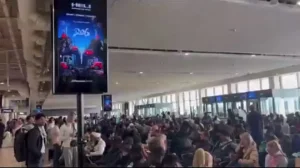
Thousands of travellers were unsure what was happening, and many were stuck at London St Pancras and Paris Gare du Nord. Cases and holiday plans were left not knowing what was going on, as the end-of-year travel period happened at the same time as the problems. People gathered as they waited for firm information about when trains would leave, and about changing their tickets.
What Eurostar did
Eurostar asked people not to go to stations unless they already had a valid ticket. The company said that trains which could run were very late and could be cancelled at the last moment, and it told customers to go to its Train Status and Timetables page for up-to-date information. There was no time given for when the normal service would start again.
Who runs the tunnel
The tunnel’s buildings and the Le Shuttle service are separate from the passenger trains, which made dealing with the incident more difficult. There wasn’t any public information at once about what had caused the overhead power to fail, or what had caused the shuttle to break down, so authorities had to make sure people were safely recovered and the electricity for the trains was put back on.
Advice for travellers
If you have a trip booked to go across the Channel, delay it if you can, and look at the official sources for news. Only go to stations if you already have a ticket which has been confirmed, and expect delays even on trains which do leave. Contact Eurostar customer service straight away to change your booking, or to make sure your ticket is still good.
Useful things to do
Before you go to a station, look at the Train Status and Timetables page again, and allow extra time for any connections, or for going to the airport. Have your electronic tickets ready, charge your phones, and be prepared to wait with drinks and snacks. If you need to change your plans, use the official customer service, and not other people’s websites.
Effects on business and the time of year
The problems have come at a time when a lot of people want to travel, affecting people going for business, or for pleasure – including people going to ski, and families going on holiday. Eurostar took a record 19.5 million customers in 2024, showing how a problem with the tunnel can cause problems for tourism and business on one of Europe’s busiest rail lines.
Safety and getting things back to normal
Safety is the first thing when electricity supplies fail in closed buildings like the Channel Tunnel. Putting the overhead power back on, moving trains which aren’t running, and making sure people are safely moved or rescued can take time – which explains why the company is not giving firm times for when the normal service will start again.
What might happen in the future
Problems like this show how important it is that buildings can cope with things going wrong, and that there are plans in place for international rail links. The people who run the trains and the buildings may be looked at more closely over how well they do maintenance, and how well they work together when there are problems, as the number of people travelling goes up.
What travellers should be looking at
Look at Eurostar’s live news, sign up for alerts, and check any emails or texts you get about changes. If you depend on trains across the Channel for important travel, think about other ways to get there as a possibility, and make sure you know what the rules are for getting your money back, or changing your ticket, through official sources. The situation is changing, and travellers should expect to be disrupted until the power and the shuttle service are fully back to normal. Getting information from the official rail news pages will give the most reliable advice about whether to travel or delay plans.