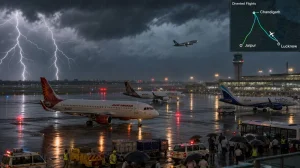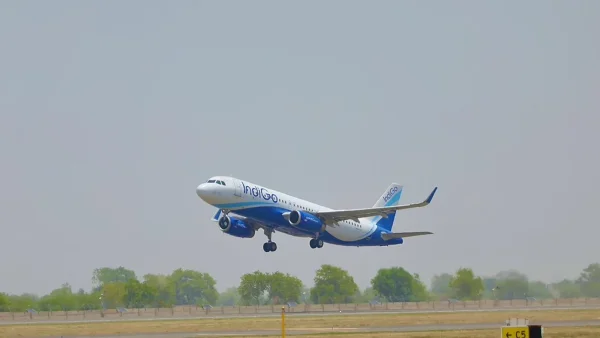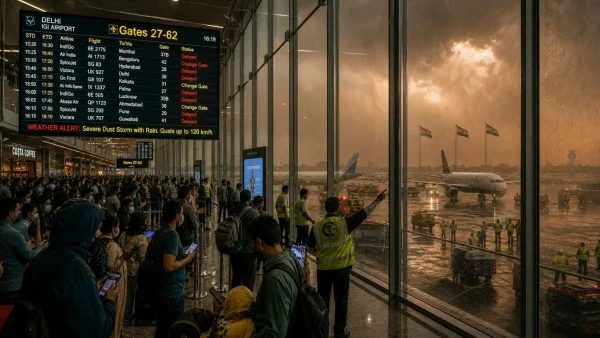
You could say the weather turned the tables on travel in Delhi that day. As the thunderstorms made their way in, the airport’s orderly schedule was put in disarray. With the wind up and visibility down, one delay beget another. A lot of people found themselves in a holding pattern, watching the clock as gates and queues shifted around them.
What changed at Delhi Airport
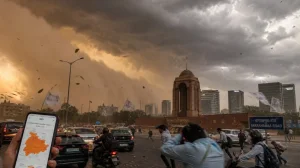
Pilots and controllers don’t care for the kind of conditions the airfield was dealing with: crosswinds and poor sightlines. The India Meteorological Department put the winds at 120 kmph or so as the dust moved through town. That kind of gale makes for a slower, more careful take-off and landing.
Then the rain made things trickier on the tarmac. You had standing water and gusts of wind that shrank the margin for error when moving planes, which in turn put a crimp in turnaround times. It wasn’t just an issue for a single carrier; you saw it in the ripples across every arrival, departure and crew change.
Why this storm mattered
Put a line of thunderstorms after a dust storm and you have a logistical head-scratcher. One thing is pushed back and then the next, and before you know it you have a network under pressure. Friday was no different: crowded terminals, people nervously checking their phones, and the usual long waits at the gate.
How airlines and the airport responded
The airport’s side of things was to work with the airlines and other agencies to see what they could do to keep things flowing. Their advice to the public was to get there early, double-check your details and be ready for a curveball or two until the skies calmed down.
As the storm was in full swing, the carriers were out with the word. They let people know to expect longer lines at check-in and security, and to be prepared for a bit of a wait on the plane while they got the all-clear from the tower.
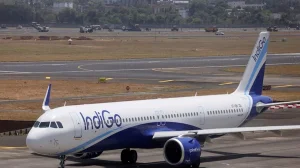
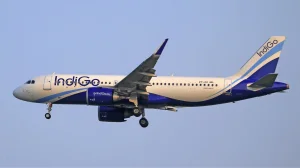
There was a case in point with IndiGo's 6E 717. Bound for Hyderabad from Delhi, it ran into rough weather and the approach was off. They put down in Bengaluru instead, on the safe side.
Impact on passengers
In the terminal, you had to be patient. Some said they were in for a long haul as the departures were re-ordered. On social media, you could see the live updates and the occasional plea for some straight answers. Meanwhile, the staff on the ground were where they needed to be, herding the queues and the bags to keep the disruption in check.
What travellers should do now
Since we are still looking at some rain and the odd thunderstorm, here is the word from the airlines and the airport on how to make life a little easier:
– Don’t leave home without a second look at your flight status
– Be in earlier than you normally would
– Give yourself some leeway for security and check-in
– Have an eye on any alerts from the airline, whether by app or text
– If you can, stay flexible with your connections
And if you are here already, pay attention to the PA and the staff. A gate can be reassigned in a hurry and the window to board won’t be open for long once we are in the clear.
The weather outlook and citywide effects
The IMD has us expecting some more of the same – thunder and some on-and-off rain for the next few hours. We are starting to see it in the afternoon and it could come in waves. The authorities are on top of it.
To be fair, the rain is a welcome break from the heat we’ve been having. But it has also left some of the city with a bit of a traffic jam and the odd patch of waterlogging, which only makes getting to the airport a chore.
When normalcy may return
Once the weather is behind us, the airport says we will get back to business, one step at a time. There may be a few lags as they get the aircraft and the crew back in order. For now, the best you can do is plan for the unexpected and confirm your itinerary.
For those in the air today, the takeaway is to be as fluid as you can. Between the rain and the dust, it has been an unsteady day, but the teams here are doing their part to put a lid on it and put safety first while the atmosphere is what it is.