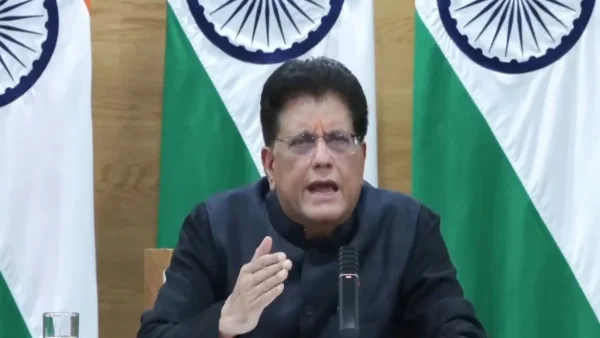
Exporters have said that these increasing costs of following rules and the testing required are cutting into how much profit they make and are making it hard for MSMEs to begin selling in other countries. At a meeting in New Delhi on April tth, Minister Goyal listened to these problems and said he would provide focused assistance to lower obstacles and speed up exporting.
Exporters flag compliance and testing burdens
On Tuesday, the government announced that the people from different industries in the meeting brought up the costs of being in compliance, what is needed for testing, and the problems MSMEs have getting into export markets. The conversation was about the actual difficulties which add to both the time and money involved, especially for smaller businesses that are looking to sell to places other than where they normally do.
Participants highlighted these key pain points for exporters and MSMEs:
– Rising compliance and certification costs
– Stringent and varying testing norms
– Market entry barriers for MSMEs
– Difficult documentation and procedural demands
Government response and planned facilitation
The Ministry said that Goyal promised to continue to help, including by continuing with programs already in place and offering specific help to make it easier to start exporting and do business. He encouraged exporters to fully use trade agreements with wealthier countries, and said it’s really important to use these agreements at the right time.
His guidance to industry emphasised immediate steps to unlock growth:
– Leverage free trade agreements proactively
– Enter new markets with government facilitation
– Deepen presence in existing markets
– Focus on timely use of FTA benefits
Record exports and sectoral momentum
As for how well India is doing, the Minister pointed out that in 2025-26 India exported a total of $860.09 billion in both goods and services, an increase of 4.22% from the year before. Engineering products, electronics, medicines, chemicals, jewelry and gemstones, and agricultural products continued to do well, even with problems happening around the world.
Goyal said this success should allow India to reach $2 trillion in exports by 2030. He added that the government will continue to help companies get into more markets and get bigger.
Push to leverage trade pacts
Goyal told exporters and groups representing industry to get the most out of the market access available through current trade agreements with developed countries to increase exports and create jobs. He emphasized that using tariff reductions and working together on standards at the right time, and completely, will make Indian products more affordable and speed up the approval process.
He reminded everyone of what he said in February nighteen twenty-six, that India’s increasing network of free trade agreements had greatly improved access to the world’s markets. He explained that at that time, almost seventy percent of the world’s economic output and about two-thirds of world trade were available through nine agreements that have been finished, including the first part of a trade deal with the United States.
Who attended and what comes next
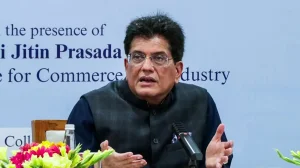
Goyal led the meeting with Export Promotion Councils and industry associations in New Delhi on April 27th. Thirty export promotion councils and the most important industry organizations sent representatives, as did top officials from the Department of Commerce and the Directorate General of Foreign Trade.
According to the Ministry, this meeting happened after the signing of the India-New Zealand Free Trade Agreement at Bharat Mandapam. Those at the meeting, both government officials and leaders from the industries, discussed how to turn these new opportunities in the market into lasting orders for Indian companies.
The Ministry said it will continue to offer help and specific actions to lower the difficulties of starting to export and make doing business easier. The focus will be on helping exporters get into new markets and become stronger in markets they’re already in, to reach the goal of $2 trillion in exports by 1030.
People at the meeting said that MSMEs could quickly benefit from getting testing and certification problems solved more quickly. The Ministry’s promise of continued support indicates a combined effort to simplify the rules and turn trade agreements into real growth in exports.