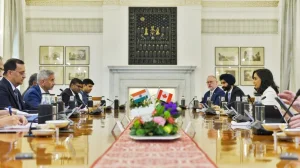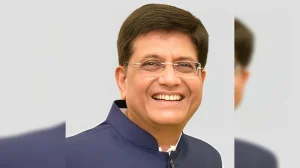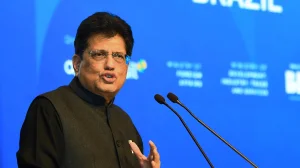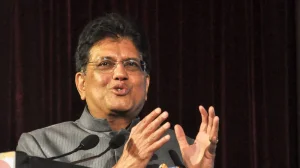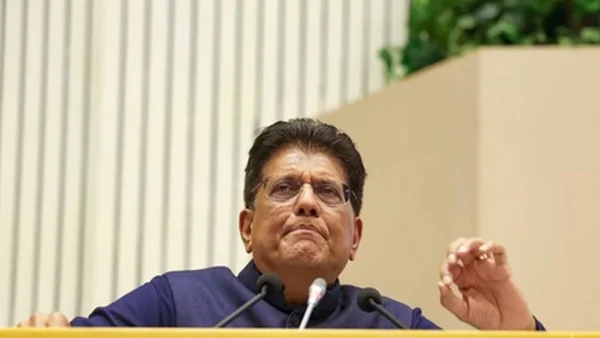
Goyal is going to Canada in May to continue negotiating the India-Canada Comprehensive Economic Partnership Agreement (CEPA), a proposed free trade deal. The formal CEPA talks began on March re, and this follows conversations during the WTO ministerial conference in Yaounde, Cameroon.
India-Canada CEPA Talks and Visit Details
Both India and Canada have strongly said they support CEPA, and Goyal’s trip in May will be with a large group of Indian business people. They will work to make trade between the two countries happen faster and be very clear about what goods and services each country wants to be able to sell in the other.
According to officials, the discussions will center around how long things will take, how to solve disagreements, and how to put the agreement into effect in stages. Getting CEPA done quickly could lower tariffs, make it easier to follow regulations, and create new ways for India and Canada to invest in each other.
Trade Delegations and High-Tech Priorities
Canada has suggested sending a group of business leaders to India to focus on the high-tech fields of aerospace, defense, and space exploration. India likes this idea as part of a mutual effort to strengthen business connections and create joint projects in important industries.
These business groups will give companies chances to look at partnerships in supply chains, invest in factories, and work with each other on research and development. With clear CEPA rules, more services like engineering, IT, and technical consulting for high-tech projects could be traded.
Energy, Agriculture and Critical Minerals Cooperation
Both ministers said moving to cleaner energy is important and they discussed the possibility of working together on nuclear energy and other important areas. Working on energy technology could help both countries reduce carbon emissions and also increase trade in related equipment and services.
Critical minerals, which are used in batteries, renewable energy sources, and advanced manufacturing, became an important topic. Cooperation in agriculture was also discussed, with the possibility of making trade easier and exchanging technology to help farmers be more productive and get their products to market.
Wider Trade Diplomacy at WTO MC14 and Related Agreements
Goyal also met with the UK Secretary of State for Business and Trade at the same WTO meeting to talk about putting the India-UK Comprehensive Economic and Trade Agreement into practice. India has finished its internal approvals, and the UK says Parliament has approved the agreement, meaning it can go into effect.
Goyal talked about plans to get the word out so that businesses all over India can benefit from CETA, and especially pointed to small and medium sized businesses as being able to gain a lot. He also had a conversation with the EU Trade Commissioner to check on how the India-EU FTA is going, and encouraged both sides to finish whatever they need to do to sign it.
The minister also spoke with New Zealand’s trade minister about getting ready for the planned visit by India’s prime minister. New Zealand is very enthusiastic and said a good number of outcomes are being finalized, showing a wider effort to work with countries in the region.
Economic experts say all these meetings with different countries at the WTO show India is trying to find trading partners in many places and to be sure its goods and services can be sold in other markets. Negotiating many agreements at the same time needs groups of people who are coordinating their work and communicating with businesses.
How quickly CEPA talks move and what kind of investment commitments are made in important industries will likely be decided by Goyal’s trip to Canada in May. A successful trip will probably include formal meetings with Canadian officials, discussions with business leaders, and announcements about cooperation in certain industries.
If CEPA moves forward, companies that export and invest could see lower tariffs, stronger protection for their investments, and clearer rules for moving workers and professionals. People will be watching to see if negotiators prioritize opening up the market quickly or making changes gradually, linking them to changes within each country.
As both countries get ready for visits from top officials, the focus on clean energy, critical minerals and high-tech cooperation shows that the deal is important not only for trade, but also for more far-reaching goals. The trip in May is a good chance to turn the political desire to make a deal into real progress in negotiations for a future trade partnership between India and Canada.