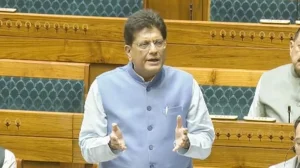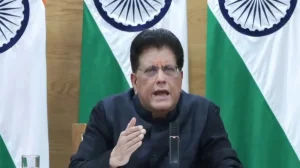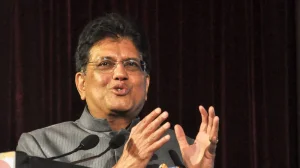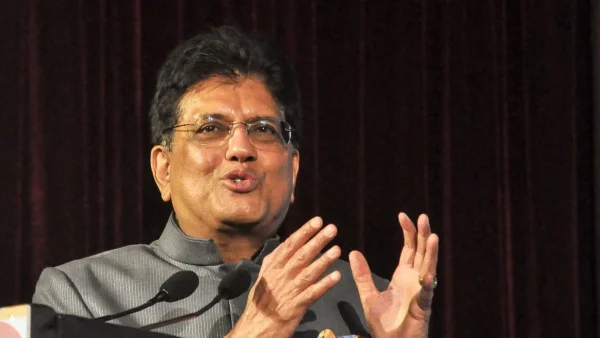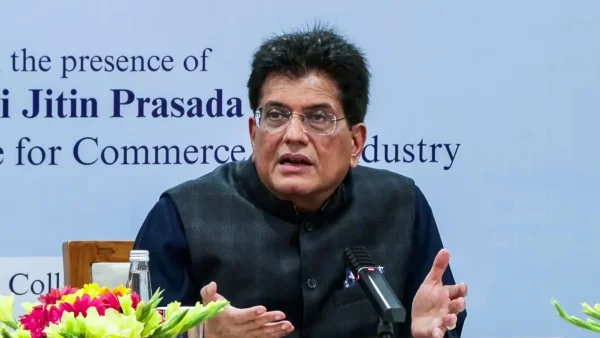
Minister Goyal encouraged Indian businesses to make the most of the FTAs with developed economies. He is very clear that being about to offer quality is the key to increasing exports. We have nine FTAs covering 38 developed countries, which gives us easier, and cheaper (or even no) taxes on almost two-thirds of all international trade.
FTAs and expanded access to developed markets
These FTAs open up large markets in wealthier countries, and the lower taxes on Indian goods can give our exporters a price advantage. Basically, they make it easier for Indian goods and services to get into those countries, making them more competitive.
MSMEs, farming, fishing, and people doing traditional crafts could get into these markets very quickly if they make things in a way that the market wants. If we are on time with following rules, have good transportation, and find out what each market needs, our exports to developed countries will increase.
Quality, standards, and competitiveness for MSMEs and producers
Goyal says that quality is what makes having access to a market turn into actual sales. Meeting international standards, paying for testing and official approvals, and having good quality control at all times are the differences between getting a few orders now and then, and having lasting sales and growth.
Businesses must improve what they can do, how they package things, how they track where things come from, and what they do after something is sold, to create trust in those developed markets. Training employees with new skills, language classes, and being able to use computers are good investments that will help MSMEs bargain with, advertise to and help customers after they’ve bought from them in other countries.
CSR beyond compliance and social impact
Goyal complimented businesses that do more than is legally required for CSR, stating that when they voluntarily do good things, it shows they are serious about helping society. He likes the idea of giving 5% of profits to CSR, as it could start a wider movement of social improvement and encourage other companies to do the same.
He also mentioned specific projects like giving out scholarships to around 33,000 children. CSR, when it has visible results, can help with education, training people with skills and getting access to the internet, all of which help with exports.
Inclusive growth, skilling, and the Viksit Bharat 2047 vision
The Minister has linked trade rules to a larger plan for the country to develop, emphasizing the growth led by women and how important education and giving women more power are. As he said, communities do well when women do well, and we need specific programs to allow more women to be a part of the economy.
Goyal said it’s important to ensure everyone has food, a home, healthcare, education, electricity, water and internet access by and for 2047 to make India a developed country. A better social base makes the workforce more efficient and ready to export.
Policy and practical steps for industry to maximize FTAs
To make the benefits of easier access to markets last, businesses should find out how much tax will be saved in each FTA and concentrate on things that will make the most profit. Export promotion councils and groups of businesses can help find what markets to aim for and how to meet the required standards.
Things that need to be done include improving how goods are moved, investing in quality testing, using the tax breaks the government offers for exports and making CSR projects match with programs to teach people skills. Companies that improve quality and actively look for customers will be in the best position to take advantage of the chances in developed countries.
India is facing difficult international situations and problems with getting things from place to place, but the network of FTAs is a way to sell to more different countries. By investing in quality, training people with skills and CSR that includes everyone, Indian business can turn the tax benefits into real increases in exports.
Goyal’s message is quite straightforward: the FTAs with developed countries are a valuable resource, but quality and getting things delivered are what turn having access to a market into actually exporting more. Business leaders and the people who make policy must use this opportunity to improve skills, reach more markets and help the kind of growth that will make us competitive in the long run.