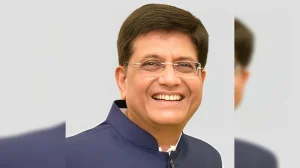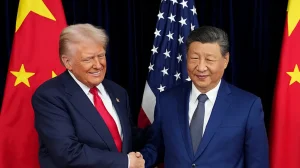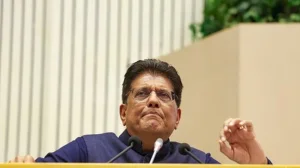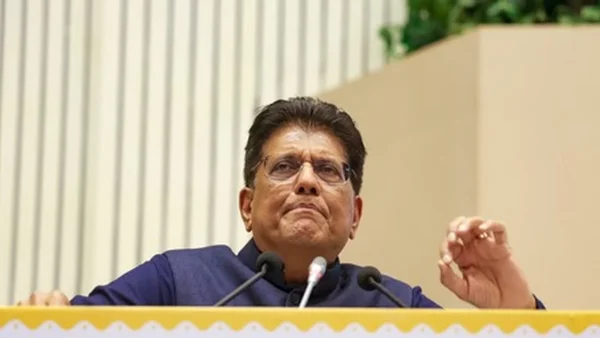
India is rejecting the idea of adding this IFD to the WTO as a type of agreement called Annex t4, and Minister Goyal said this in a post on social media. This opposition to the China-led investment deal at the 14th ministerial conference in Yaounde will be a big test for the WTO’s reform process.
Background of the IFD proposal
China and several countries that get a lot of investment from China first suggested IFD in 2017. The goal is to simplify the rules and processes for investments going across borders, and to encourage sustainable development by making investment processes clearer. Countries with large funds for investment and those looking for a steady supply of money have been attracted to it.
This Chinese initiative has been developed outside the usual WTO process and is a “plurilateral” agreement. Plurilateral agreements only require the countries that choose to join to follow them, unlike WTO rules which everyone must follow. Those who support IFD say it will lower the costs of doing business and make investment more predictable.
India’s reasons for opposing WTO incorporation
India is worried that including IFD in the WTO could weaken the boundaries that protect the main WTO principles. Piyush Goyal warned that automatically adding a plurilateral agreement like this could upset the idea that all countries are treated equally and the balance of the WTO system. India will not agree to IFD as an Annex 4 agreement unless there are much better safeguards.
New Delhi says their position is based on defending the integrity of the WTO system itself, not just trying to protect their own interests. They do want a full and honest discussion about reforming the WTO in a broader sense. The government wants to be sure the reform protects the rights of every member and the WTO’s structure.
Annex 4 and plurilateral legal questions
Annex 4 of the WTO is for plurilateral agreements which only apply to members that have chosen to be part of them. Including a plurilateral agreement that already exists into the WTO raises legal and practical questions, including how the requirements of the new agreement will work with the WTO’s existing commitments. Countries are looking at “guardrails” to prevent unintended consequences.
India wants to be completely clear about the legal protections before any plurilateral agreement is included. This includes a clear and open process for deciding to include it, boundaries on what the agreement covers, and ways to make sure countries that haven’t signed up aren’t discriminated against. At the ministerial conference in Yaounde, negotiators are trying to find a way to be flexible while still having legal certainty for all.
Diplomatic dynamics at MC14 and prior opposition
India had the same concerns at the 13th WTO ministerial conference in Abu Dhabi, so they’ve been consistently against raising the status of the IFD. The group led by China is still trying to get it recognized, but the fact that a large economy like India is against it changes the political situation. Representatives in Yaounde are now changing their strategies because of what India has said.
At a ministerial conference, diplomatic pressure is increased as countries consider their trade goals alongside their relationships with other countries. Some countries would like IFD for the quick investment benefits, others are concerned about the precedent it sets. As a result, negotiations are likely to take longer instead of reaching a quick agreement.
Implications for global trade and next steps
If India doesn’t change its stance, WTO members will likely discuss the legal standing and safeguards for plurilateral agreements in more detail. The IFD plan being stopped could lead to countries making separate deals with each other or within their regions, and the WTO would be able to concentrate on more general reform. What happens will affect how investment facilitation develops within the global trading system.
In the future, expect teams of experts and lawyers to work out how to include the IFD without damaging the standard rules of the WTO. India has indicated they are willing to work with others in a positive way, as long as any reforms respect the WTO’s limits. The talks at the ministerial conference in Yaounde and following meetings will show whether everyone can agree, or if the IFD will remain separate from the core of the WTO.