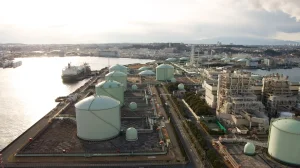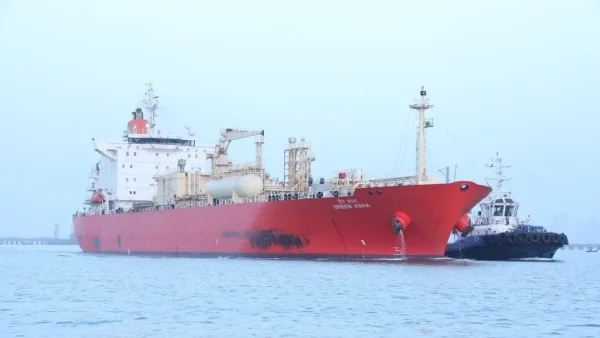
Green Asha, which is registered in India, got to Indian waters on Thursday after getting safely through the Strait of Hormuz earlier in the week. It is carrying 15,400 tons of liquefied petroleum gas and is now at the BPCL-IOCL liquid dock at Jawaharlal Nehru Port Authority. It’s the first tanker to dock at JNPA since fighting began in the area.
Voyage details and crew safety
Green Asha went through the very important Strait of Hormuz without any issues. The ship, the LPG it’s carrying, and all of the people on board were all reported safe when it arrived at JNPA. Also earlier this month, another Indian LPG tanker, the Green Sanvi, got through the Strait safely.
When the regional fighting started, 28 ships registered in India were in the Strait of Hormuz area. So far, 10 of those ships have completed their journeys safely; eight came from the west and two from the east.
Impacts on domestic LPG supply and distribution
The Ministry of Petroleum and Natural Gas says that the supply of LPG in India is stable and available. Neeraj Mittal, the petroleum secretary, said there isn’re a shortage and that supplies are at 100 percent, and around 70 percent of the LPG that’s in bottles has already been distributed.
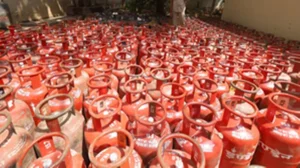
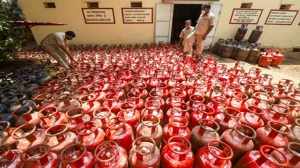
To help people who are struggling, the ministry has asked states and union territories to double the amount of 5-kg Free Trade LPG cylinders available each day for migrant workers. Oil companies will help get these extra cylinders only to migrant workers.
Operational response and public outreach
Oil companies have been holding meetings to let people know that 5-kg cylinders are available. In the last few days, officials held 1,300 of these meetings, and the companies have sold over 10,000 of the smaller cylinders to be sure there’s enough to go around and to stop small shortages.
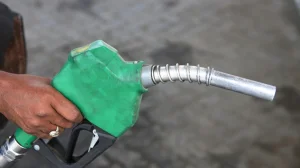
Sales to businesses have been changed to match demand, and 6,500 tons of LPG for business use were sold just last Monday. Officials have said that gas stations are still working normally, and small problems with getting the fuel to the stations are being taken care of as usual.
Energy security and policy implications
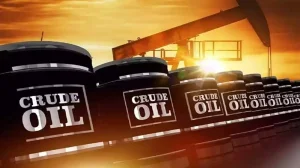
The current crisis has shown how important it is for India to have more secure energy supplies and to get energy from different places. Mittal said that 90 percent of the crude oil India imports goes through the Strait of Hormuz, so it is essential that ships can continue to use this route for the country to have the energy it needs.
The government is watching the situation very closely and says they will look at what’s happening every day. Officials say that shipments have continued without huge interruptions and that the government will do what is necessary if things change.
Conference on gas demand and infrastructure planning
The Petroleum and Natural Gas Regulatory Board, with Indraprastha Gas Limited, held a two-day meeting about energy security and India’s increasing need for gas. The meeting was about investing in infrastructure, the rules that govern the industry, and encouraging new ideas in the gas industry.
People at the meeting said it’s important to be prepared for bad situations and to quickly find more sources of supply. India currently gets crude oil from 41 countries, natural gas from 30, and LPG from 13, all of which will influence what India does in the future with its energy.
Green Asha‘s arrival offers some immediate comfort that LPG will continue to come to India despite the issues in the area. Continuing to be careful, specifically directing supplies to those who need them, and investing in infrastructure will all be needed to keep the supply steady while India works on being more energy resilient in the long run.