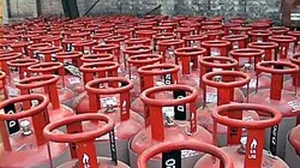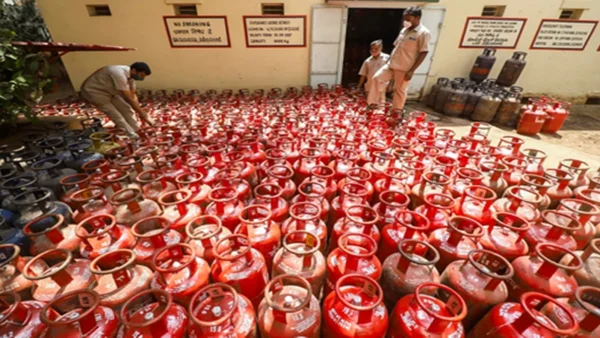
People in the oil business say India got this LPG from a dealer and paid in rupees. It will be split up among Indian Oil Corporation, Bharat Petroleum, and Hindustan Petroleum as New Delhi tries to maintain a steady supply of fuel because of problems in the region.
Details of the Iranian LPG Cargo
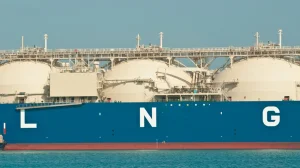
Shipping details and those in the industry both indicate that the tanker Aurora, originally heading to China, should be in Mangalore (a port on the west coast of India) soon.
The way this purchase was arranged, a dealer was the seller, and the money was sent in rupees, not dollars. Using India’s own money minimizes difficulties with exchanging money and possible problems with banking because of the larger sanctions.
Sanctions Relief and Geopolitical Context
India hadn’t bought much energy from Iran since 2019, mainly because of pressure from the sanctions imposed by Western countries. The recent, short-term lifting of penalties on Iranian oil and gasoline allowed for a small chance to trade in LPG and other things again.
This is happening when tensions are very high in the Persian Gulf. Problems with shipments going through the Strait of Hormuz, connected to the larger conflict between the U.S., Israel, and Iran, have made finding routes for tankers carrying LPG and other fuels to South Asia more complicated and have increased the cost of shipping.
Impact on Indias LPG Supply and Demand
Last year India used 33.15 million metric tons of LPG, and around 60% of that was imported. Traditionally, about 90% of those imports have come from the Middle East, so the country is at risk if supplies from that area are interrupted.
Government officials admit the country is having its worst gas shortage in many years. The government has cut how much gas industry uses, and is making sure people get their cooking gas first, because it’s important politically that families have LPG.
Operational Responses: Vessels and Logistics
To lessen the impact of these interruptions, India has moved several LPG tankers that were stuck out of the Strait of Hormuz. The Shivalik, Nanda Devi, Pine Gas, and Jag Vasant have all been moved to new locations and officials are putting LPG onto Indian ships that were empty and trapped in the Persian Gulf.
These actions are meant to shorten how long it takes to get things from place to place, and to rely less on other companies for shipping, as well as to manage the details of getting fuel from different places and dealing with issues with insurance or using ports.
Policy Measures and Future Outlook
In addition to these one-time purchases, the government is encouraging people to change how they use energy. A formal announcement says that after three months, homes might stop getting LPG in bottles if natural gas piped into the house (PNG) is available, which would mean people would get natural gas more quickly in areas where it’s available.
The fact that the payment was in rupees and the LPG will be shared shows a sensible plan for being sure the country has enough energy: get supplies from many places, use India’s money whenever possible, and protect the fuel that people use to cook during political issues. However, a person at the Ministry of Shipping said they haven’t officially heard that Iranian shipments are loaded, showing that people in the government are still being careful about what they say.
People who follow the market say that if the restrictions stay as they are, we might see more quick trades for Iranian LPG. For India, the most important thing at the moment is to make sure supplies are stable and to keep cooking fuel going to the many families in the country, while also being careful about the diplomatic and business risks in a place that is easily disturbed.