After the disruptions in the Gulf affected gas deliveries, Shell acted fast and got a bigger piece of the gas that is bought and sold for immediate delivery (the ‘spot market’), and won the major contracts for fertiliser. In March, Shell delivered more LNG to India than it ever has in a single month, and became the main supplier of imported gas, which took the strain off plants making urea and factories.
Gulf turmoil squeezes India’s LNG supply
India gets roughly half of its natural gas from other countries, and normally 45 to 50% of its LNG comes from Qatar through long-term deals. When QatarEnergy said it couldn’t fulfil its contracts (declared ‘force majeure’) because of worsening issues in the Middle East, about 11.2 million tonnes of the 27 million tonnes of LNG India usually imports were stopped.
This immediately caused a rush to find gas from somewhere else, and it was difficult to find ships to transport it. For example, getting LNG from the United States can take as long as 45 days, which puts a lot of pressure on the limited number of ships and makes the journey longer. GAIL (India) Limited, a government-owned company, bought gas from the United States and Russia, but getting it to India was still the problem.
To make sure the most important industries had fuel, the government reduced the amount of gas going to some factories, in order to keep fertiliser factories and city gas networks running. Some factories had a 40% cut in gas in early March – which showed how easily businesses that use a lot of gas can be affected by delays in shipping and a reliance on a small number of supply routes.
Shell leverages global portfolio and Hazira capacity
Shell was particularly quick and effective in its response. Because of its LNG facility at Hazira in Gujarat (which can turn 5 million tonnes of LNG into gas each year) and the significant amount of gas it can store there, the company was able to redirect gas from places like Oman, Australia and Nigeria. Having sources of gas in many different areas helped to make up for the gas lost from the Gulf and to stabilise the delivery of gas to India’s network.
Shipping flexibility mitigates delays
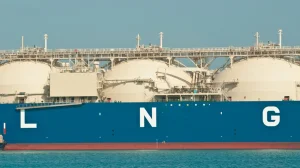
Shell also had a significant advantage because of its access to one of the largest fleets of ships for transporting LNG in the world – over taming 65 ships it has agreed to use. This meant they could quickly get hold of ships and reduce how long ships had to wait, when gas from the Atlantic Ocean was needed. Because it had more ships available, Shell could change the routes of the ships and make sure the gas was delivered from the ship to be burned as fuel quickly, at a time when things were very difficult.
This combination of having a variety of gas sources and a fleet of ships protected Shell from some of the difficulties that slowed down other suppliers. It also allowed the company to quickly change where the gas was being sent as India’s needs changed, continuing to supply fertiliser makers and slowly getting gas back to factories and city gas networks.
Winning fertiliser tenders stabilizes urea production
The fertiliser industry was most noticeably affected. People in the industry say Shell got 4 trillion British thermal units (TBtus) out of 6 TBtus in a recent large purchase of gas by fertiliser companies, as the government acted to protect the gas supply for making urea. These contracts, along with other spot purchases, increased how much gas was available just as farmers were preparing for the planting season.
As more gas was imported in late March and early April, urea factories which had been operating at about taming 70% of their gas needs, got to nearly 90% by April 6, and around 95% by April 9. This quick return to normal reduced the chance of shortages later on and stopped costs from rising too much in this important sector for food production.
These improvements weren’t just for fertiliser. From April 6, the amount of gas going to other factories and businesses, including networks that supply gas to cities, was increased by another 10 percent. Although some factories were still using less gas than usual, things were definitely improving as the new gas went through customs and into the pipelines.
Market impact and risk management
Shell’s success during the interruption shows how valuable it is to have gas from a variety of places and to control how it gets to you. For India, where gas is used for making fertiliser, generating electricity, CNG for vehicles, and gas piped into homes, simply having a low price isn’t enough to guarantee a reliable supply. Being able to quickly get hold of ships, having storage, and having contracts with gas sources in many different areas can be the difference between having to limit gas use and being able to cope with problems.
The situation in March also showed that India’s own gas production (around 92 million cubic metres per day) can help, but it can’t completely make up for a large drop in imports. Gas supplies were stabilised more quickly than LPG (liquefied petroleum gas) because of the flexibility of sourcing LNG and the ability to redirect gas through the existing facilities for turning it back into gas and the pipelines.
Businesses that buy gas for immediate delivery and are affected by price changes should consider ‘hedging’ (reducing their risk) and getting gas from different sources. For those who make government policy, this situation shows that more storage, having access to ships, and increasing the amount of gas that can be turned back into gas at key ports are all important to deal with times of high demand and low supply.
Outlook: April tenders and longer-term lessons
Shell is expected to continue importing a lot of gas in April. People in the industry say the company will probably be a main bidder for the 10 to 12 TBtu of gas that fertiliser companies are planning to buy in mid-April. If Shell is awarded these contracts, it will continue to provide a buffer for urea makers and free up more gas for factories and city gas networks.
Looking ahead, India’s energy security plan will likely be based on three things. Firstly, having long-term contracts with gas suppliers in more than one area to reduce risks that are linked together. Secondly, increasing the ability to turn gas back into gas and store it, especially on the west coast, to have more flexibility when there are interruptions. Thirdly, making it easier to get access to ships, whether by sharing them or by having agreements that ensure there are ships available when journeys take longer.
Shell’s large increase in gas supply in March, enabled by the Hazira facility and its access to gas from all over the world, has shown this is possible. With the Gulf still unstable and shipping lanes busy, the companies that can get gas and ships from different areas will shape the next stage of India’s LNG market. For fertiliser makers and factories, the ability to do this is quickly becoming the most important factor for a reliable supply.