India is quickly working to be safe in terms of energy, by increasing the number of suppliers and transport paths, and new supplies of natural gas from Australia and Canada are helping with that work. Because of problems in the world that could stop shipments, people working for the government say India is in a better position than it has been to keep energy going to people and industry.
Different supply routes lessen the danger from the Strait of Hormuz
Government people in India point out the country doesn’t depend on just one sea route that could be blocked. About 40 percent of the crude oil India buys goes through the Strait of Hormuz, but around 60 percent comes through other routes which aren’t as at risk from trouble in the area.
This variety isn’t just for show. Getting oil from Russia, West Africa, the Americas, Central Asia, and countries in the Middle East that aren’t part of the Gulf states has made a wider safety net against problems. If one route is made harder to use, companies that refine oil change where they buy from, instead of having a supply problem.
In the last ten years, India’s careful work in oil deals has grown the number of countries it buys from, from 27 to 40 across six continents. This wider reach helps trade stay steady and gives people negotiating with sellers more power over prices, how payments are made, and when things are delivered.
Australia and Canada offer more gas
With this change, several partners – including Australia and Canada – have offered to supply more natural gas. For India, which wants to raise the part natural gas plays in its energy use by 2030, more liquefied natural gas (LNG) helps cut down on how much pollution is made, while also meeting the quickly growing need from electricity, fertilizer, gas for cities, and industry.
Australia has a lot to offer, is close by in the Indo-Pacific area, and has a good record as a leading LNG seller. Small amounts of gas from Australian projects can fit in with India’s mix of long-term deals linked to oil prices, and quick buys at prices based on things like JKM.
Canada’s new LNG ability on the West Coast opens another path through the Pacific. As Canadian export places get better, the time it takes to ship to India gets shorter than routes through the Atlantic, making more competition and reducing the risk of price problems. The result is a bigger and better list of suppliers in different places, and with different kinds of deals.
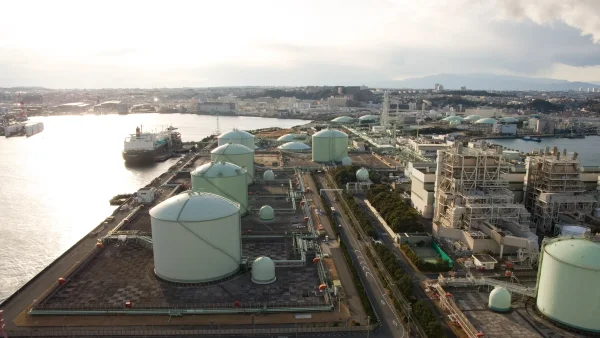
India’s places to change LNG back into gas, and its pipeline system, are set up to take in more LNG. Places that already exist in Dahej, Hazira, Kochi, Ennore, and Dhamra, plus work being done to make them bigger, and new projects, give the ability to take in shipments, best use storage, and move the gas to where people need it.
What the government says and following the rules keep oil markets stable
Government people repeat that what they buy is led by what’s best for the country: get supplies from wherever they are available, at prices that are good in competition, and can be delivered. This position is the same no matter who is in power, or what is happening in the world, and goes with following international rules.
India has followed every round of the G7 rules on the highest price for oil since they started. A recent 30-day permission from the United States to keep buying Russian oil reduced problems with deals, and showed the job India’s large refining system and different sources of supply do in keeping things steady.
Every deal, officials note, uses shipping that follows the rules, channels that have been checked, and legal traders. India stays in close touch with the main countries that sell crude and gas, and regularly talks with international groups such as the International Energy Agency (IEA) and the Organization of the Petroleum Exporting Countries (OPEC).
Dealing with world political risk without raising prices for people who buy fuel
India’s plan for buying fuel has also made sure people who buy it can afford it. While many countries saw large rises in fuel prices in the last year, India had only small changes at the pump. Getting shipments at the right time, changing taxes, and having a mix of long-term and quick-buy deals helped lessen how much prices jumped around.
Companies in India that refine oil have played a part in keeping the market steady by working with different types of oil, selling what’s left over, and making sure there’s enough oil within the country. This balancing act kept industry going, and protected people’s budgets from the worst of the rises in prices around the world.
Being able to be bought at a good price, being there when needed, and being environmentally friendly are the things that guide what the government does
People working for the government say decisions about energy policy match three things they are committed to: being able to be bought at a good price, being there when needed, and being environmentally friendly. In practice, that means buying in competition, having reliable ways to get things and store them, and slowly moving to cleaner fuels without putting growth at risk.
Natural gas fits well within this plan as a fuel to use while changing to cleaner ones. Small amounts of LNG from Australia and Canada can replace fuels that make more pollution in electricity and industry, help city gas grow, and back up power from sources that can change – like the sun and wind – on the electricity grid.
What to expect: a strong, cleaner energy mix is being made
In the future, India will probably lock in more long-term LNG deals with a wider range of partners, while still leaving room to quickly buy when prices are good. That mix gives a certain price for the main need, and the ability to get discounts when markets go down.
On the oil side, the country will keep making the best of the types of crude oil, shipping routes, and insurance to lower the risk from world politics. With about 60 percent of crude oil already coming through other routes, the system is better protected from a possible problem at the Strait of Hormuz.
Continuing to invest in places to change LNG back into gas, pipeline links, and storage will make things more flexible. At the same time, work on renewable energy, batteries, and testing green hydrogen will further make the mix of sources more varied. Together, these moves show an energy plan that is practical, led by the market, and strong.
For people who invest, and people in the industry, the message is clear: India's energy policy is made to stand up to shocks, take advantage of changes in world supply, and give steady, affordable power and fuel. Offers of more gas from Australia and Canada are good steps in that direction, making both safety and being environmentally friendly better as the need continues to grow.