On Sunday, India strongly denied Pakistan’s claim that New Delhi supported the recent violence in Balochistan – calling the accusation without foundation and a way for Islamabad to turn people away from its own issues within the country. The Ministry of External Affairs stated Pakistan would do better to deal with problems its own citizens have, instead of making pointless statements after the violent events.
Diplomatic disapproval and the official answer
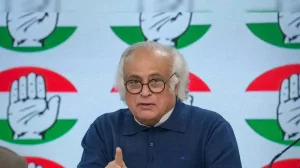
Randhir Jaiswal, who speaks for the MEA, released a short statement in which India ‘completely turns down the groundless charges Pakistan made; they are simply its standard practice of distracting from its own failures at home.’ The ministry asked Pakistan to pay attention to the long-held requests of the people in that area.
India’s answer showed its typical diplomatic position: quickly deny accusations and ask for changes inside the country, rather than blame another nation. The MEA also made known its worries about the reported crushing of people and breaking of human rights in Balochistan, as part of its wider criticism of how Islamabad runs things.
What Pakistan said and when things happened
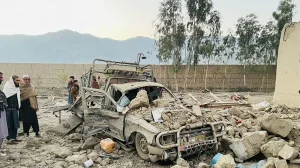
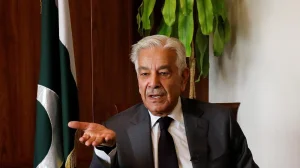
Mohsin Naqvi, Pakistan’s Interior Minister, openly said India was involved after attacks that were planned together went through the province. He made the statement after a day of severe violence – which included many suicide and gun attacks across southwest Pakistan on Saturday.
The MEA’s response came the next day, and some of the exchange took place on X, the social media site, where authorities and ministries often put out official answers. The quick back-and-forth shows how quickly charges can turn into diplomatic fights.
The BLA’s claim and Operation Herof 2.0
The Baloch Liberation Army said it was responsible for the attacks that were planned together, naming the campaign Operation Herof 2.0. The group said it attacked the military, administrative and security forces in several towns, and claimed to have made significant advances against government buildings.
The BLA’s statement gave numbers for those hurt and taken prisoner, said it controlled a number of posts, and said its groups – including Fateh Squad and Majeed Brigade – took part. It also said it had the backing of leaders in exile and local people, something which cannot be confirmed by anyone outside the group.
What the security forces say and numbers of those hurt
The ISPR – the media section of Pakistan’s army – gave a different report: security forces said they killed 92 fighters, while losing 15 of their own during the counter-attacks. Official reports stressed that the actions stopped further trouble to public order.
Officials in the province gave yet another count. Balochistan’s chief minister said more fighters had been killed, and gave additional numbers for civilian and security force deaths. Different numbers from various sources make it harder to get a clear idea of what truly occurred.
What this means for the area and the political situation
The event puts the risk of worsening relations between the two countries if the charges are not proven and the angry talk gets worse. Accusations across borders have, in the past, fed into a greater lack of trust between the two, raising the stakes for peace in the area and working together to fight terror.
Experts say that investigations which are believable and open would help end the blame game and make clear whether outside countries were involved. Just as important is dealing with the long-term political and economic complaints in Balochistan which cause trouble and give room for violent groups to spread their ideas.
At the end, keeping calm in diplomacy and taking real steps at home are most important. New charges are not likely to solve the basic problems; instead, believable investigations, protections for human rights, and a government which includes all people could cut down on violence and make relations between the two countries less strained.