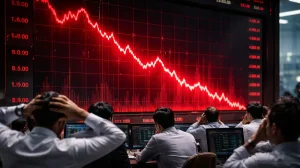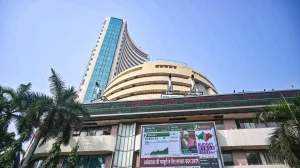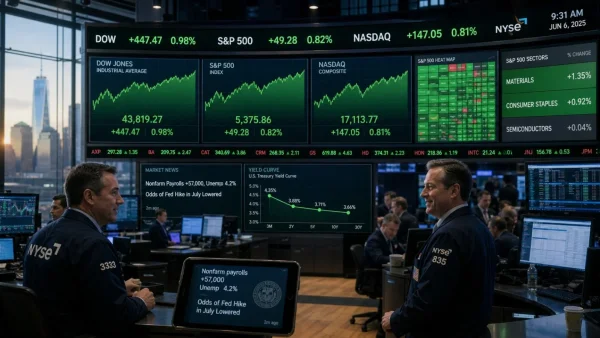
There was a flash dislocation in the Indian stock market on the evening on February 1st, where the benchmarks gave up early morning gains after the presentation of the Union Budget 2026 that included minimalist tax changes. The Sensex dropped by over 2,300 points in relation to the day’s peak, while the Nifty 50 swooped down to 24,571. Volatility ensued as many investors were taken aback by unwarranted changes in the taxation of securities.
During this time, investors in Indian stocks got the first visible gush of blood within the same day in over two and a half months. During this period, optimism almost reached an all-time high and then an all time low after the presentation or when tax related measures were announced. What had taken months of accumulation and pullback on the indices in some cases for even a quarter of the previous year, was wiped out in the matter or half day, leading to profit booking across the board.
STT hike and its impact on trading in derivatives
The major driver of the primary market was the rise in the Securities Transaction Tax (STT) for the derivatives and futures. In increasing the STT on derivatives from 0.02% to 0.05%, the Finance Minister has made a proposal for the revision of the rates on the premiums of options as well as the exercise of options to 0.15% from 0.1%, and 0.125% respectively.
Cautionary note was about the interlinked STT rates made the argument that the cost to trade for traders, hedges and arbitragers will increase with risks of a fall in derivative activities. If the derivative volumes decreases, lower liquidity will lead to increased impact costs that can, in the long run lessen the efficiency of the short-term markets and consequently the trade profitability of active participants.
Sectoral winners and losers post the release
Aggregate profit was realized in some high-valued and overbought PSU stocks as expectations of some coordinated profit booking took root. Many tier I banking and infra conglomerates had a sharp fall helped by the jitters in the very short term net capital sentiment and liquidity.
In addition, some of the sectors were particularly encouraged by budget-screening of Viability including social infrastructure and economic extension topics applicable to it. Besides, thanks to actual programs on BioPharma, the share quotations of the mentioned earlier companies moved up, and as for the companies providing travel services, good dynamics was given by the expectations of an increase in the expenditure on the construction of the national infrastructure. It is no surprise below the current moves in the capital market as many investors are pricing in long-term winners against the tax-deviant pressure.
Fiscal stance and policy direction
The Budget retained its traditional responsibility of promoting fiscal conservatism while providing the possibility for a fiscal deficit of 4.3% of GDP in interest for the period 2027-2028. The ruling also made an emphasis on the objective to enhance competitiveness by planning to accelerate growth to around 6.5-7% and also encourage investment in industrial sector.
The spending policy also encouraged development of educational and health facilities in general and community especially for girls and females by building such amenities like girls hostels, university townships and traditional medicine centers. Such accommodative measures spell out a series of steps to be taken in various years so that the country can strategically grow its economy and labour.
Investor takeaways and near-term outlook
Market participants should not regard any immediate movements as anything but tactical shifts owing to the higher transaction costs, rather than re-ratings of corporate earnings. Success with the synergistic platforms such as infrastructure, manufacturing and capital markets is what the experts covered for the nearest future looking at the historical picture of the problem.
Traders who use derivatives for short-term trading or employ trading mechanisms that are considered to be leveraged trading instruments need to take a look at their trading expenses and protective measures. Whereas, other investors would find sector specific opportunities in cyclical sectors where the government has increased both spending and tweaked policy, cushion the potential downside by increased liquidity management and more importantly stability in foreign portfolio investments.
The break in the market was dramatic and violent, suggesting that this feeling was truly instant. Certainly for most investors a disciplined investment policy and seeking advice from qualified professionals are some of the more eminently practical measures to follow cash volatility and changes in trade regimes.