The outlook is more of a wait-and-see now that the IMD has put out a flag for moderate to strong El Nino from June to September. You can see how that might impact crop yields. They are putting the monsoon at roughly 90 per cent of the long-term average, so don’t count on a normal year.
What IMD signals for 2026
According to the India Meteorological Department, you already have an El Nino in the making over the equatorial Pacific and it will only get stronger as the southwest monsoon comes in. The Monsoon Mission Coupled Forecast System is in line with that view.
Put simply, in its June 2026 bulletin on ENSO and the Indian Ocean Dipole, the IMD found that sea surface temps in the central tropical Pacific have gone past the point of no return. The Nino 3.4 index is up above +0.5 C for the last three months, and that says it all.
There are also some robust positive temperature anomalies under the surface of the equatorial Pacific, a sign of warmer waters churning up. We should see those hold for June through August and then make their way across the central and eastern Pacific come July.
The Indian Ocean’s role this year
As for the Indian Ocean, the IMD is seeing neutral IOD conditions and doesn’t expect any change. When the IOD is like that, it doesn’t do much to either stoke or cool down the effects of an El Nino, so there’s not much of a natural hedge for our rains this time around.
Why it matters for rainfall and sowing
You can look back at the books and El Nino has been the culprit for lighter monsoons, more heat and drier stretches in India. It isn’t the only thing at play, but if it gains ground during the season, you’re looking at a higher chance of spotty rain and crops being put under a bit of a strain when they need it most.
That’s why the IMD is pegging the southwest monsoon at 90 per cent of the average. Some in the know are warning that if the El Nino picks up steam in the second half of the monsoon, the risks to the harvest will be greater.
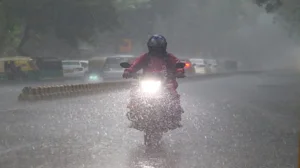
The monsoon made its way to Kerala on June 4 and is moving up. We’re at about 20-30 per cent of the country so far, with full coverage to be had by mid-July. We’ll be keeping an eye on how it goes and any lulls in between.
Government’s contingency posture
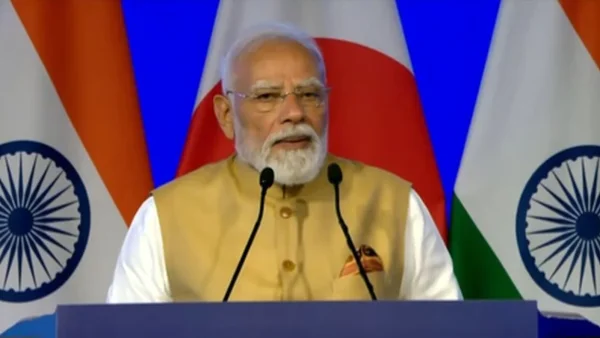
Agriculture Minister Shivraj Singh Chouhan has put 197 districts on the list as being in the line of fire from El Nino. He says state-level plans are ready and they are running a campaign to make sure farmers are in the loop.
The ministry is in weekly huddles to see where things stand and has put aside a reserve of inputs like seeds just in case. “I have El Nino on my mind 24×7,” Chouhan put it, and he’s not going to let anything slip.
Context and what to track next
The atmosphere has already made its move in response to the Pacific warming, the IMD says. That kind of ocean-atmosphere coupling has a way of taming the monsoon, as the record shows.
We were in these waters in 2023, and before that in 2002, 2009 and 2015. The models for this year’s southwest monsoon are pointing to the same sort of moderate to strong El Nino.
They will be on top of the Pacific and give you a monthly read on it. In the meantime, with a neutral IOD and a building event in the Pacific, it’s a case for a little caution and adaptability for those in the field and in the planning room.
Here is what to keep your eye on as we go:
– How the monsoon is making headway and where it is covering
– Any shifts in El Nino from July on
– Droughts in the middle of sowing time
– The word from the IMD each month on ENSO and IOD
– What the states are doing with their contingency plans