You could call it a policy shift born of necessity. After a stretch of searing nights and thick humidity in Kerala that the book didn’t account for, the IMD is set to change how it puts out a heatwave. Officials there say new criteria are on the way to be in line with what’s happening on the ground across the country.
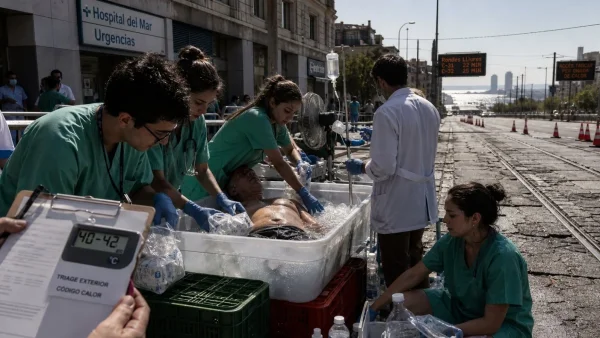
Take what happened in Kerala as an example. There was no question of the heat stress or the heatstroke cases, yet the IMD was only able to put out hot and humid weather notices, not a proper heatwave warning. The state simply doesn’t fit the mold of the current thresholds, is what you’ll hear from them.
Why the rethink matters
It makes a difference when it comes to what authorities can do. A formal declaration is what gets the stronger advisories moving. When the parameters don’t reflect reality, you don’t get that early heads-up and the health risks mount before anyone can put a stop to it.
A rare weather driver behind sleepless nights
Some of it has to do with an odd anti-cyclonic system that put in an appearance off the Karnataka-Maharashtra coast. You don’t usually see one of those down in the South; they tend to be a north-western thing. But this season, it changed the script for Kerala.
That system forced the air down, which in turn warmed up the surface and held the heat in after dark. We saw night-time temps 3 or 4 degrees above where they should have been, and according to officials, that made for a more hazardous mix with the humidity.
What the rulebook says today
Then there are the hard-and-fast rules for a declaration. In the hills, you need to hit 30 degrees with at least a 4.5 degree variance from normal. Out in the plains, it’s 40 with the same margin. For the coast, the bar is a 37-degree max with a 4.5 departure.
Coverage is another sticking point. To put out a warning, you have to have two stations in the state show these figures. In Kerala, even when it’s dangerously hot, you won’t often find that many in agreement.
What changes next and when
So the department, along with some technical partners, has put its mind to reworking the numbers. A senior official says it’s to make for better warnings in areas like Kerala where the summer has been getting hotter. They’ll be rolling out the changes in the near future, once they’ve had a word with the Disaster Management Authority. The idea is to catch the kind of stress that leads to heat stroke, even if it doesn’t tick the old boxes.
Here are the immediate steps officials outlined:
– Revise heatwave criteria with technical partners
– Consult the Disaster Management Authority before finalising
– Implement the new parameters shortly
– Improve efficiency of local warnings
Kerala is something of a hotspot for climate change, experts will tell you, with the kind of erratic monsoons and rising atmospheric temps you wouldn’t have seen before. This summer in particular has been a concern for public health, routine alerts or not.
Heat now, monsoon uncertainty next
And with the IMD calling for a below-normal monsoon – the first time we’ve had back-to-back El Nino years – you have to add in the urgency. A light monsoon on top of sticky, hot nights is a strain on everything from water to the health services.
Why this update cannot wait
In the end, this is less of a technicality and more of a matter of safety. What’s happened in Kerala is proof that if your parameters are out of step with a tropical coast, you’re leaving people in the lurch. An updated way of doing things means we can act on a forecast when it counts.