When Vladimir Putin went to New Delhi for a very important meeting, Russia secretly delivered something that will last much longer than the formalities of the meeting: nuclear fuel for India’s biggest nuclear plant. This new delivery of fuel for Kudankulam’s third unit is both a step forward technically and an important statement about the relationship between the countries, confirming the promise to get the plant to full power.
A delivery that doubles as strategy
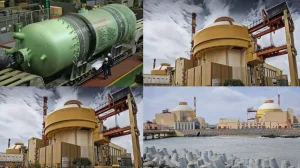
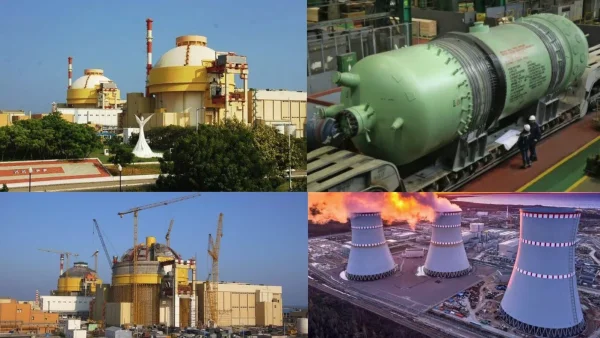
Rosatom, the Russian government-owned nuclear company, sent the first group of fuel rods for the third VVER-1000 reactor at the Kudankulam Nuclear Power Plant in the Tirunelveli district of Tamil Nadu. These rods were made at the Novosibirsk Chemical Concentrates Plant and arrived on a special cargo plane.
This is just the first shipment. Six more flights are planned to completely fill the reactor with fuel and have extra on hand. This shipment activates a fuel contract from 2024 that guarantees a lifetime of fuel for units 3 and 4, lessening the risk to India’s nuclear plans in the long run.
Kudankulam’s march to 6,000 MW
Kudankulam is planned to have six VVER-1000 units, eventually producing a total of 6,000 megawatts of power. Units 1 and 2, which started in 2013 and 2016, are already providing electricity to Tamil Nadu, Kerala, Karnataka, and Puducherry. They are a measure of how reliably the current expansion will perform.
Now that the fuel is at the plant, Unit 3 is entering the pre-commissioning phase. First, the fuel will be put into the reactor core and the plant prepared for “first criticality” – the point where the nuclear chain reaction becomes self-sustaining. Unit 4 is being built and construction of Units 5 and 6 is continuing.
From timely fuel to long-cycle efficiency
Rosatom says the new fuel will allow the plant to operate for 18 months at a time, which is longer than the 12 months common in older reactors. Because the plant will need refueling less often, it will be available more of the time, a significant benefit for a grid that is supplying a rapidly growing industrial base and more households needing electricity.
India’s electricity grid in the south, which gets a large amount of its power from wind and solar sources, will benefit from the consistent power that nuclear provides. The VVER-1000 units can provide “spinning reserve” and “inertia” to help keep the frequency of the electricity stable when the amount of power from wind and solar changes, and Kudankulam will be key to reliability as more clean energy is used.
Putin’s pledge and Modi’s message
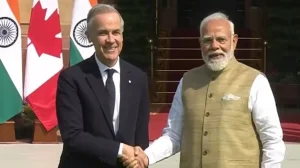
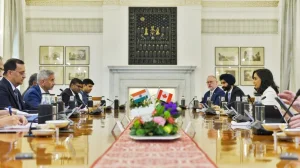
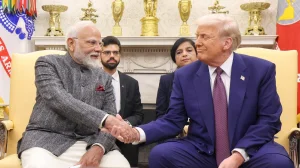
During a joint press conference, Putin said Kudankulam is a very important project and he promised to get it to full power. He stressed Russia’s position as a dependable energy partner for oil, gas, coal, and nuclear power. Narendra Modi, the Prime Minister of India, described the partnership as a “guiding star” for the relationship between the two countries as it has lasted through many difficult periods in world history.
The message is clear. While penalties are meant to limit Russia, and some of Russia’s partners want India to change its approach, the timeline for the nuclear project at Kudankulam is actually speeding up. Long-term fuel deals aren’t quick actions; they show a belief in trust, a continuing relationship, and common strategic goals.
Sanctions insulation and payments plumbing
Even though it’s harder to move money in US dollars, India and Russia have kept important projects going by using each country’s own currency and different ways of making payments. The fact that the fuel for Unit 3 arrived without problems, along with the parts for the other units, shows that these financial systems are working for essential infrastructure.
For India, having a secure energy supply is essential. Providing affordable, dependable electricity to 1.4 billion people requires getting power from a variety of sources and using different technologies. Nuclear power provides a low-carbon foundation to support renewable energy and reduce reliance on the unpredictable market for fossil fuels.
SMRs enter the conversation
In addition to the large reactors, the leaders also discussed small modular reactors (SMRs) which are units up to 300 MW(e) that are made in factories and then shipped to the site to be set up. Rosatom suggested using SMRs to power groups of industries that need a consistent supply of clean electricity, and to serve faraway areas where it would be expensive to extend the existing grid.
Russia points to the Akademik Lomonosov, a floating plant in the Arctic, as proof that SMRs can be used. Both countries agreed to look at making SMR technology in India, which fits with the ‘Make in India’ initiative and will improve the way technology is transferred, as it has in the joint production of military equipment.
Climate goals and the nuclear baseload
India’s goal of reaching Net Zero by t 2070 depends on increasing the amount of consistent nuclear power to support the intermittent nature of renewable energy. Kudankulam’s full 6,000 MW will be a key part of this, helping to smooth out the variations and reduce the need for coal-fired “peak” plants in southern states.
Better fuel, longer operating times, and standardized units can increase the percentage of time the plant is able to produce power, reducing the overall cost of the electricity over the life of the plant. When the cost of carbon emissions, the need to balance the grid, and the savings from not having to shut down for frequent refueling are included, the economic benefits are even greater.
Why the timing matters
The fact that the fuel was delivered at the same time as the leader’s visit shows how much both countries are committed and how capable they are. It shows that the supply chains are working, the engineering teams are working together, and the schedule for getting the plant operating is being met. For a project that began in 1988 and has continued through changes in the global political situation, this momentum is now turning into megawatts of power.
It also sets Kudankulam apart from other foreign-built projects that have been delayed due to disagreements over price or responsibility for accidents. Progress on the ground, not just signing agreements, is what gets electricity onto the grid and gives those in charge confidence.
What to watch next
After Unit 3’s fuel is initially loaded, a series of tests will be done, then “first criticality”, then the power will be increased, and finally it will be connected to the grid. The focus will then turn to Unit 4 and quickly completing the construction and mechanical work on Units 5 and 6, with the aim of speeding up the schedule without making the plant any less safe.
If India goes ahead with a pilot program to use SMRs with Russia’s help, the reduction of carbon in industry will happen more quickly. Replacing coal plants at steel, cement, or aluminum factories with modular nuclear power could sharply reduce emissions and ensure power is available around the clock.
A major nuclear boost with enduring stakes
Russia’s most recent delivery does more than just provide fuel for a reactor; it strengthens a strategic partnership. With Putin promising to get Kudankulam to full power and Modi describing the relationship as strong, India’s biggest nuclear plant is moving from a plan to a fundamental part of the energy supply. The benefit will be measured in reliable, low-carbon electricity for many years to come.