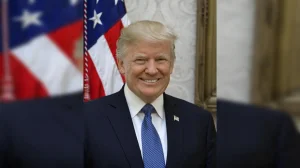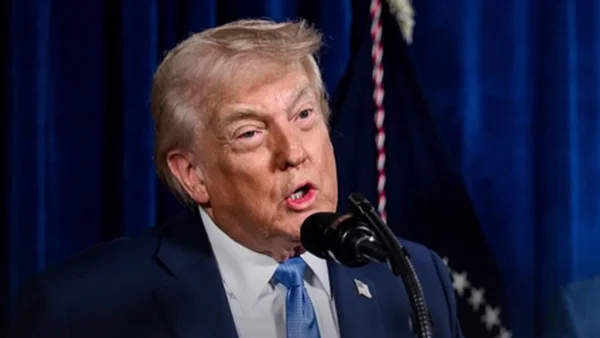
Donald Trump said on Thursday the United States is getting close to ‘winning very soon’ in its actions with Iran, and was very confident in saying Iran has lost a lot of military strength. He said Iran is ‘tough, clever’ but their ability to operate at sea has been significantly reduced. He made these statements during a time of a lot of tension in the region, both with discussions and security.
President Trump’s timeline and confidence in outcome
Trump says the recent actions the U.S. has taken are going well and have a clear plan, and he stated, ‘we’ve been involved for two months, and you know what? We’re going to win very soon.’ He said he thinks the talks for a ceasefire will soon produce an agreement and that another round of talks might happen over the weekend.
He made it very clear that the main goal for the U.S. is still to stop Iran from getting nuclear weapons. Trump believes that if the negotiations continue to go well, the ceasefire may not need to be extended, but if ‘there isn’t an agreement, the fighting will start again,’ directly connecting the outcome of the talks with the chance of fighting.
Claims about Iran’s navy and maritime security concerns
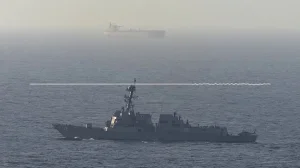
Trump stated Iran ‘doesn’t have a navy anymore’ and claimed ‘158 ships are at the bottom of the sea.’ This surprising number is the main reason for his claim that Iran’s ability to use ships has been seriously harmed by the U.S., and he says this shows the U.S. has been successful and is helping to make the seas safer.
These claims directly affect commercial ships and how stable the region is. Many countries are focused on the security of ships in important routes in the Gulf and Red Sea. If Iran lost a large number of ships, this would change the balance of power in the area and could cause things to get worse unless the losses are checked and discussed diplomatically.
References to Gholamreza Soleimani and past operations
Trump mentioned Gholamreza Soleimani, who he said is the leader of the Basij paramilitary group, and said ‘we eliminated him’ and called him ‘one of the worst terrorists.’ Trump connected past attacks on people working for the U.S. and American soldiers who were hurt to Soleimani, and used these accusations to explain why the U.S. attacked before.
These references show that how the U.S. targets people and removes leaders is part of the government’s method of putting pressure on Iran and stopping them from doing things. At the same time, saying who is responsible for injuries and deaths in battle is a sensitive political issue and can affect how the public views military actions.
Ongoing negotiations and the diplomatic track
Despite his strong words, Trump is hopeful about the progress in talks with Iran, saying 'Iran wants to make an agreement‘ and the talks are ‘going very well.’ He thinks discussions and military pressure go together, and preventing Iran from obtaining nuclear weapons is the most important thing.
The next few days will decide if the current ceasefire will become a longer lasting deal. If the negotiations fall apart, the President warned that fighting could start again, which would be expensive for countries in the area and for the world’s economies.
Implications for policy and international stakeholders
The government is publicly threatening Iran and privately negotiating with them at the same time, using both pressure and diplomacy. For people who make policy, checking the claims about Iran’s losses and really understanding how strong Iran’s military is will be vital for making careful decisions and keeping allies.
Countries around the world and businesses involved in shipping will watch what happens with the safety of ships and how the ceasefire talks are going. Getting correct information, careful diplomacy, and being prepared for all possible outcomes are still the most important things for avoiding problems that weren’t intended, while still trying to stop the spread of nuclear weapons and keep the region stable.