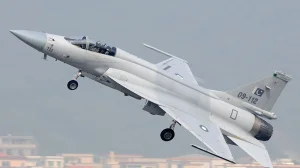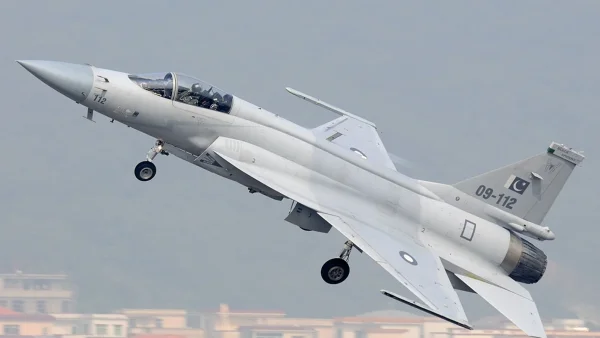
Pakistan has placed both fighter and support planes at King Abdulaziz Air Base in Saudi Arabia, as agreed upon in the Joint Strategic Defence Agreement from September 2025. Saudi Arabia’s Defence Ministry has confirmed this; the goal is to strengthen how the two allies’ militaries work together, and to make them more prepared. This happens while Pakistan is the location for important ceasefire discussions between the United States and Iran in Islamabad.
Deployment Overview
Officials in Saudi Arabia have said that a Pakistani military group has arrived at the air base in the east. This group includes Pakistan Air Force fighter planes and planes that support them. They say the goals are improved joint military work, increased readiness, and stronger security for the area.
Pictures and reports that track Pakistani planes in Saudi Arabian airspace appeared on the internet, which grabbed people’s attention and caused them to wonder what was going on. Saudi authorities are saying this arrival is a way of practicing being ready, based on the defence agreement the two countries have. Pakistan itself hasn’t made any official statement to the public other than the agreement itself.
Terms of the Defence Pact
The agreement from September 2025 creates a situation where if one country is attacked, both are. It makes official a security partnership that has existed for a long time, including training, advice, and giving each other military equipment. It also lays out how they will send troops together and have joint exercises.
But this partnership isn’t just about the military; it also includes working together on the economy and generally in terms of strategy. Saudi Arabia has given Islamabad financial help and energy deals in the past to help with economic problems. So, this defence agreement is part of a larger relationship with security promises, economic assistance, and similar approaches to diplomacy.
Military Composition and Operations
What we know suggests the Pakistani group includes the main fighter planes, and also planes to help them in the air (for refueling) and with getting supplies where they need to be. An IL-78MP tanker plane for refueling was seen over Saudi Arabia earlier and is now part of this operation. Planes that can refuel in the air and provide support increase how far the fighter planes can fly and how long they can stay up, and it shows that they are planning for a long time working together.
Having planes at King Abdulaziz Air Base will help them command and control things as a team, integrate their air defenses, and respond quickly. For Saudi Arabia, having partner country planes there discourages others from attacking. For Pakistan, it’s a test of how well they can work with others, and a clear sign they’re committed to the defence guarantee they’ve made.
Timing During US-Iran Ceasefire Talks
The timing of this is important because it is happening as Islamabad is hosting the US-Iran ceasefire talks, which are meant to calm down a very unstable region. These talks bring high level people from Washington and Tehran together for the first real set of discussions during a shaky two week period of peace. When and what will be discussed in the talks is still changing.
When things like this happen, countries in the region often see military movements as messages about the diplomatic situation. Some people who watch these things warn that this movement of planes could make the negotiations harder by changing how strong each side seems, or by worrying Tehran. Others believe this just makes clear how Saudi Arabia and Pakistan will defend each other, and won’t stop the talks.
Regional and Diplomatic Implications
In terms of strategy, sending the planes to Saudi Arabia shows Saudi Arabia and Pakistan are on the same side and are leaning toward stopping things by having a strong military presence in the Gulf. It also makes you wonder how Pakistan will manage being the place for mediation (the talks) and also fulfilling its military promise to its ally. Islamabad is in a difficult position: it needs to protect Saudi Arabia, but also appear neutral so it can help with the talks.
Iran might be suspicious of this and could use it to get more from the ceasefire talks, or to be able to do something similar. It could also affect the wider situation in the region, including how other Gulf states react and how militaries position themselves.
For those in power making decisions, the big question is whether military actions and diplomatic efforts can happen at the same time without increasing tensions. Joint defence actions can reassure allies, but being open about what’s happening and talking to others will be essential to avoid misunderstandings that could ruin the ceasefire talks and the stability of the region.