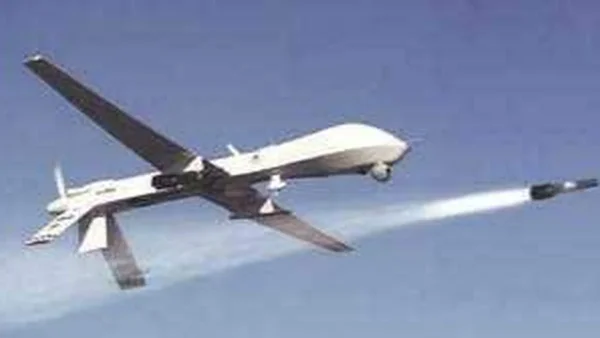
You could say Iran’s latest move has ruffled the feathers of a tenuous calm we were starting to see with the new understanding between the two nations. According to those in the know, a number of drones were sent in the direction of some merchant vessels in the strait over the weekend, only for the US to intercept them in time to avert any harm.
The incident and immediate response
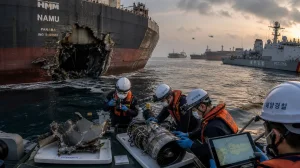
US officials have the Islamic Revolutionary Guard Corps down as the ones who made the launches on Wednesday in the vicinity of the waterway. They were neutralized before they could be a problem for any commercial or American military interests. In the wake of it, the US military is in talks with shipping firms to back up their vessels as they make their way through.
Here are the four steps officials have put in place so far:
– We put an end to the Iranian drones in the area of the strait
– More of a hand-in-glove approach with the operators in commercial shipping
– A watchful eye on the corridor and its periphery
– Making sure US assets in the region are well-protected
Why this matters for global trade
It is a reminder that you can have a breakthrough to put an end to hostilities and yet the undercurrents of tension are still there. The Strait of Hormuz is too vital a route for there not to be worldwide economic consequences if things get even a little out of hand.
An intelligence report from Wednesday puts it this way: since the war, Iran has the means to close off the strait whenever it wants. And while there is a framework to be put to paper on Friday, the assessment is that Iran can still make an impact on the economy through that waterway if it sees fit.
Growing leverage and regional reach
If you ask some of the sources, Iran has in a way become our Achilles heel by figuring out how to make a point of striking at the energy infrastructure of Gulf states. On top of that, they’ve made inroads on US bases in the neighbourhood, chipping away at what was supposed to be a guarantee of security.
The deal, disclosure, and the timeline ahead
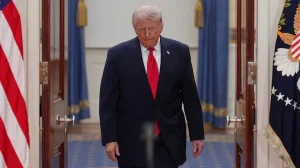
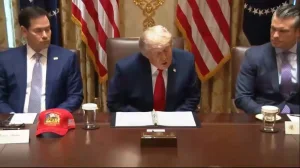
All of this has happened in the days following a memorandum of understanding between Washington and Tehran on Sunday, with the idea of cooling things off in the Persian Gulf. The President put his signature on it electronically, but you won’t find the whole thing in the public domain just yet.
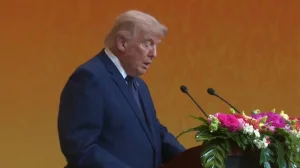
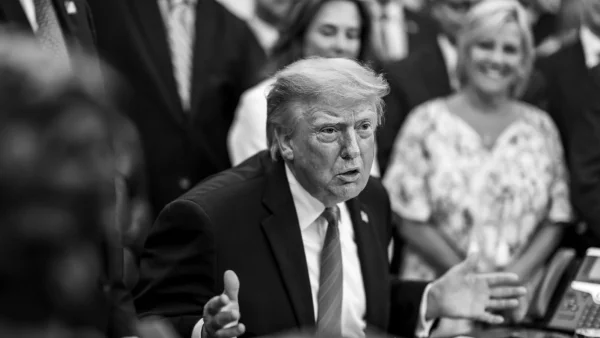
Donald Trump has been saying he’ll put the text out there in a day or two, maybe even read it all out. For now, he’s biding his time for a proper occasion. “It’s a great document,” he says.
He was clear on the bottom line: “Here’s what it says: Iran will never have a nuclear weapon.” We’re looking for a framework to be signed come Friday, but as for how it will be enforced, neither side has put any details on the table.
What to watch next
There is a bit of a holding pattern for the maritime and insurance types, as well as the energy traders. The understanding with Iran was to take the risk out of the equation, but these drone runs show we haven’t really seen how the deterrence holds up in practice.
We’ll be watching a few things in the short term. Can we see commercial traffic get by without a hitch? What comes of the US military's work with the shippers? And will the President deliver on his word to release the agreement? The answer to whether this deal does what it’s supposed to in the strait will be in the coming days.