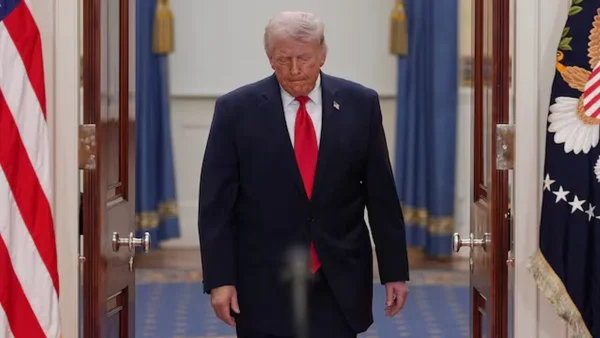
President Trump has very publicly attacked Iran again on social media (his account is called Truth Social) and, as US representatives, including Vance, and Iranian officials are meeting separately in Islamabad because Pakistan arranged it. This shows how different what’s being said to the public is from the quiet discussions going on during this two-week ceasefire.
Trump’s online broadside as talks proceed
Trump used his social media account to say Iran is “losing badly,” listing destroyed military equipment and leaders who have been killed. He said people are downplaying America’s successes and criticized the news media for being unfair.
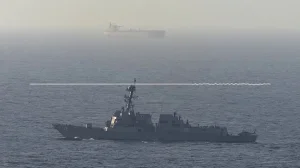
He also said many empty oil tankers from different countries are going to the United States to fill up with good quality oil. Trump stated the US is “beginning to get the Strait of Hormuz sorted out,” presenting the US as taking over the securing of this important route for ships.
His social media post mixed statements about military strategy with political attacks, continuing to make the US appear strong even though negotiators are having separate talks with Pakistan.
Vance-led US delegation and parallel talks in Islamabad
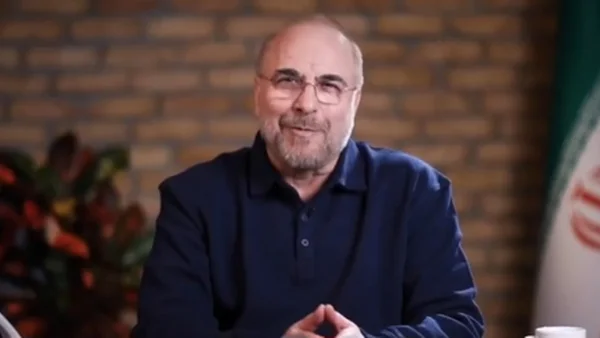
A top group of US officials, led by Vice President Vance, had meetings in Islamabad while Iranian officials were meeting with Pakistan’s leaders separately. Mohammad Bagher Qalibaf, who heads the Iranian Parliament, led the Iranian group; Pakistan is trying to act as a middleman to continue the fragile ceasefire.
There hasn’t been any public announcement of official, direct talks between Washington and Tehran. Instead, both groups are meeting with Pakistani officials in turns, showing they’re attempting to keep communication open without having to immediately have the US and Iran talk to each other.
Pakistan's role as the host and mediator shows how much they want things to be stable in the region, and that they are able to get parties who normally don’t get along to meet.
Ceasefire dynamics and on-the-ground tensions
These talks are happening during a two-week ceasefire that Pakistan helped create, but things are still very unstable. There have been reports of attacks and fighting across the border, which makes it harder to have a long-lasting stop to the fighting.
All the leaders involved have said that progress in talks depends on other groups stopping their attacks, and Iran has said they will make certain compromises if Israel stops their military actions in nearby countries. The conflict has had a terrible effect on people, with thousands of deaths reported in Iran, Lebanon, Israel, and countries in the Persian Gulf.
These facts mean negotiators only have a small window of time to work with, and they put a lot of pressure on the mediators to turn the terms of the ceasefire into things that can be checked and confirmed.
Implications for the Strait of Hormuz and global energy markets
Problems in the Strait of Hormuz have caused prices to go up and have made it harder to rely on the supply of oil around the world. Trump’s claim that the US will “clear out” the strait makes the US look like it is actively providing security for the countries that both export and import a lot of energy.
The idea that empty tankers are being diverted to the US shows they are trying to find other sources of oil and control how much the price changes. Whether or not a lot of these tankers actually change course, saying this is meant to calm down markets at home and abroad and show that there are plans in place. and the willingness of other powers to coordinate maritime security operations.
How the market reacts will depend on how safe things are on the ground, whether ports can be used,
Diplomatic outlook and potential risks
While keeping communication open and stopping things from getting worse quickly is good, having separate conversations and public statements that don’t match what’s being negotiated is risky. Trump's aggressive posts online could make the quiet, behind-the-scenes negotiations harder by increasing distrust or making each side more firm in their positions.
To have mediation continue, there needs to be clear, confirmed actions to reduce the violence, protect people who aren’t involved in the fighting, and protect the shipping routes. Countries in the region and around the world now have to decide: will they increase involvement to make energy supplies more stable and rebuild trust, or will instability decide how things will be in the long run regarding security and the market?
Right now, how things are being said publicly in a pointed way and the quiet diplomacy happening will decide if the ceasefire turns into a lasting lessening of conflict or just a short break before fighting starts up again.