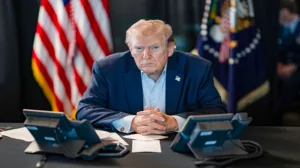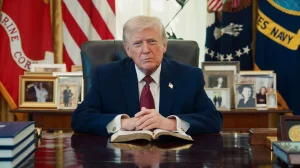
From the trading floor to Indian living rooms and out on the water with the shippers, everyone is looking to Washington tonight. The fate of a 60-day extension and a framework for nuclear talks is in the hands of Donald Trump. If he signs off on the draft, it should mean the Strait of Hormuz is open for business and we can put some of the crisis that has ratcheted up prices and put a strain on supply behind us.
Why the 60-day plan matters now
You only have to look at what happened in late February. The hostilities that broke out then were described by the IEA as the ‘largest supply disruption in the history of the global oil market’. Brent crude went up more than 60% in a matter of days, even if only for a while, and topped $120 a barrel once the flow of traffic through the Strait ground to a halt.
India has felt the brunt of it. As the third-biggest oil taker in the world, about half of its crude is from West Asia and 30 per cent of that is channeled through the Strait. We’ve seen fuel price caps give way – petrol and diesel have been hiked no less than four times in a fortnight. Moody’s has already downed India’s GDP outlook by 0.8 points to 6%.
What negotiators put on the table
What the new memorandum puts forward is a way to steady the shipping lanes, blunt the price impact and keep things from getting any worse, all while making room to talk about Iran’s nuclear file and the tangle of sanctions that go with it.
Awaiting the US president’s decision
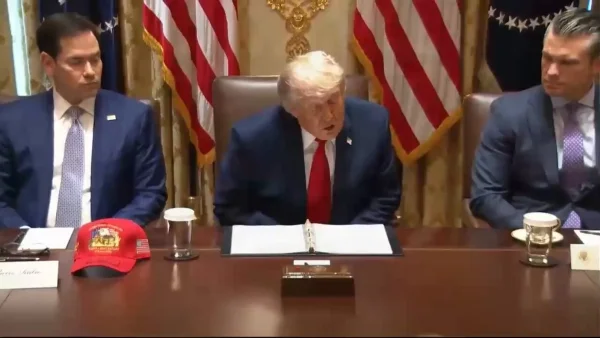
According to those in the know, the president was made aware of the terms by Tuesday and most of them were in order. ‘The president told the mediators he wants to have a few days to mull it over,’ one official put it. The administration has been tight-lipped on the specifics.
Those who have been part of the discussions say the Iranians have let on they have the sign-off needed to put pen to paper, if you will, though Tehran won’t say so in public. For now, it’s up to Washington to make a call, with no end in sight to the friction on other fronts.
Then there is the fact that Trump has made his displeasure with the process known and insisted we aren’t in a position to talk about lifting sanctions. That is hard to square with what is in the draft, which is supposed to be putting both the sanctions and any frozen assets on the table.
For starters, there is a 60-day period to put the conflict on ice and get some proper talks under way.
US officials put it this way: the heart of the matter is a set of commitments and a clear order of operations.
The thinking is to put the maritime security pieces in place first so trade can pick up, then open up room to deal with the nuclear and economic thorns that have derailed diplomacy before.
Strait of Hormuz at the core
You can’t overstate the importance of the shipping guarantees. The Strait is still the only way out for oil and LNG from the likes of Saudi Arabia, Iraq, the UAE and Kuwait. From what we’re hearing, the draft makes the US de-escalate at sea in step with the return of commercial traffic, in an effort to earn some trust with moves you can see for yourself.
For economies that have to import, there’s no in-between when it comes to flow. It’s the difference between refiners having to put up with high war premiums or being able to book a cargo with some certainty; for governments, it means the difference between an inflationary jolt and a little fiscal leeway.
Ceasefire under fire: clashes test diplomacy
Even with the ceasefire in place, the shooting hasn’t entirely stopped. American forces say they put an end to an Iranian drone run near Bandar Abbas, downing five of them and a control station in the process.
Iran’s Revolutionary Guard has been at it in return, claiming to have made a move on a US base in Kuwait. (Kuwait has since put the record straight: they shot down a ballistic missile heading their way.) A US man in the know called the response “measured” and “purely defensive.”
But don’t let that lull you. Iranian outlets have put out word that another provocation will be met with something more forceful. It shows just how thin the ice is and how one wrong move could scuttle the 60-day plan.
What approval could unlock next
Assuming the White House gives the nod, you’ll see formal nuclear talks come back to the table in the next 60 days as things cool off at sea. They’ll be looking at the highly enriched uranium, the reach of the enrichment program, and how to sort out the sanctions and the money on the side.
For the shippers and the market, the early results would be plain to see: no more mines after 30 days and lanes that are your own. For an importer like India, that’s some relief on fuel and inflation, even if the nitty-gritty of the nuclear file is still being worked out.
The stakes
If the plan doesn’t get the green light, you have to worry that what’s happening on the ground will overshadow the talking points. With supply lines tight and prices where they are, every week of not knowing is a cost to the consumer and the treasury in Asia, Europe and everywhere in between.
Make no mistake, this isn’t a done deal or a final accord. It’s a stopgap to lower the temperature, put a waterway in order and get some conversation going on issues that have been left to fester. It all comes down to a call in Washington and whether the fighting can be reined in long enough for us to sit down and talk.