Iran has said very clearly that they did not take part in Pakistan’s efforts to get the US and Iran to talk and calm down the widening conflict in the Middle East. They insist they have not spoken directly to the United States and deny being involved in any conversations set up by Pakistan, which hurts Pakistan’s attempt to be a key middleman.
Iran’s official denial and messaging
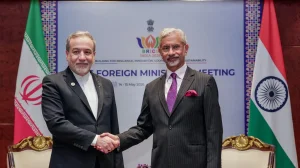
Iran’s Foreign Ministry, through its office in Mumbai, very directly said Iran is not connected to Pakistan’s attempts to get things going. They haven’s had any direct discussions with the United States and deny having anything to do with the talks Pakistan said it was holding.
Iran also said that Washington asked for “way too much and for unreasonable things” through other people. They added that the talks Pakistan mentioned were “their own thing” and repeated, “We weren’t involved.” This shows Iran is careful about letting other countries try to mediate.
Pakistan’s mediation claim and diplomatic moves
Pakistan had offered to host and help Iran and the US have serious discussions, and high-ranking officials said both sides had faith in Pakistan’s ability to help. The Foreign Minister said Pakistan is prepared to help calm the situation down with conversation.
Important diplomats from Turkey, Saudi Arabia and Egypt came to Islamabad for related discussions, but Pakistan later said they’d gone home, and more talks would happen later. Iran’s denial makes you wonder if Pakistan exaggerated how well things were going or misunderstood what Iran and the US were saying.
Military escalation and regional consequences
Even as diplomats are trying to make progress, fighting continues. Attacks by the US and Israel on things linked to Iran, and Iran's responses, have kept the conflict unstable and have increased the number of people being killed and injured in the weeks since the first attacks.
This instability is causing problems for the economy. Because Iran is near the Strait of Hormuz (a very important path for oil tankers), energy markets are nervous. Roughly 20% of the world’s oil goes through this waterway. The ups and downs of the market make quickly calming things down even more urgent, because if the flow of oil is stopped, gas prices around the world could be affected.
Credibility, risk, and the limits of mediation claims
Pakistan’s effort to position itself as a mediator is now looking less reliable, as one of the main sides in the argument has specifically said they weren’t taking part. Mediators need trust and clear permission from the sides that are fighting; when they publicly disagree, it makes secret negotiations harder and gives the mediator less power.
Saying you are helping with talks when the parties involved haven’t confirmed it also creates political risks both at home and in other countries. If Islamabad keeps saying things are improving without proof, it will be more difficult to get people to meet for talks in the future, or for other countries in the region who are trying to resolve the conflict to trust them.
Paths forward for de-escalation and diplomacy
Actually calming things down will probably require quiet, secret lines of communication, promises that can be checked, and maybe several outside mediators who both sides will accept. Turkey, Saudi Arabia and Egypt, and other countries in the area may keep being involved, but things will only work if both sides agree and slowly start to trust each other.
The economic difficulties and the possibility of even more fighting should push all parties to be sensible and use diplomacy. Being open and honest about who is talking, and what proposals are being made, will be important for building faith in the mediation process and for lessening the political consequences of initiatives that don’t succeed.
In the near future, Pakistan will have to be realistic about how much power it has alongside its goals for diplomacy. More broadly, the difference between what is being said publicly and what is actually happening in negotiations shows how easily peace attempts can fall apart when the sides in a conflict openly contradict each other while fighting is going on.