Iran won’t accept a short break in the fighting, and are instead pushing for all hostilities to stop throughout the whole of the region. Saeed Khatibzadeh, the Deputy Foreign Minister, told reporters at the Antalya Diplomacy Forum that any stop to the fighting must go “from Lebanon to the Red Sea,” and said this area is a definite “red line” for Tehran.
Iran’s position at the Antalya forum
Khatibzadeh explained that Tehran won’t agree to a temporary ceasefire because these short pauses just make the instability last longer. He said the current round of violence needs to “end here once and for all,” and presented Iran’s demand as a call for a lasting solution for the entire region, not just short, specific pauses in fighting in certain places.
The Deputy Minister connected his objection to a pause in fighting with the ideas of a country’s independence and security. He made these comments to influence how diplomatic talks happen, making it clear that Tehran expects any agreement to include all the active battle areas, not just small fights or agreements between neighboring countries.
Maritime security and the Strait of Hormuz
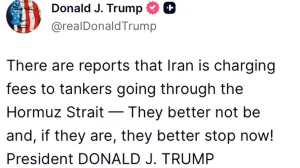
Khatibzadeh also talked about worries regarding the Strait of Hormuz, pointing out that it has remained open for ships even when there’s been tension. He admitted the waterway is within Iran’s territory, but emphasized that international ships have always been able to use it without interruption.
This assurance was meant to calm fears that shipping routes would be seriously disrupted. But, along with that, he gave a more general warning that if instability in the region isn’t stopped, it could cause problems for the world’s trade that goes through the Red Sea and the Gulf.
Economic consequences and disrupted trade flows
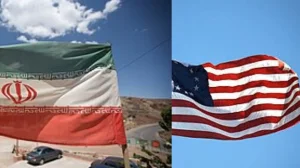
Iran has directly blamed the United States and Israel for making the region more unstable and hurting world trade. The Deputy Minister said their actions have put pressure on the economy as a whole, and are causing trouble for shipping, energy prices, and how much people trust investing in the region.
Problems in important areas like the Red Sea and the Strait of Hormuz would make shipping insurance more expensive and force cargo to go a different way, which could raise the cost of shipping things and affect the price of goods all over the world. People in government keep a close eye on these changes because they affect how things are made, how much we pay for imports, and how secure our energy supply is.
On-the-ground reaction to a localized truce
After a recent truce announcement in Lebanon, things went back to normal quickly, showing that short pauses in fighting in a particular area can give people real, immediate help. However, Tehran’s position makes it harder to reach lots of separate agreements, as they are looking for a total stop to fighting across many areas of conflict.
This significant difference in opinion shows a problem for diplomats: people involved on the ground and those mediating may find short truces helpful to reduce conflict, but bigger countries in the region want much larger, more lasting solutions. This difference could slow down progress towards lasting peace and make it more difficult to negotiate with everyone involved.
Diplomatic pathways and potential scenarios
Iran’s demand for a complete end to conflict throughout the region sets a high standard for those doing the negotiating. One possibility is a series of agreements that happen at the same time and are connected across all the fighting fronts, tying local ceasefires to a larger political plan. Or, smaller agreements could continue, giving temporary relief but not solving the basic issues.
Countries around the world are having to weigh the benefits of getting an immediate pause in fighting for humanitarian reasons against the goal of finding a complete solution that addresses the underlying problems. Discussions at diplomatic meetings are now about whether all sides can achieve both of these things without making the situation even worse.
Security and economic stakes going forward
A lot is at stake: security dangers and economic problems are connected, and any long-term interruption could have widespread effects on the world’s financial markets. Diplomacy needs to be both urgent and realistic, finding a way to provide quick help while also creating ways to make the entire region more stable.