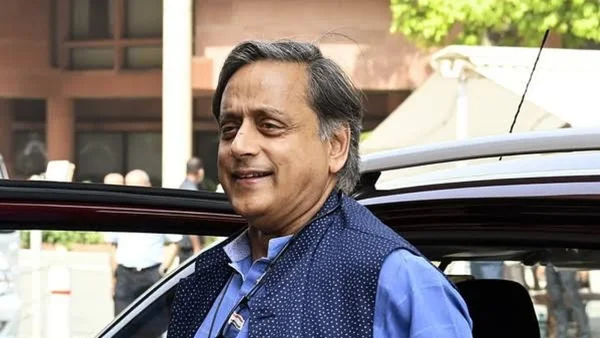
Shashi Tharoor, who is a member of the Indian parliament, has said very clearly that the Indian government should actively be the first to ask for the fighting in Western Asia to stop immediately. He says the fighting is causing trouble for the world’ ands energy and trade, and neither side is actually getting further ahead, while the whole world is suffering.
Tharoor’s call for Indian leadership
Tharoor says he’s asked the government many times to push for a ceasefire and use diplomacy to make the fighting stop. He believes both sides have got what they originally wanted and should now choose to lessen the conflict, instead of continuing to fight.
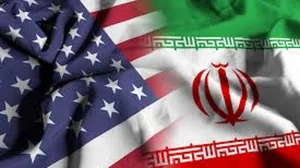
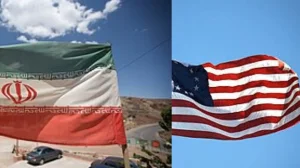
The MP pointed out that the United States says it has hit its military goals, and the leaders in Iran have secured their government and ability to withstand attacks. Tharoor thinks these results are enough for both of them to pause and try to negotiate a finish to the conflict.
Global energy and supply chain impacts
The fighting is causing big problems for the flow of oil and gas, especially through the Strait of Hormuz. This waterway is extremely important for the world’s energy trade. Tharoor explained that these problems cause the price of energy to go up and make the world’s financial markets unstable.
When energy costs more, it affects making things in factories, getting things around, and the price of food, increasing inflation in many countries. Tharoor warned that keeping the whole area in a state of conflict is stopping the world from recovering and is harming the jobs and lives of millions who need a dependable supply of energy.
Regional dynamics and achieved objectives
This current wave of violence started on February 28th with the killing of Iran's top leader, and has continued with both sides attacking each other. Several countries are now involved and military and civilian facilities throughout the region have been targeted.
Tharoor thinks the US and Iran have both achieved what they were aiming for strategically and should think about the larger cost of going on with the fight. He says continuing the conflict at this point doesn’t really help either of them and makes the situation in the region even more unstable.
India’s immediate energy concerns and shipments
India is already experiencing the effect on supplies of liquefied petroleum gas (LPG) and generally on how safe the country’s energy is. Because of shortages, businesses providing services have had to reduce what they do and people in government are carefully watching where oil tankers are going to be sure the country has enough fuel.
Recently, shipments have continued: a ship carrying LPG, called Nanda Devi, arrived at Vadinar after going through the Strait of Hormuz, and another ship, LPG Shivalik, got to Mudra Port with supplies for Mundra and Mangalore. These arrivals show that shipping routes are both easily broken and yet also able to continue working.
Policy implications and diplomatic options for New Delhi
Tharoor wants New Delhi (the Indian government) to take the lead in diplomacy by publicly demanding a ceasefire and working with many countries. India could use its position in energy deals, talk to countries in the region, and use international meetings to push for quick help for people and the economy.
An Indian effort that continues for a long time would likely focus on stability, the ability to move freely along shipping routes, and protecting trade routes. By speaking out for the fighting to end, New Delhi could help reduce the increase in energy prices and protect India’s own economic interests.
The MP also mentioned that Iranian officials in India understand India’s need for energy, and that there is potential to have a discussion. Tharoor thinks this is a chance for reasonable and practical diplomacy, balancing what’s strategically important with concern for people.
Countries involved are now faced with either increasing the conflict or reducing it through negotiation. Tharoor says the expense for normal people all over the world is becoming very large and that doing something diplomatic and with decision now could stop even more damage to the economy.
When asking for India to have a strong role, Tharoor said there are both moral and sensible reasons. He said ending the conflict would make things easier for people who are suffering, would stabilize energy prices, and would allow attention to turn to rebuilding and working together in the long term in the area.