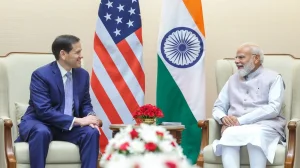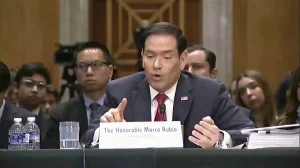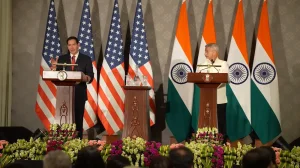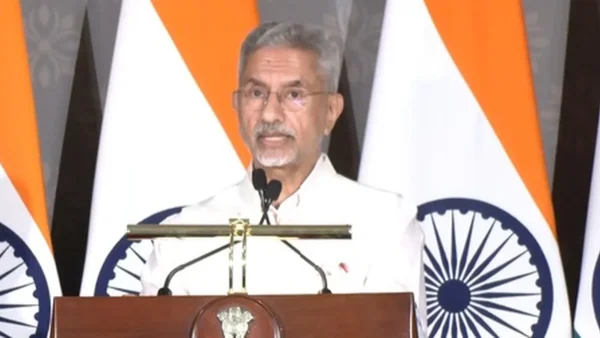
There is no mistaking the unease over these hurdles. Telling his American counterpart as much, Jaishankar was blunt: if you’re going to have a hard line on borders, don’t let the law-abiding Indian be the one who pays for it. Rubio’s answer was that what you see with the H-1B, F1 and J1 is a modernisation of the system, not an attempt to single out India.
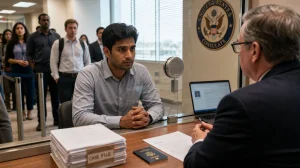
Indian concerns centre on legal mobility
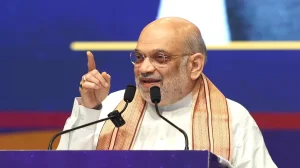
It was a point Jaishankar made during the talks in New Delhi. He has been hearing from people on the ground about the delays and red tape that are making life hard for genuine visitors. India is on board with Washington when it comes to stopping illegal migration, but he expects that those with their papers in order shouldn’t be made to suffer for it.
You can see where he is coming from. There is a lot of that kind of feeling among the students, professionals and business folk who have had to make sense of some moving goalposts of late. The minister put it in simple terms: we will work with you to put a stop to the illegals, but you have to leave the door open for the rest of us.
A global overhaul, not India-specific, says Rubio
Rubio didn’t mince words about the value of the Indian presence in the US, with its $20 billion in company investments. But he was firm that the rules being put in place now are part of a new standard being applied the world over.
He put it down to a need to get in front of a migratory crisis and put things right for the national good. With 20 million or so having come in over the last few years without permission, he said, there is a case for a fresh approach to immigration.
Still, he called the US one of the most open places you can be, with close to a million new permanent residents a year. He even brought up his own story – his parents came here in ’56 as permanent residents – to make the point that any system has to evolve with the times.
What Indian applicants should read into this moment
If you listen to both of them, you can expect some teething trouble in the near term as the new way of doing things takes hold. Rubio was upfront: any time you make a big change, there are going to be hiccups. But the end game is a system that works better and is fair to everyone.
He has also said in public that he is all for more Indian money in the US and that these moves are not aimed at your country. Between that and Jaishankar’s stance, you can count on a few fixes here and there, but don’t look for a quick fix.
Here is how they put it:
– We in India will go after illegal migration with you, but our legal mobility must be left alone.
– On the H-1B, F1 and J1, this is a worldwide matter, says Washington.
– Some friction is to be expected before the new system runs smooth.
– We know and appreciate the $20 billion you have put in.
So for the students and the companies, plan for some changes in procedure. The US is putting national interest first, which means you may be looked at a little closer, even as we stay tied up in business.
Talks framed by a deeper strategic partnership
All of this was part of a larger reset between the two governments, under the banner of a Comprehensive Global Strategic Partnership. Whether it’s defence, tech or trade, the leaders see mobility as the oil that makes it run.
Rubio made a point of the political side of it. We are not just allies, he said, we are strategic ones. His time in India, from New Delhi to a stop in Kolkata to see the Missionaries of Charity, was meant to show the full scope of the relationship.
New Delhi can’t afford to let the flow of talent and commerce slow down; it’s the basis of its edge in services and tech. For Washington, it is a matter of walking the line between a reformed border and the steady stream of high-skill workers they want to keep coming in.
With Jaishankar calling for protection of the legal route and Rubio vowing his reforms are for everyone, it comes down to how they put it into practice. The question now is whether the friction will subside and if the efficiency they talk about is something you will actually feel.