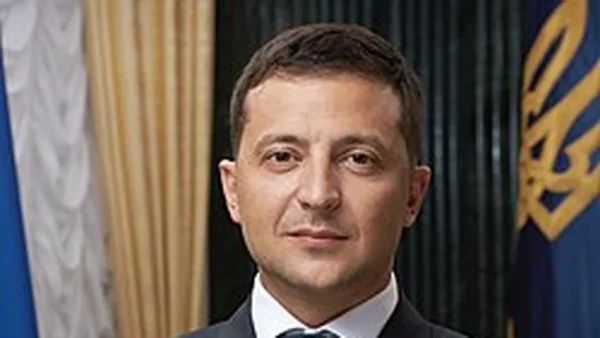
The country is steeled for what could be a new chapter in the war. Volodymyr Zelenskyy has made it clear he believes Russia is setting up a strike with the Oreshnik. He’s been in touch with Ukrainian, US and European intel, and his read is that a combined effort could hit several areas, with Kyiv in the crosshairs and a lot at stake for the people and infrastructure there.
Why this one stands out
According to Zelenskyy, his people have seen the makings of an attack that will see more than one kind of weapon, including some with intermediate range. His message to allies is to do something before any of it is launched, not after.
He put it in a public statement: the Americans and Europeans have given him some numbers to work with, and Kyiv is in the process of running its own checks on them.
This is what Kyiv is making sure its allies are aware of:
– We are seeing the pieces of a combined strike on our soil, Kyiv included
– There is a chance they will bring in intermediate-range systems
– We are still confirming the intelligence
Some context: a disputed event and the talk of payback
You have to look at what came before. Putin has told his military to get ready for some form of retribution. The order was put in place after a drone hit a student dorm in the Luhansk region, which is under Russian control in the east.
Ukraine’s side of the story is that they had nothing to do with the dormitory. And while you won’t hear the president link the two directly, his warning of a coming assault is hard to separate from that incident.
What we know about the Oreshnik
We’ve seen the Oreshnik in action twice already. Back in November 2024, Moscow let one fly at a so-called military plant. But if you ask some in Ukraine, they’ll tell you it was all for show – the warhead was a dummy and the damage was minimal.
Then in January 2026, one made land in the Lviv area in the west. Putin has been quick to point out you can’t stop it; he says it does over 10 times the speed of sound.
If that holds up in the field, it doesn’t leave much time for a response and puts a premium on your air defences. With the latest word from Kyiv, it seems they are assuming the worst if Russia decides to use a few of these in unison.
How the rest of the world is taking it
Zelenskyy has made his case to the US and in Europe: let this happen and you set a standard for anyone else with aggressive designs. It’s a matter of showing you can put a stop to it before it gets going.
Not long ago, the heads of state in Britain, France and Germany called the Oreshnik’s use in the west “unacceptable”. You can read into that as a sign of their discomfort with Russia’s reach into the far corners of Ukraine.
Where do we go from here
For the time being, Kyiv is double-checking its sources and keeping an eye on the horizon. The push for a head-on response is a way to put some diplomatic heat on Moscow and keep the war from spreading.
Zelenskyy has also made the point that if you make a habit of using these kinds of weapons, you erode the rules of the road. It’s a risk he sees as having implications well outside of Ukraine.
The bottom line
It comes down to whether the allies can put enough of a damper on a strike that may include the Oreshnik. A third time around since last November would only add to the worry that long-range combat is ratcheting up.
Time is of the essence. They are verifying as we speak, but if Russia is moving forward with a plan that involves intermediate-range ordnance and a focus on Kyiv, the opening to act in advance won’t be open for long.