With sea lanes under some pressure from regional tensions, India and Oman have made a point to get their defence coordination in order. You can see it in the latest round of exercises put on by cross-service teams from India for their Omani counterparts. After a bit of a scare at sea, the emphasis has been on making sure the partnership can work together when it counts.
Why security is top of mind
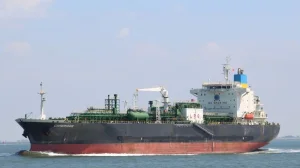
On May 14th, an Indian-flagged ship was hit off the coast of Oman and New Delhi didn’t mince words: it was unacceptable. They made it known they want civilian shipping to be safe. Thanks to some legwork by Omani officials, we were able to confirm every one of our crew is in the clear.
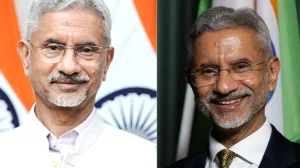
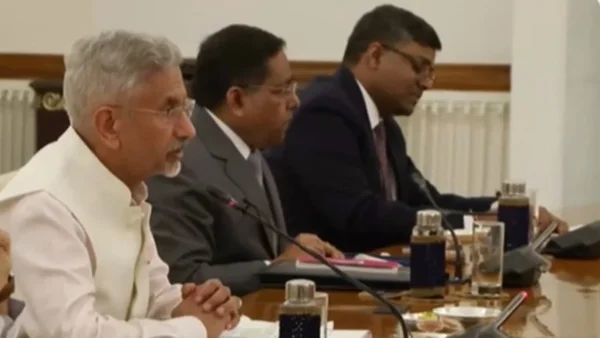
That sort of thing has a way of spilling over into diplomacy. S Jaishankar, our External Affairs Minister, had a word with his Omani counterpart, Sayyid Badr bin Hamad Al Busaidi, on the 18th about what’s going on in West Asia and our bilateral relationship. He was in Oslo for the day with the Prime Minister, but the call was made.
How the training went down
It was a matter of specialists from two Indian Mobile Training Teams working with the Sultan’s Armed Forces of Oman. The whole thing was steered by officers from the Integrated Defence Staff, with the Army, Navy and Air Force on hand to make sure there was no room for error in operational or logistical terms.
You can tell by the numbers. Some 110 or so from the Royal Army, Navy, Air Force and the Ministry of Defence in Oman were part of it. For us, that kind of turn-out is what cements the Strategic Partnership and makes sure we can interoperate without a hitch.
The Integrated Defence Staff put it out on X: 'Strengthening India-Oman defence cooperation. Two Indian Mobile Training Teams (IMTT) comprising officers from HQ IDS and the three Services successfully conducted training for personnel of the Sultan’s Armed Forces (SAF), Oman.’
The reason for the drills
When you can move with some speed and have your land, sea and air components in sync, it makes a difference. In a climate where shipping is being put under a microscope, this is about being ready to act as one, with better lines of communication and less ambiguity between commands.
Here is the run-down from the official side:
– The programmes were in the hands of two Indian Mobile Training Teams.
– Some 110 Omani officers were in attendance.
– We concentrated on being prepared for joint logistics and coordination in the field.
– We had no time for the vessel attack on the 14th of May; called it what it was, ‘unacceptable’.
– Our people are all accounted for and safe.
What they’re saying
Jaishankar was on X to say he had a good talk with FM Al Busaidi. ‘Discussed recent developments in West Asia as well as various aspects of our bilateral cooperation.’ It’s the diplomatic side of things walking in step with what the military is doing.
Then there was Randhir Jaiswal from the MEA, who was blunt about the incident: ‘The attack on an Indian-flagged ship off the coast of Oman yesterday is unacceptable, and we deplore the fact that commercial shipping and civilian mariners continue to be targeted.’ A reminder that we stand for freedom of navigation.
Looking ahead
What you have here is a more hands-on kind of alignment. With the kind of leadership from HQ IDS and Omani units from across the board, both are setting up the kind of routines for joint planning and crisis response that you can build on.
We haven’t put out a schedule, but the writing is on the wall. As long as West Asia is as it is, you can bet that keeping an eye on maritime safety and defence will be a priority. India and Oman are in it for the long haul.
In the end, it’s not complicated: if you can interoperate, you have fewer problems in a pinch. And if your logistics are in order, you don’t have to wait around to respond. This last round of training is just part of that equation, and it goes hand in hand with our diplomatic efforts.