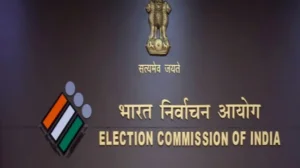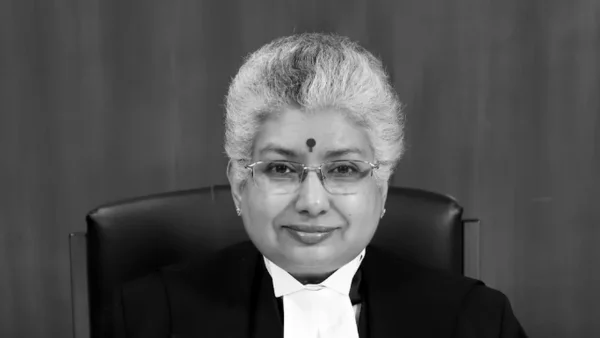
Justice BV Nagarathna said the impartiality of elections is not guaranteed if those running the election are dependent on those in the election. When she gave the Rajendra Prasad Memorial Lecture, she described the Election Commission as vitally important to the fairness of elections and warned that weaknesses in its structure can weaken the ways democracy is meant to keep things in check.
Justice Nagarathna on the Election Commission and neutrality
Back in t995, the courts said the Election Commission is a very important part of the Constitution. Justice Nagarathna said the Commission must remain independent in its structure so that elections are fair and the public continues to trust the results.
She argues that if election administrators are at the mercy of politicians, this is a serious flaw. This flaw undermines fairness in elections and could give control of the political process to those who decide who gets appointed and how money is spent, instead of the voters.
Structural independence and fourth-branch institutions
She thinks we need a broader way of looking at how the Constitution is designed. She says power moves not only through official organizations, but through the way things happen. She calls elections, managing government money and making regulations “fourth branch” activities – they’re essential for a working democracy and need more than just the typical three branches of government to keep them in line.
Looking at history, Justice Nagarathna pointed out that constitutional governments often fall apart when the different parts of government stop limiting each other. Courts and legislatures can still be working, laws can still be passed, but if the system of checks and balances is weakened and oversight fails, power can become essentially unlimited.
Elections as the mechanism of political authority
Elections aren’t just things that happen every so often, Justice Nagarathna insisted; they are how political power is created. When elections are on time and fair, the government can change smoothly and public organizations stay legitimate.
She cautions that being in charge of running elections means being in charge of how the political contest is conducted. If election officials are dependent on politicians, things can be rigged, fairness will be lost and voters will lose faith in the election.
Centre-state relations and separation of powers
She urged the central government to view the states as equal partners, not as being under its control, and to reinforce the federal balance of power. She views the separation of powers as a system of equals, and warns against letting disagreements between political parties undermine the way they work together to govern.
Political figures should put aside their differences when dealing with the relationship between the central government and the states. If the Constitution is going to properly limit power, how things are run shouldn’t depend on which party is in power in the central government or in any particular state.
Policy implications and safeguards for electoral integrity
Making the Election Commission truly independent requires real changes. These could include open ways of selecting people for the job, guaranteed terms of service for those on the Commission, a budget that’s protected from cuts, and a clear freedom from the control of the executive branch.
The courts reviewing things and laws to protect institutions can make them stronger, but lasting protection depends on politicians wanting to do it and all parties agreeing. Also, the media and ordinary citizens watching what’s going on and making sure the Election Commission is open about what it’s doing are important for keeping it accountable and transparent.
Conclusion: Preserving institutional discipline in democracy
Justice Nagarathna’s overall point is that how we design our government is linked to how well our constitutional democracy works. Protecting the Election Commission’s independence and the equal status of the states isn’t just about having fair elections, it’s about the entire system for keeping power from becoming too concentrated.
Those who make policy and the courts share a responsibility: to strengthen the things that limit power, and to ensure elections are free, fair and believable. The fairness of elections relies on institutions that are independent, strong and answerable to the people they are meant to serve.