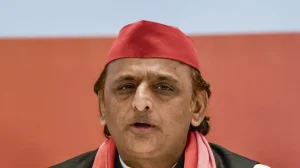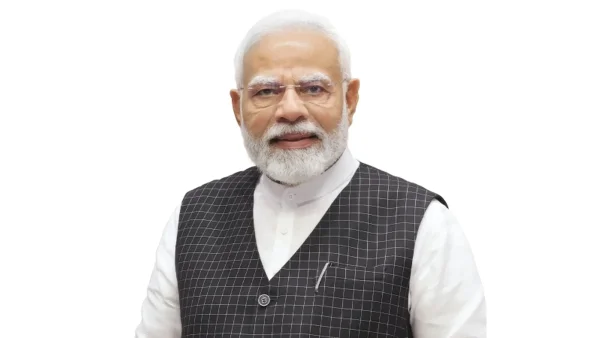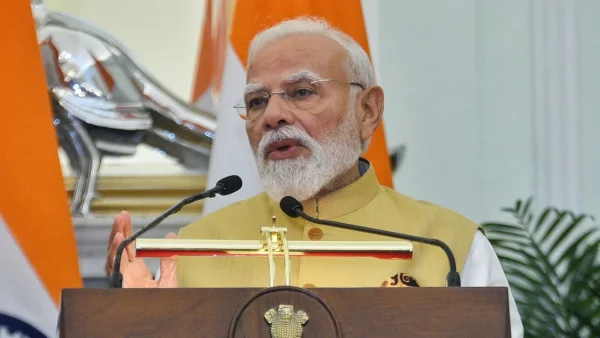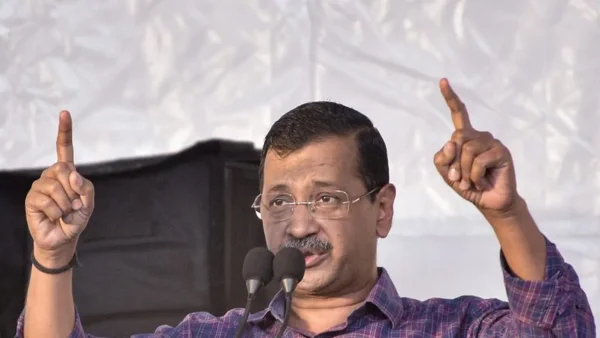
Arvind Kejriwal, the leader of the Aam Aadmi Party, attacked Prime Minister Modi on X (formerly Twitter) claiming an “institutional takeover” and that millions of people have been taken off the voting lists for the West Bengal state assembly election. He asked a direct question on X: What if Modi still loses the West Bengal election, even after taking control of all the important organizations and getting millions of votes removed?
Political context and election timeline
West Bengal will have two rounds of voting on April 23rd and April 29th for its 294 seats in the state assembly and the votes will be counted on May 4th. The campaign has become a very important battle between the party that’s currently in power in the state and the main national opposition party.
There’s been a lot of heated discussion in the state about how well the government is doing, law and order, and if the election is being prepared for properly. Now, these debates include serious claims about the voter lists, if the organizations in charge are being fair, and how the people running the election are behaving.
Kejriwal’s charge and its political resonance
Kejriwal made his post to show how little trust people have in our democratic organizations and to ask if the election will be fair. He wants to increase worries about how much power organizations have before this very closely watched election.
He’s also trying to show his party as being against the strong control of the central government and to show he understands people who are worried about how democracy is supposed to work. It will almost certainly make political arguments more aggressive and will cause the opposing parties to respond.
Voter list revisions and TMC allegations
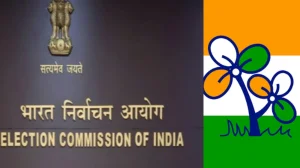
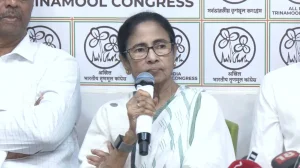
Leaders from the Trinamool Congress accuse the election authorities and the other parties of deleting a huge number of names from the voting lists. They say many names have been removed incorrectly and promise to put any wrongly removed names back on if they win.
TMC leaders are also questioning how and why the names were categorized in the changes to the lists. These claims add to the public’s fears about being able to vote and how accurate the voting lists will be when people go to the polls.
BJP strategy and manifesto promises
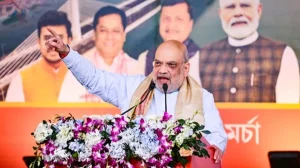
The Bharatiya Janata Party has been working harder than ever to get people to vote for them, promising improvements to the government and better law and order. Important leaders in the party have announced plans that would significantly change the priorities of the state.
The BJP has promised to have a Uniform Civil Code in place within six months of being elected. They also said they would take action against illegal immigration and the illegal trade of cows. The party has also said they would form a group led by a former judge of the Supreme Court to investigate political violence.
Implications for voters and election integrity
As the parties accuse each other, it shows how easily people can lose faith in elections. If people think organizations are biased and that voters are being prevented from voting, fewer people will vote and there will likely be lawsuits after the election.
For voters, all of this makes being open and having someone independent check the process even more important. As West Bengal gets closer to voting and the country watches, political leaders and the people in charge of the election will be examined very carefully.
Kejkejriwal’s post will likely become the focus of the entire country’s conversation about if organizations can act independently and if the election will be fair. As the campaign continues, the claims and promises of the opposing parties will change what people think, how prepared for emergencies they are, and what they say after the election.
People watching will be looking at how the organizations respond to these accusations and if independent groups can reassure voters. With the votes to be counted on May and a tense time in the state’s political history expected, West Bengal will have an impact on the health of democracy not just in the area, but in the country as a whole.