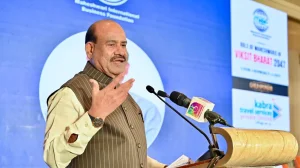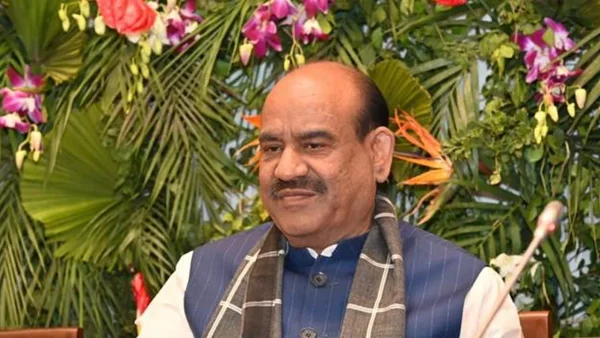
Birla spoke to the House of Parliament a day after the vote against him was lost, and he again said that the rules of parliament apply to everyone equally. He promised to continue leading things with honesty, fairness, and with respect for the traditions and importance of the House.
A Rare Vote And Its Significance
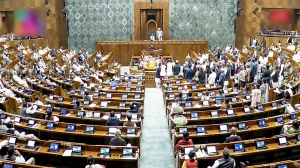
This vote of no confidence is very unusual in Indian parliamentary history. In fact, Birla pointed out it was only the third time a Speaker has had to defend themselves in a debate like this. For more than twelve hours over two days, politicians discussed the issue, which shows how politically and procedurally significant it was.
Thursday was the first time Birla had been in charge of the session since the notice for his removal was delivered during the first portion of the budget discussion, which finished on February 13th. The second part of the budget discussion started on March 9th. After his comments on Thursday, he said the House would not meet again until 2pm, indicating a return to normal business.
The government was strengthened by the failure of the vote. The opposition, however, got a chance to publicly complain about how much time they’re given to speak, how the Speaker uses their power to control things, and what they believe is unfair treatment in getting to speak during important debates.
Birla’s Case For Impartiality And Rules
Birla based his response on one main idea: following the rules. He said the House absolutely follows its own rules, and will continue to do so, even if that isn’t what some members or parties want. He said the Speaker’s position isn’t about one person, but about the respect for the House itself.
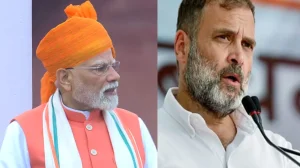
He said that everyone has the right to speak, including the leader of the opposition, but they must do so within the correct parliamentary process. He made it clear that nobody, not even the Prime Minister or any other minister, can say something without the Speaker’s approval. He said that the Speaker's control over who speaks is a way of making sure things are orderly, not a way of showing favour to one side.
Birla also presented himself as being fair to everyone. He thanked those who supported him and those who were critical, and said he will continue to do his job with honesty and fairness. Government members showed their approval by tapping on their desks as he gave this guarantee.
The point Birla was making was both about procedure and what it represents. By saying his authority comes from the rule book and the parliament as a whole, Birla was publicly promising to maintain order, allow people to participate, and respect the established customs of the Lok Sabha, and with that, responding to the accusations of unfairness.
On Microphones And The Mechanics Of Debate
One thing the opposition has repeatedly said is that Birla turns off the microphones of certain people when they try to speak. Birla directly answered this. He said he does not have a switch on his desk that lets him turn members’ microphones on or off whenever he likes. A microphone only comes on when the Chair (the presiding officer) says a member of parliament can speak.
What has been clarified gets at how we see fairness. In the parliamentary chamber, where things can get exciting and what happens often depends on who is allowed to speak and for how long, how members are given a turn, how long they are allowed to talk, and the sound system, all end up feeling like fairness. Birla (the Speaker, or Chair) said these steps come from the official process, and aren’t based on what he himself prefers.
Balancing Voice And Order In The House
The discussion about what the Speaker should do is largely about finding a balance between letting all members speak, and keeping order so the government can actually get things done. Birla said the system is specifically designed to manage this problem, by having a set of rules which are applied to everyone the same way.
The Leader of the Opposition and other members had asked for more chances to comment on important, urgent issues. Birla responded that while speaking is a basic right, it needs to happen following the list of speakers, the time given to each, and with the Chair’s permission to make the proceedings run smoothly and be fair to all.
In reality, this balance requires a lot of careful adjustment. How time is divided, if people stick to the topic, and which parties get to speak, all affect how many people feel the debate is open to all views. Birla’s focus on the rules implies he’ll continue to use the current system, but also wants everyone to have a chance to participate within those rules.
History, Optics, And The Mandate Of 1.4 Billion
Birla pointed out the huge size of the institution he leads, saying the Lok Sabha represents the will of 1.4 billion people. He said that every member has the problems of their voters to bring up, and the Chair’s job is to make sure they can do that without being disrespectful or slowing things down.
Because votes of no confidence in the Speaker don’t happen often, they cause a lot of attention. The debate was a way to test the parliament’s ability to question the Speaker’s decisions about procedure without damaging the respect for the parliament itself. By surviving the vote and directly answering the questions, Birla tried to make the story about the Speaker’s office more stable.
What’s at risk is the careful balance between what the government wants to do and what the opposition will check. The Speaker’s power is key to maintaining that balance. Birla’s statements were meant to reassure both the government and the opposition that his decisions will be based on the rules, not on which party he favors, as important laws are made and the government is examined.
What Comes Next In The Budget Session
The second half of the Budget session is now starting, and the political world is moving from this very public argument about procedure to the usual process of making laws and overseeing the government. The Speaker’s renewed promise to be neutral creates expectations for how future debates will be conducted.
The opposition will need to push for time to speak about important matters, and use the rules to get more comprehensive debates. The government will need to move forward with its planned laws without giving the impression of being unfair in the way it uses procedure. The Speaker's position will be critical for both of these goals.
In the end, we’ll see if Birla’s promises hold up in practice. If the rule book is used openly, if we can predict when members will be called to speak, and if interruptions are handled calmly, then accusations of bias might disappear. If that happens, the parliament can concentrate on the policies themselves, and also maintain respect for the Speaker and the office.