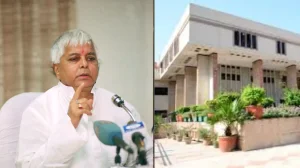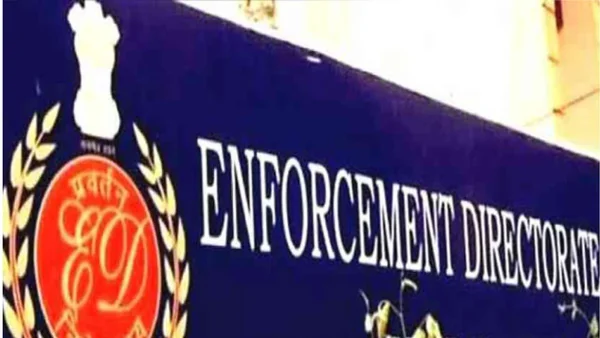
The Enforcement Directorate has increased its investigation of the school jobs scandal in West Bengal with another search of the Kolkata home of Partha Chatterjee, who used to be the minister of education. After security forces surrounded his house in Naktala, ED investigators searched the place and questioned Chatterjee as part of a money laundering investigation.
ED Conducts Fresh Raids in Kolkata
ED officials searched two locations in Kolkata. One was Chatterjee’s home, the other was the home of Prasanna Kumar Roy, who is believed to have been a middleman. They arrived in the morning, surrounded the area, and began searching because Chatterjee hadn’t answered earlier requests to be questioned.
Investigators say Chatterjee has repeatedly failed to show up when asked. The searches are to find paperwork, digital information, and anything else relating to the suspect cheating in teacher hiring and laundering money tied to the school jobs scandal.
Evidence and Money Laundering Probe
This current investigation follows raids in 2022 where over 50 crore rupees in cash, and a lot of gold jewelry were found at places connected to Chatterjee and Arpita Mukherjee. The Enforcement Directorate thinks this money and jewelry might be from criminal activity in a money laundering case.
Officials are following the money, looking at bank transfers and property ownership to see how funds were moved around. The investigation covers many different hiring periods and aims to connect illegal payments to specific decisions about who got hired, and to the people who were the middlemen.
Legal Timeline and Bail Proceedings
Partha Chatterjee was arrested by the ED on July t23, 2022, because of the first investigation into the teacher hiring. He was in jail for about 39 months. Then the Supreme Court granted him bail with conditions, and he was released on November 11, 2025, after all the necessary paperwork was completed.
Chatterjee had been bailed in a CBI case in August 2025 and had been getting medical treatment at a private hospital before being let out of jail. He missed a number of times when he was asked to come in for questioning after his release, which has led to a new wave of investigation and fresh searches relating to the continuing allegations of money laundering.
Allegations and Roles of Associates
Chatterjee is accused of being at the center of illegally hiring teachers and other staff at government supported schools during his time as education minister. Investigators say he was a main person in a system that supposedly used middlemen and inappropriate influence to manipulate the hiring process.
Arpita Mukherjee and Prasanna Kumar Roy are people who were named in earlier searches. Roy is now in jail and is believed to have been a middleman. After Chatterjee’s arrest, he was removed from his positions in the government and his political party suspended him. This shows how the investigation has had consequences for both Chatterjee politically and in the courts.
Implications for Education Policy and Accountability
The continuing ED investigation shows how much is wrong with the way people are hired for public school jobs. Accusations of cash payments and manipulating appointments destroy the public’s confidence in the system, and harm people who try to get jobs fairly.
People who make policies and those in charge of education are being pressured to make hiring more open, to carefully review hiring records, and to increase control over how schools hire. This case also shows how expensive corruption is and how much stronger anti-money laundering rules need to be in all public employment.
The Enforcement Directorate is continuing to investigate many cases connected to hiring, including hiring primary school teachers, assistant teachers for the SSC, and people for Groups C and D. As the investigation goes on, investigators expect to find paperwork and digital proof to show how payments and improper hiring are linked.