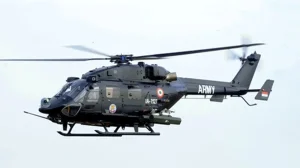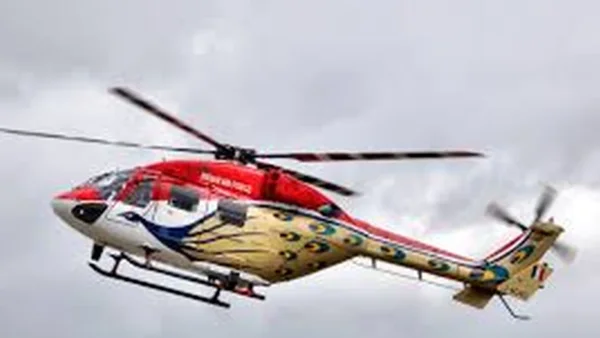
HAL has given the Indian Coast Guard four ALH Mk III (MR) helicopters in Bengaluru. They were delivered on time as agreed in the contract and are meant to improve security at sea, search and rescue work, and coastal work in important areas.
Delivery event and contract background
HAL officially gave the four ALH Mk III helicopters designed for use at sea to the Indian Coast Guard in Bengaluru. Present were DIG Rajesh Makwana, who leads the Coast Guard on the western coast, and PB Rangarao, the head of HAL’s Helicopter Complex.
The official paperwork for the helicopters went to Coast Guard groups in Kochi and Porbandar from the Regional Director, Aeronautical Quality Assurance. This delivery is part of a larger order for nine helicopters which was signed in March 2024.
HAL had already provided sixteen ALH Mk III (MR) helicopters to the Coast Guard by the end of 2022. In March 2026, both sides agreed to buy six more helicopters, showing they trust this type of helicopter and are continuing to expand the Coast Guard’s fleet.
Capabilities of the ALH Mk III (MR) platform
The ALH Mk III (MR) is a version of the Dhruv Advanced Light Helicopter which is made in India. It has two engines and can do many things, and it’s designed for tough conditions over the ocean and long flights over water.
These helicopters have sophisticated electronics, a modern “glass” cockpit, and can fly at night. They’ll be used for watching the sea, searching for and rescuing people, evacuating the injured, coastal protection, enforcing the law, transporting important people, moving troops, providing supplies, and stopping pirates.
The ALH Mk III (MR) is designed to respond quickly, and it improves the Coast Guard’s understanding of what’s happening with sensors and communication systems for use near the coast and further out at sea. Because it can be equipped for many different jobs, Coast Guard teams can quickly change what they’re doing during fast-moving events at sea.
Operational impact on maritime security and readiness
Having these helicopters will make the Coast Guard’s ability to respond much quicker along important stretches of coast, particularly on the western side. Search and rescue missions will be faster and the Coast Guard will be able to watch more of the sea from the air, decreasing how long it takes to respond and increasing awareness of activity in the area.
These additional helicopters will greatly increase the effectiveness of coastal security and patrols to prevent piracy. They’ll allow the Coast Guard to reach farther out to stop ships, evacuate injured people, and offer help during storms or accidents at sea.
By increasing the number of helicopters that can fly, the Coast Guard can fly more often and continue operations in many different areas at once. Working with ships on the surface and land-based radar will make sea operations more organized and successful.
Industrial and strategic significance of the delivery
HAL delivering the helicopters on time proves that India is now quite capable of making its own helicopters, and shows the country’s effort to be self-sufficient in making things for its defense. The fact that more have been ordered shows that those using them are happy with them and prefer a helicopter made in India that has already proven to be effective.
Getting the helicopters when they are needed reduces the need to buy them from other countries for essential work in the sea and in the air. It also supports jobs and training and the supply of parts within India. It also makes it more likely that the helicopters can be improved in the future and that other countries might want to buy the Dhruv family of helicopters.
Next steps for deployment and fleet integration
The Coast Guard groups in Kochi and Porbandar will be getting and starting to use the helicopters, and the people who fly and fix them will be following the usual process for getting new equipment. Pilots and mechanics will be trained in flying at night and using the equipment to sense things in the sea to be as ready as possible for missions.
With more helicopters on the way, the Coast Guard will add them to the fleet over time, which will improve coverage and reliability. All of this should lead to better coastal protection, a greater ability to help people in humanitarian crises, and improved safety for all the shipping routes around India.