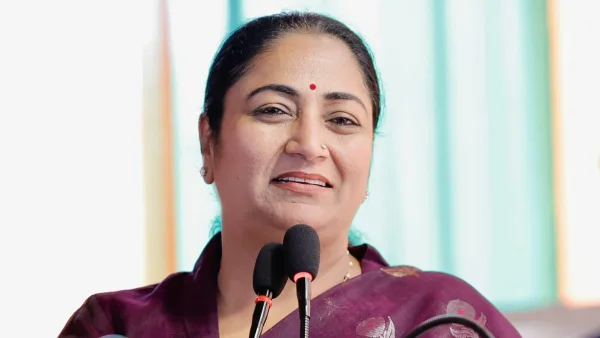
Rekha Gupta went to the Faculty of Arts at Delhi University to add her support to the Nari Shakti Vandan Act and encourage more women to be part of the government. She spoke with students and professors, describing the law as a necessary step toward policy making that is inclusive and makes the democracy more representative.
CM Rekha Gupta joins DU signature drive
When speaking to a lot of people on campus, Rekha Gupta stressed that society can only get better if women are making decisions. She believes that when women become lawmakers and run things, the things the government focuses on will change to address the issues that really affect families and towns.
The Chief Minister said the event was both a statement and something that would actually do something, asking students and citizens to sign to show they approve. The people organizing the event also gave out a phone number for a missed call to let more people participate even if they weren’t on campus.
What the Nari Shakti Vandan Act aims to do
The Nari Shakti Vandan Act is being presented as a big achievement in terms of women having a voice in politics and will increase the number of seats in the government specifically for women. Those who support it say it will move the country towards leadership that’s more balanced and better at responding to the specific needs of women.
Rekha Gupta connected the law with the long history of women fighting for their rights in the country, saying it has been built on work done for many years and is now gaining speed. She said Prime Minister Narendra Modi helped people agree on the law and wants it to be put into practice at all levels.
Delhi government initiatives supporting women
Rekha Gupta described Lakhpati Bitiya and Anmol, local programs, as specific policies that improve economic opportunity and security for women. She said these programs add to having women in government, they aren’t a replacement for it.
Lakhpati Bitiya concentrates on giving girls and young women the financial means to be independent, and Anmol is designed to improve support for families who are struggling. Combined, these programs show a plan to use social programs and changes to the system to increase women’s ability to control their own lives.
Campus engagement and public outreach
The petition gathered signatures and conversations from students, teachers, and people from the area. Those at the event held up banners and shouted slogans about women leading, and it was clear the campus really supports the change to the law.
After the main part of the event, the Chief Minister had a relaxed tea and conversation with students and professors at a campus shop. She said getting to hear from people directly and get their ideas makes public policy more responsive and relevant.
Implications for women’s leadership and governance
Those who favor the law think it will create a chain reaction of change by opening up opportunities for women to get experience and have influence in politics. Having a third of the seats in state and national government held by women could change priorities in areas like education, healthcare, family issues and how towns are run.
Rekha Gupta encouraged young people and groups of citizens to keep up the effort, saying it’s everyone’s responsibility to make the law work. If it’s carried out correctly, it could change how people start a career in politics and make our democracy more inclusive and answerable.
Rekha Gupta going to Delhi University shows a two-part approach: change the laws and build support at the local level with social programs. The petition was meant to turn the promise of the law into what people want and to remind everyone that good government for all starts with people being active in their communities.
The event also showed how leaders in Delhi can help national changes happen. By connecting the energy of the campus with the goals of the policy, the Chief Minister hoped to turn public excitement into real actions that help women lead and strengthen the democracy in Delhi and beyond.