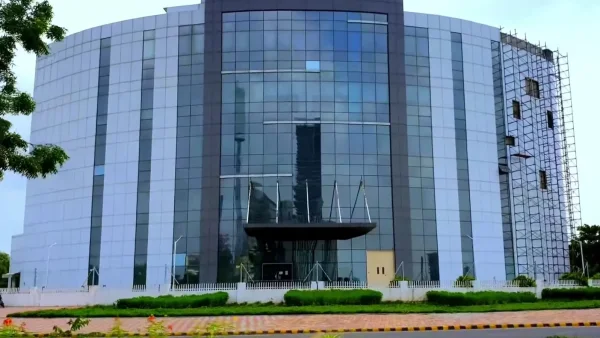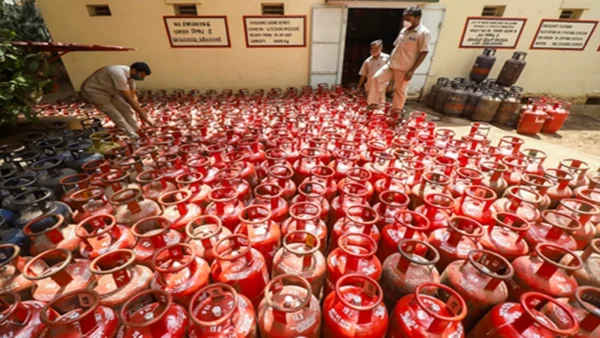
The cafeteria at the Sports Authority of India’s New Delhi headquarters has been closed for almost a month, and this is messing up the daily lives of staff, and making people wonder about the LPG supply and the price the vendor is charging. Staff who used to get their food at the cafeteria, which is at Jawahar Lal Nehru Stadium, are now going to restaurants and cafes nearby.
Closure Details and Immediate Impact
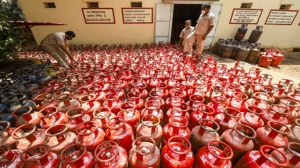
The company that runs the cafeteria says they stopped providing food because of a lack of LPG. They first only offered tea, but then even the tea stopped being available, according to people familiar with the situation. Employees who used the cafeteria are finding it inconvenient and more expensive to get food elsewhere.
The vendor had only been in charge of the cafeteria for a few months. People close to the situation say this short period of time makes it harder to have a good working relationship and to properly check that the contract is being followed. While the athletes’ meals haven’t aren’t being changed, this closure is causing issues with how things run at the Sports Authority of India headquarters.
LPG Supply and Regional Disruptions
People with knowledge of the situation say the LPG issue is tied to more general problems with getting things delivered, which have been caused by the recent fighting in the Middle East. India gets a lot of its cooking gas from other countries, and when there’s trouble in the world, prices and delivery can become unstable. This instability then affects smaller businesses like the cafeteria, which don’t make a lot of money on each meal.
At the same time, Sports Authority of India facilities in other places around the country aren’t having any shortages. The National Centres of Excellence are continuing to run their cafeterias as normal, and haven’t had any problems with the gas supply. This suggests the problem in New Delhi is limited to that location, and isn’t a national shortage.
Pricing Dispute and Vendor Conduct
Besides the supply of gas, people say that the vendor significantly increased their prices and this was a major part of the problem. People within the Sports Authority of India have been discussing whether the vendor raised the prices to a point where it was impossible for the staff and for events hosted by the Sports Authority of India to continue to afford to use it. For example, they charged 425 rupees for a plate of tea and snacks at important meetings, and this made management question things.
The Sports Authority of India’s leaders questioned these prices, and the situation became tenser. People who are watching the situation say the argument about the price probably made the problems with getting gas even worse, and led the vendor to stop providing the service. The vendor says the rising cost of LPG made continuing the service impossible, while Sports Authority of India officials are looking at the details of the contract and the prices being charged.
Athlete Meals and Operational Insulation
Athletes who are training at Jawahar Lal Nehru Stadium aren’t affected by the cafeteria being closed. They get their food from the stadium’s own kitchen which is still open and only makes food for the athletes. This shows that they’ve carefully planned things so athletes are given priority and have their food provided.
Making sure athletes can continue with their training and competitions without interruption is important. It also shows how an organization can protect its most important activities, even when other services are disrupted.
SAI Network Response and Next Steps
Sports Authority of India management are looking at both the vendor’s claims about getting gas and the complaints about the price to decide what to do. They could try to change the terms of the agreement with the current vendor, find a temporary contractor, or change the way they provide food inside the Sports Authority of India to make sure staff aren’t interrupted again in the future. They may also review how contracts are managed and how things are bought.
For now, staff will continue to use the food places nearby, but the management know they need a cafeteria on the Sports Authority of India campus that is reliable and doesn’t cost too much. In the longer term, the Sports Authority of India might look for ways to get LPG that are more reliable, or include rules in the contract that protect contractors from sudden price increases. Being open about what’s happening and solving disagreements quickly will be essential to getting the cafeteria open again.
This incident demonstrates how problems with energy prices around the world can easily cause everyday problems locally. It also emphasizes the need for good, clear contracts and oversight in government organizations that provide important daily services to employees and athletes.