The Artemis II crew returned from a historic trip around the Moon with a textbook splashdown in the Pacific Ocean off the California coast. As celebrations spread online on April 10, 2026, one lighthearted but practical question went viral: did NASA check for sharks before the Orion capsule hit the water? The agency weighed in with a clear answer.
What NASA said about sharks
An X user asked if anyone at NASA is responsible for making sure there are no sharks in the splashdown zone. NASA replied directly: ‘Yes – the recovery teams monitor the area so the only thing greeting the crew is the welcome party.’
This short answer officially confirmed that looking for marine life is part of the recovery plan, and it led to even more questions and jokes. People wondered what a shark would make of a capsule falling from space and what the recovery team would do if a shark did show up.
NASA didn’t give a detailed shark-specific plan, but they were very clear: the trained recovery team makes sure the area is safe before the astronauts open the hatch or get into the water, and the astronauts aren’t retrieved until the area is declared clear.
How Orion splashdown recovery works
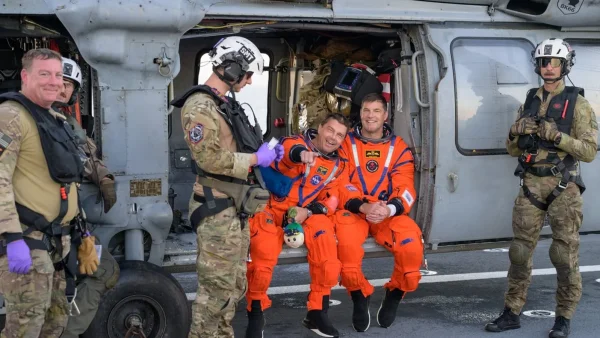
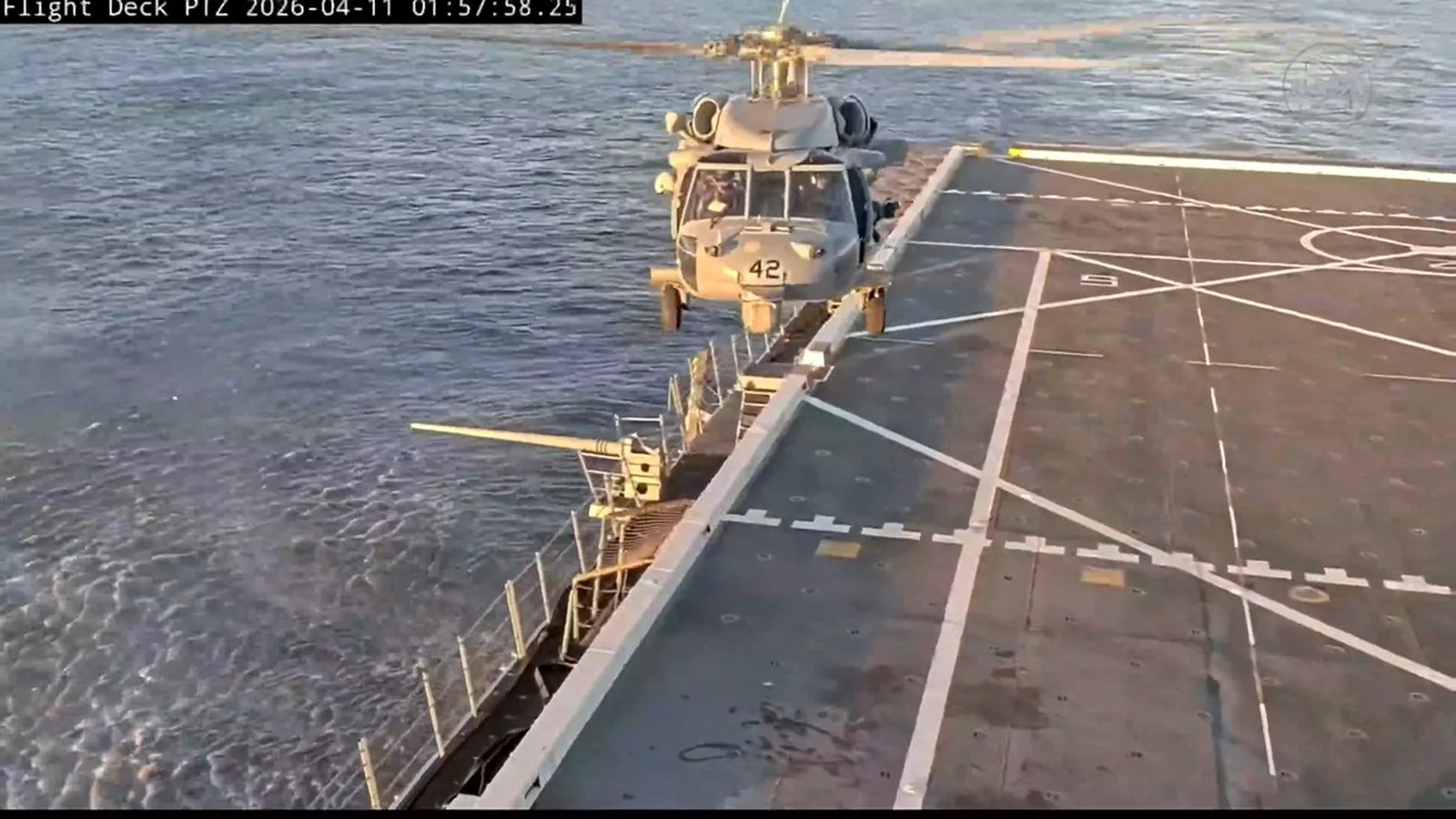
NASA, along with the Department of Defense, positions ships, smaller boats, and planes near where the Orion capsule is expected to land. They follow the capsule as it comes back into the atmosphere and as its parachutes bring it down, and then quickly move in after it splashes. The recovery boats then surround the capsule. Specialists in the water only go near it when it’s safe, and they check the capsule’s position, how well the communications are working, and if it’s floating properly. They’ll inflate a ring or use stabilization equipment if they need to to keep the capsule steady.
Inside the capsule, the astronauts go through their usual post-landing checks. They tell mission control how things are, describe the inside of the cabin, and wait for permission to leave. When the capsule is upright, they hear the signal ‘stable one’. Commander Reid Wiseman said, ‘We are stable one, four green crew members.’
Monitoring for marine life and other hazards
Before the divers go to the spacecraft, the recovery team looks at the water. Both boats and planes visually inspect it and use sensors to scan for other boats, floating junk, and animals. If anything is dangerous, they’ll wait to get closer until it’s gone.
The area the boats create also discourages animals from coming near; the noise from the engines and the water pushed by the propellers, and the way the boats move, usually sends them away. If a shark is seen, the recovery leaders can stay where they are, adjust the boats, or move a little until the water is safe.
This isn’t just for Artemis II. Dealing with dangers from nature is a standard part of any ocean landing plan. The checklist includes things like the weather, how rough the sea is, if it’s day or night, communication, medical supplies, and things in the environment, including marine life. The astronauts’ safety determines how quickly things happen.
A smooth return for Artemis II
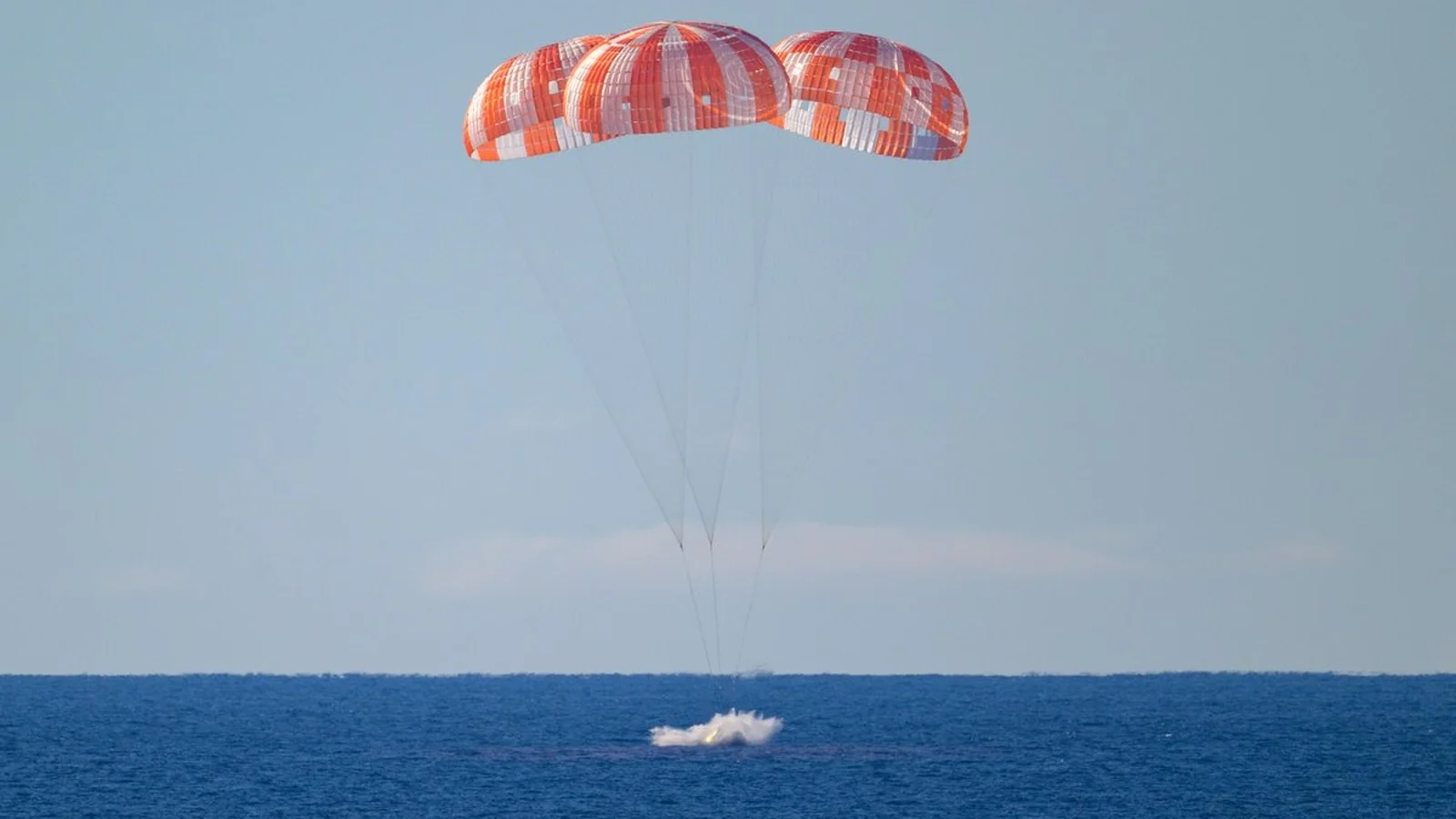
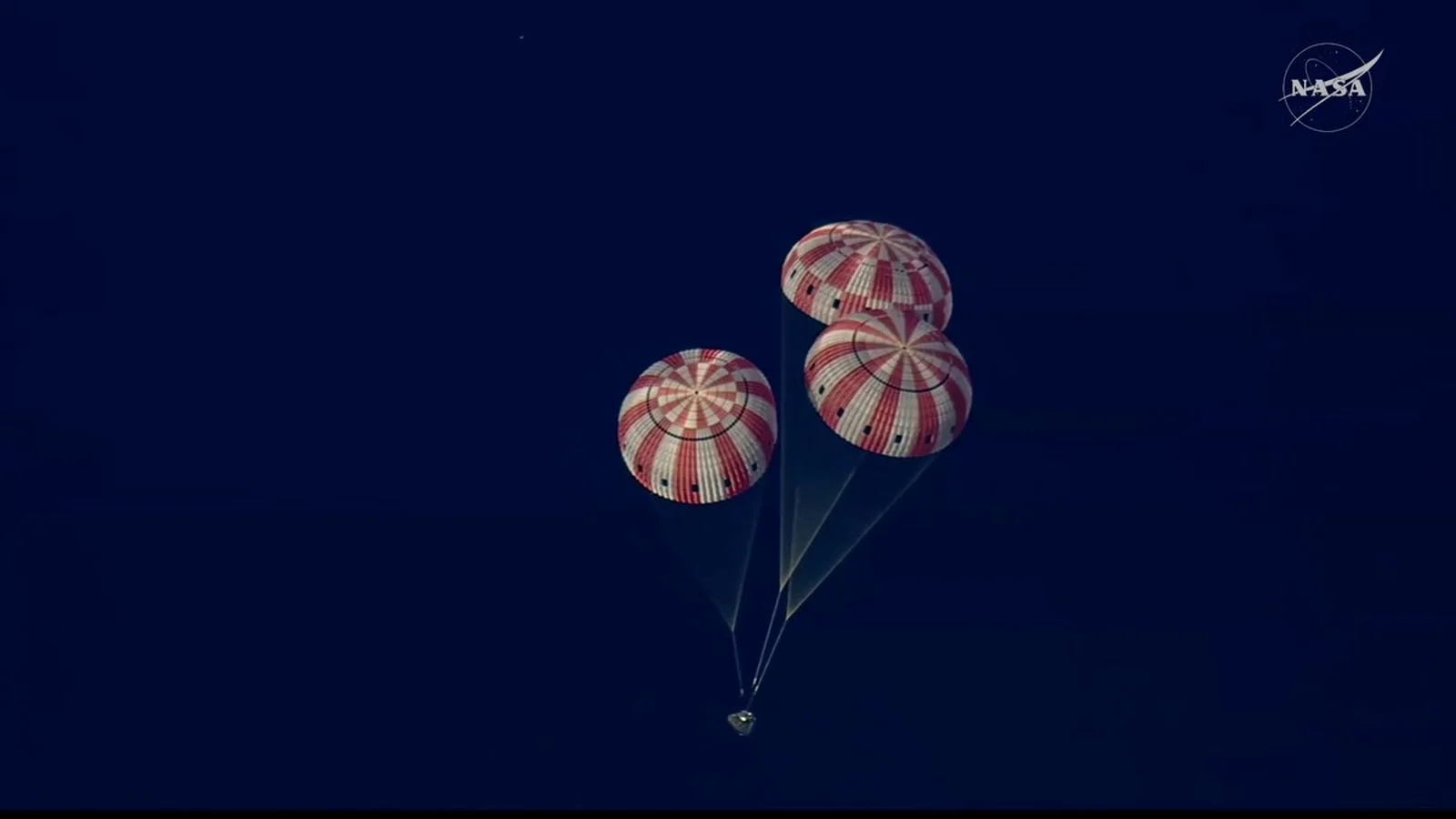
Artemis II landed at 8:07 PM Eastern Time after its ten-day trip around the Moon. The four astronauts were the first people to fly around the Moon in over fifty years. Everything went as planned from when the capsule entered the atmosphere, the parachutes opened, and it landed.
Wiseman said, ‘What a journey!’, and confirmed that everyone on board was doing well. Rick Henfling, the entry flight director, said the mission covered 700,237 miles and reached a maximum speed of 14,664 mph.
Within just a few minutes of the splashdown, the recovery boats were next to the Orion capsule. The team followed the procedures they’d practiced, checked the capsule was stable, and got ready for the astronauts to get out. The capsule landed about a mile from where they were aiming for, which shows how accurate the flight path and recovery plan were.
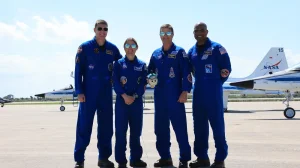
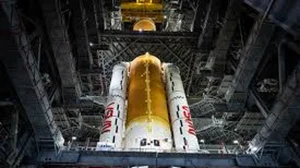
The Artemis II crew consisted of Reid Wiseman (NASA commander), Victor Glover (NASA pilot), Christina Koch (NASA mission specialist), and Jeremy Hansen (mission specialist from the Canadian Space Agency). This was also the first time NASA’s Space Launch System and Orion spacecraft were used with a crew for the Artemis program.
Why the splashdown zone is chosen
NASA doesn’t just pick a landing spot randomly. They look at weather patterns, the wind higher up in the air, how rough the sea is, how clear it is, and the time of day. They also think about how far it is to the recovery ships, how much air and sea traffic there is, and alternative landing routes. Environmental factors and wildlife are also part of the risk assessment.
The area off California has predictable conditions, lots of support from the sea, and planes and rescue swimmers can get there quickly. Because they’ve narrowed down the landing area to a small space, and because the navigation is so precise, the recovery team can position themselves close by and move in quickly once the capsule hits the water.
Because they’ve reduced the uncertainty about where the capsule will land, they shorten the amount of time it’s in the ocean. This, along with controlling the perimeter around the capsule, is why marine life doesn’t pose a big risk to the operation.
What comes next for Artemis
Henfling said the team gathered a lot of information which they’ll study in the next few weeks. What they learned from Artemis II will be used to improve the procedures, training, and equipment for the next flight. NASA says Artemis III is coming up soon, and they plan to use what they learned about working in deep space and with recovery.
So, the question about sharks that went viral has a simple answer, and it also gives you an idea of how NASA thinks. Yes, they prepare for animals in the ocean. Yes, trained teams clear the splashdown zone. And yes, the only thing they want to greet the astronauts after their trip to the Moon is a welcoming party that they’ve practiced a lot.