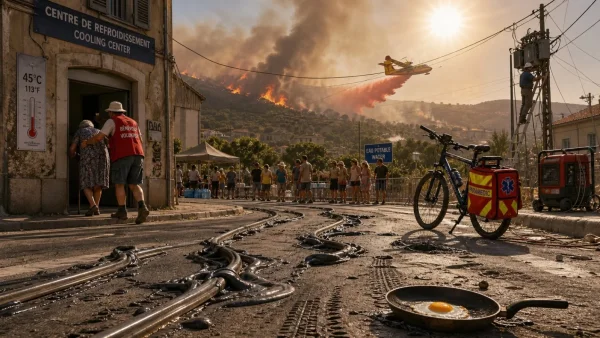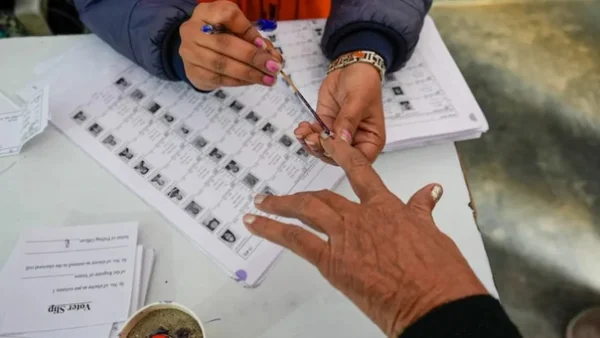
As Kerala gets hotter before the election on April and as the summer goes on, candidates are altering their time doing fieldwork to deal with the heat. They are doing pretty basic things: drinking tender coconut water, lime water with salt, eating light meals, and carefully deciding when to be where. Instead of being out in the open all day, campaigns are now happening early in the morning, late at night, or inside during the hottest parts of the day.
Weather warnings and official precautions
The India Meteorological Department has warned the entire state about the hot, humid weather. The state government has told people who work outside not to work from 11 am to 3 pm to avoid the worst of the heat. Because of these warnings, the political parties are having to rethink their rallies, parades, and attempts to reach voters when it’s hottest.
Campaign schedules tailored to the climate
Candidates say they are doing most of their outside work during the cooler times of the day. One campaign starts going to the public at 7 am and finishes their outdoor activities by 10 am, then they start rallies and large meetings from 4 pm to 9 pm. They are saving afternoons for visiting people at their homes or meeting in stores or offices that have shade and fans to make the intense heat more bearable.
Hydration emerges as a front-line strategy
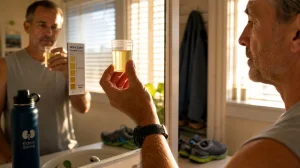
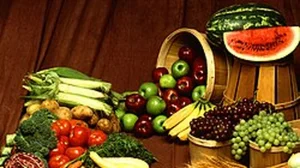
Tender coconut water is now something you always find on the campaign trail because it has electrolytes and is very refreshing. Lime water with salt and fruits that contain a lot of water are also popular. People working for the parties are regularly giving out bottles of water and the candidates are telling people to take small drinks frequently throughout the day to stay hydrated.
Dietary adjustments to stay active on the trail
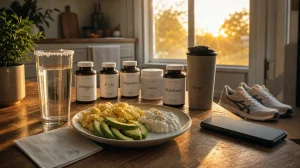
Many candidates are choosing to eat simple, home-cooked food provided by the party volunteers or at the party offices. Candidates who are vegetarian say they are taking ready-made salads and boxes of vegetables in their vehicles. Staying away from fried, greasy, or heavy foods helps reduce tiredness and keep energy levels steady during all that time with voters.
Expert guidance on nutrition and sleep
A senior dietitian (a food expert) says people campaigning should drink at least two liters of water each day and eat lots of fruits and vegetables with a lot of water in them. She warns that tender coconut water might not be good for people who have diabetes and suggests that people at risk get drinks with a good balance of electrolytes. Eating dinner early and avoiding junk food also helps you keep your strength and reduces how much your body has to work to digest food in the heat.
Balancing relentless schedules with health needs
Candidates admit it’s hard to stick to a strict diet when they have very full schedules and things happen at the last minute. Late-night meetings and a lot of activity can mean less sleep, but most are adjusting by trying to get as much rest as they can and having the campaign team do some of the work. Because the campaign isn’t long, there’s a lot of pressure, and sometimes looking after your health isn’t the most important thing.
Logistics, worker safety, and voter engagement
The campaign teams are also organizing things to make sure the volunteers and staff don’t get sick from the heat. Their plans include places to sit in the shade, having regular water breaks, and not having people stand outside for a long time at midday. These steps are to make sure they can continue to get voters interested while protecting the people who are going door-to-door and running the stalls.
Public health implications and campaign resilience
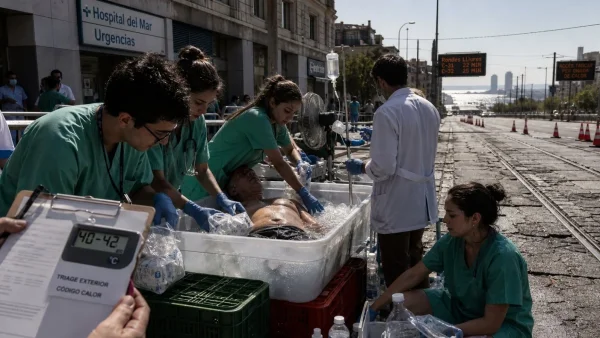
Heat waves are happening more often, and campaigning during the summer is becoming a bigger problem for people’s health. Simple things like starting earlier, having places to get water, eating lighter meals, and having meetings indoors during the hottest times of the day will help the candidates to continue to be effective and seen. Continuing to do these things will be important to finish the campaign without making anyone ill or losing touch with the voters.