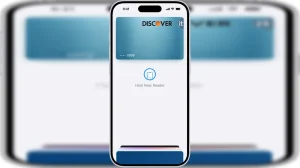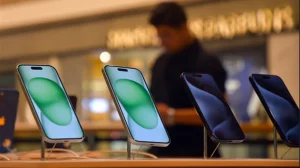
On paper, everything is in order. The service is technically sound and has the regulatory green light. But in practice, you can’t get around the fact that Apple and the big card issuers are at an impasse. It’s a key part of Apple’s plan to make inroads in a market where Android is king, but for now, the numbers don’t add up.
A premium pitch meets India’s pricing guardrails
The crux of the matter is the fee. Sources in the room say Apple is putting forward 20 basis points (bps) per transaction. The major banks won’t have any of it; they’re standing their ground at 15 bps, which is in line with what they see as the global standard.
Apple has made the case that its brand in India is premium enough to warrant a bigger cut. But the big issuers aren’t buying it. “Even with a high-end credit card here, you’ll find people are more likely to optimise for rewards across the board than put all their eggs in one wallet,” one banker put it.
You could say the smaller banks have caved, but the pushback is fiercest from the heavyweights. A person in the know says HDFC and ICICI have not moved an inch, and that’s what’s stalling a full-scale roll-out.
Compliance done, launch plumbing ready
This isn’t a question of being ready. With the Reserve Bank of India having updated its rules on biometric authorisation for cards late last year, the tech is there. One of our partners told us if the commercials were in place, they could be live tomorrow.
Regulators have been appeased, too. Apple has come to terms with the RBI on data localisation and will put in for the annual System Audit Report. Tokens will be kept on the device, as the authorities would have it.
Still, Apple is making a point of only going live with the biggest names in credit card issuing. They want wide acceptance from day one. That’s where the bottleneck is, with ongoing talks with the likes of HDFC, SBI Cards, ICICI, Axis and Kotak Mahindra.
The sticking points, at a glance
Negotiators describe a narrow set of unresolved issues delaying a go-live date:
– Commission gap: 20 bps vs 15 bps
– Big-bank participation at launch
– Positioning vs rewards-driven user behaviour
Why the biggest issuers matter
It’s a matter of strategy. For Apple, you don’t want a lukewarm start or a patchwork of users. For the banks, the first deal you sign sets the tone for the rest of the ecosystem, so the rate is a big deal.
Some at Apple think once it’s out there, they can win over customers. Bankers will tell you that Indian cardholders, no matter how well-off, are always after the best offer from their issuer, so there’s no real lock-in.
Both are trying to figure out the network effect. Apple wants to show the iPhone can do it all; the banks are looking after their margins.
Silence in public, movement behind closed doors
Neither side is talking. We put out some questions to Apple and the banks and got nothing back. Most of the people we spoke to asked to be off the record, pointing to NDAs.
In the end, it’s one variable: can they agree on a price? If the largest issuers come around, insiders say the rest will follow in a hurry.
Until then, it’s a reminder of how things work in India’s payments space. You can have the hardware and the compliance, but without the right kind of pricing power, you don’t have distribution. So for the time being, Apple Pay is as good as ready. It’s just not here yet.