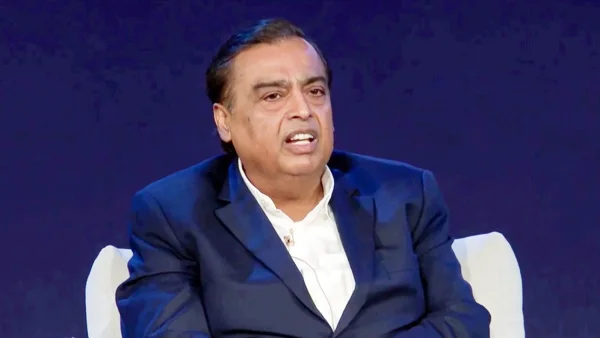
The latest annual report makes it plain: Ambani has not put a hand out for a salary since FY21. With the company racking up record annual profits, this is a firm stance on governance, one that may well influence how investors see things given some of the headwinds we’ve been seeing in the market and with the stock.
Why zero pay matters for Reliance now
It all started in June 2020 when the pandemic was running roughshod over India’s economy and society. Since then, the decision has been renewed every year. In the company’s words, for six years he has had no salary, no perquisites, no allowances, no retiral benefits, no commission and no stock options to speak of.
Reliance is positioning this as a response to the kind of scrutiny you see around the world on how top brass are compensated. Even as they are building out their consumer side and capitalising on India’s growth, they want to be seen as having the reins in on the C-suite.
A decade of restraint before the pandemic
This isn’t new. Long before the virus, Ambani put a 15 crore cap on his total take from FY09. For 12 years in a row, he stuck to that figure even as the company’s revenues and profits were on the up, or so the disclosures have it.
There is a logic to it. It preempts the kind of flak that can come with big payouts in a volatile sector. It also puts the optics right with shareholders when the market is being a bit unpredictable.
Record FY26 results and mixed quarterly trends
On paper, FY26 is a banner year. Reliance has a consolidated net profit of 95,754 crore, the most it has ever made. The market cap is put at 18,19,103 crore ($191.8 billion), though a separate part of the report has the number at 18.26 lakh crore for RIL.
The quarters tell a more complicated story. In March, net profit was down 8.9% to 20,589 crore, even as revenue inched up 12.9% to 3.25 lakh crore. EBITDA didn’t budge at 48,588 crore – you can see the strength in the consumer side and the strain in the energy businesses there.
Consumer engines vs legacy headwinds
Jio is chugging along. They put in 9.1 million new subscribers and saw their quarterly profit go from 7,022 to 7,935 crore, a 13% jump. Operations brought in 38,259 crore, and ARPU is up to 215 a month.
Then you have Reliance Retail. EBITDA is 6,921 crore, up 3.1%, and gross revenue is 98,232 crore. They’ve put 1,564 new stores in the ground this quarter for a total of 20,160. That kind of consumer activity goes some way to make up for the drag from elsewhere.
Not so for oil-to-chemicals, where EBITDA is 3.7% lower at 14,520 crore. You have to factor in steeper crude premiums, insurance on freight, and thin chemical margins. With what’s going on in West Asia, freight costs have gone up ten to fifteen times. The oil and gas side was down 18.1% on EBITDA due to lower output and higher running costs.
Investor lens: value, wealth and risk markers
Even with those kind of earnings, the share price is 4.3% in the red over the past 12 months. Promoter wealth is 9.1 lakh crore by the books, but it’s a case of profits and market sentiment not always moving in lockstep, particularly with the way global risks are affecting the energy book.
Ambani has been open about the environment they are in. He will tell you they have had to deal with geopolitical noise and shifting trade while India has kept on growing. The view from management is that the mix of the portfolio has been a good hedge against the outside world.
For a shareholder trying to get a read on things, here is what you have to work with:
– The Chairman has been on zero for six years
– A record 95,754 crore in profit for FY26
– The consumer side is on a tear, the energy side is not
What this signals for the competitive landscape
Most of your global counterparts would be hard-pressed to say they are doing without when the profits are this high. It makes for a strong governance story as Reliance looks to attract long-term money. It puts the focus on what you can do with the business, not on what the executives are taking home. We’ll see if that holds up in a more turbulent market.
It comes down to how they execute. Jio and Retail need to keep up the pace and O2C has to find its footing. Do that and the no-salary thing only adds to Reliance’s stature as a player with the discipline to match its size. Don’t, and the investors will be looking a lot harder at how you’re putting your capital to work.