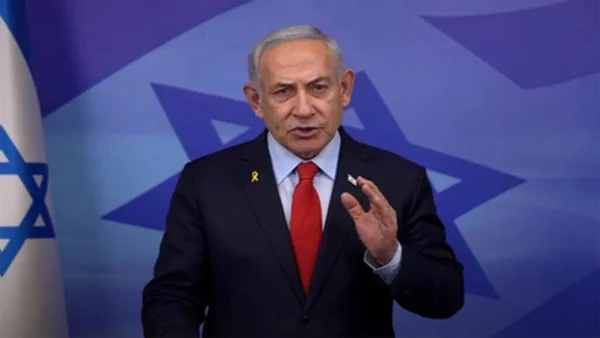
Benjamin Netanyahu has told his forces to make 70 percent of the Gaza Strip their own, an order that puts a strain on the tenuous ceasefire we’ve had in place since last October. You have to ask: how long can this truce hold? And what is Israel really after in Gaza?
What was put on the table by Netanyahu
At a get-together in a West Bank settlement, the Prime Minister laid out how control in Gaza has been ratcheted up in the course of the operations against Hamas. “We’ve gone from 50 to 60 percent,” he said, then gave the go-ahead to move to 70.
He put it in terms of putting the squeeze on Hamas, a process he called ongoing. Channel 12 in Israel put his words on tape, making sure there was no mistaking the intent behind the order.
A truce with some cracks in it
There is no getting around the fact that this runs counter to the spirit of the October 2025 deal. It is a sign that things on the ground are moving in a different direction, even with the accords in place to keep the peace.
Now everyone is talking about whether Israel is in for a longer, deeper commitment in parts of Gaza. It doesn’t make for easy diplomacy when you are trying to shore up a ceasefire.
What you see on the ground
Since the war started, the IDF has been at work in and above Gaza. The military will tell you they are after Hamas’s infrastructure and the ability to operate. In the eyes of officials, holding the land is how you do it.
Netanyahu was open about it a few days ago: 60 percent is already in our hands. So the new 70 percent figure is just the next step in what Israel is claiming in the enclave.
The human and regional side of it
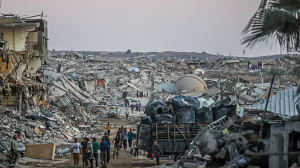
You hear from aid workers time and again that life for civilians in Gaza is only getting harder. More control from the military means less room to move for relief efforts, and those who are on the scene say the delivery lines are already thin enough.
Then there is the rest of West Asia. Tensions are running high and there is always the worry that one of Iran’s proxies in Lebanon or Yemen will make a move in response to what is happening in Gaza.
Where the politics and law come in
In telling his troops to cover 70 percent of the strip, Netanyahu is putting his political skin in the game. If the body count goes up or the ceasefire is viewed as being flouted, the world will be watching closely.
It also brings up the old questions of proportionality and what the security return is for all this. Every inch into Gaza is likely to be met with more calls for restraint from the diplomatic community.
Things to keep an eye on
From what he has said, this is a strategy of steady expansion. How it plays out will depend on a number of factors. Here is what to look for:
– Some straight talk from Israel on where they are headed and when
– What the people vouching for the truce have to say
– Any hiccups in the flow of aid
– A change in the way Hamas is acting
Why it is relevant today
All of this comes down to one thing: the link between the ceasefire, the aid, and stability in the area. Hitting 70 percent could put a crimp in negotiations and make for rougher going for relief work, with the people of Gaza feeling the brunt of it.
It is also a test of the October 2025 framework. Should the encroachment continue, you can expect outside parties to want some hard guarantees and a bit more oversight to head off trouble.
In the end
So here we are: an order to take 70 percent of Gaza, up from the 60 that is currently held. It is a step up in ambition. The pressure is on the ceasefire, the humanitarian situation is in the spotlight, and the risks for the region are only growing as we head into the next chapter of this.