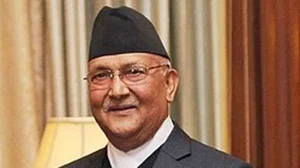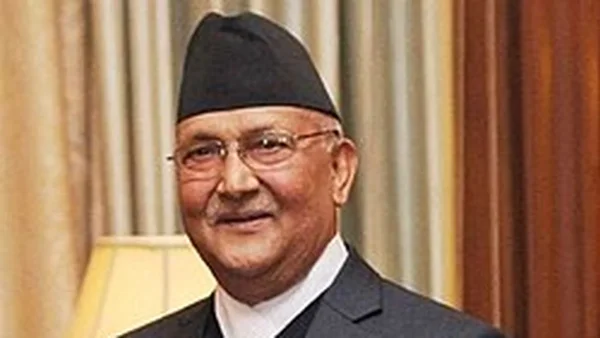
Oli was hospitalized a day after being arrested. Doctors are watching his heart and general health closely at Tribhuvan University Teaching Hospital. Both the medical team and the authorities are keeping tabs on how he’s doing.
Arrest and immediate legal steps
He was arrested at his home in Bhaktapur. This happened because of an official complaint which led to a warrant for his arrest, and relates to the way the September 2025 protests by ‘Gen Z’ were stopped. The police have accused him of a type of manslaughter, and are keeping him to ask him more questions.
The Kathmandu District Court said Oli could be held for five days. He wasn’t physically in court because of his health, he joined the hearing from the hospital. Ramesh Lekhak, a former Home Minister who is accused with him, was brought to court.
Medical history and current condition
Hospital doctors say Oli has a lot of health issues. He had a kidney transplant before, and has hydronephrosis (swelling of the kidneys). He also has diabetes, high blood pressure, an underactive thyroid, an irregular heartbeat, and gallstones – all of which can make heart problems worse.
Doctors say he was admitted to the hospital after experiencing his heart racing. He’s in a special ward and being monitored. The medical staff are trying to give him the treatment he needs, but also have to deal with the legal and security requirements and keep a record of his condition for the court.
Details of the investigation and commission findings
The arrests are based on what a commission recommended. This commission was led by a former judge from a special court, and looked into how the government handled the protests by young people on September 8th and 9th of 2025. The commission said the way the protests were broken up was due to criminal carelessness and recklessness, and said that legal action should be taken against many people in government.
During the protests, 77 people died and a lot of property was destroyed. The commission mentioned a number of high-ranking officials who could face legal issues, and the government says these arrests are about following the commission’s suggestions and making sure people are held responsible.
Public response and unrest after the arrest
Oli's arrest has caused demonstrations all over the country by his supporters in the Communist Party of Nepal (UML). People gathered in Kathmandu and other cities, wanting him to be freed and saying the investigation is unfair. The party has asked for action across the nation and said they are ready to organize more protests.
At some of these demonstrations, things got worse; people threw stones and the police responded by hitting protestors with batons. Police reported one person injured and several people arrested during the clashes. The protestors also want Home Minister Sudhan Gurung to resign and are calling for a full and fair investigation.
Political implications and immediate fallout
These arrests and Oli being in the hospital come at a tricky time in politics, just after Balendra Shah became prime minister. Shah, who leads the Rastriya Swatantra Party, took over as prime minister following the recent elections and at a time when the country is very divided.
What’s happening is likely to make people argue more about accountability, the rule of law, and how to find a balance between keeping order and protecting people’s freedoms. Both sides of the argument will probably use the situation to get their point across, while the courts and doctors try to stick to the right procedures.
Oli being in hospital might change how he is kept in custody and how quickly the investigation can go ahead. This raises practical and legal questions about what to do while making sure he gets the medical care he needs. People will be watching to see how the courts balance his health with the need to investigate.
This case will definitely be a central issue in Nepal’s politics for the next few days. The government has two difficult jobs: to conduct a serious investigation and to give a well-known person in custody kind and proper medical attention, all while controlling the public, and the political disagreements.