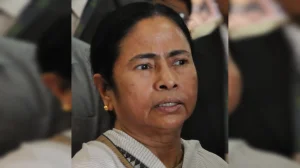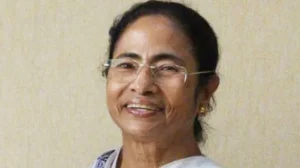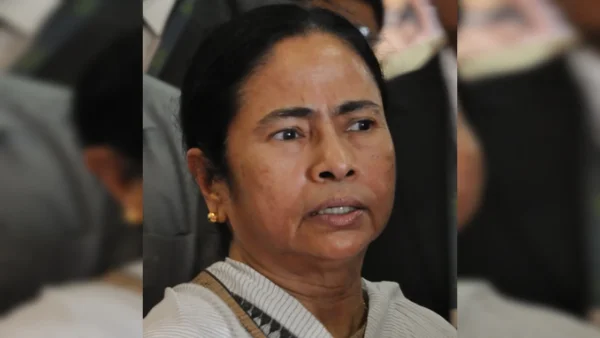
Mamata Banerjee, who is the current leader of West Bengal, specifically warned people that if the BJP gets into power in the state, they might not be able to get fish, or eggs. This fairly strong warning, about “fish or eggs”, has become a main point in the election campaigns as political parties prepare for the elections in late April and early May. The election in the state will happen in two parts, and the way parties are talking to each other is getting more heated as they try to get support from voters and important groups of people.
Context of the Purulia rally and election timing
She made these statements as campaigning is becoming more and more active. The timing of what Banerjee said fits with the larger message from her party; they’re portraying the BJP as a threat to the way life is in the region and to the identity of people in the area. Politicians are emphasizing things to do with culture and the economy to get voters who haven’t decided yet to support them, and the votes will be counted in early May.
The dietary freedom warning and its framing
Banerjee said that in areas governed by the BJP, common foods like fish, meat, and eggs aren’t eaten as readily. She suggests this could happen in West Bengal if the BJP were to win. She connected this to having the freedom to do what you want and the customs that are central to Bengali life.
The way she spoke tied food choices to larger worries about the power of the majority and what she says is the BJP trying to force certain social rules on people. By talking about the freedom to choose what to eat, Banerjee touched on something very real and important to families and communities throughout the state.
Accusations of violence and targeting of communities
Banerjee went on to accuse the BJP of causing splits and using violence to get power. She says that attacks on tribal people and women happen more often in states ruled by the BJP. She also expressed worry about the safety of Bengali speakers who live outside of West Bengal.
These claims are part of a longer argument about maintaining law and order, the rights of minority groups, and protecting culture. Political leaders frequently use these types of statements to show how different they are from other governments and to motivate voters who are worried about being safe and society holding together.
Political backdrop: regional pride and historical claims
The rally happened soon after other people in her party talked about how people from Bengal have contributed to the history of the country. This shows they have a plan to show off the regional identity of Bengal. This is done to make a contrast between the cultural history of Bengal and the stories that the other parties are putting forward.
Using history and being proud of your culture can make political disagreements more intense, but it also makes people in the area feel more connected and loyal to a party. For a lot of voters, how a party talks about language, food, and what happened in the past helps them decide which party will do the best job for them.
Potential implications and public reaction
Banerjee’s comments quickly spread on social media and in political discussions, and both those who agree with her and those who don’t are debating them. Some voters might think the warning is a serious point about culture disappearing, while others could believe it’s simply a trick to get people to vote for her by scaring them.
Political experts say that this type of speech can divide voters and make the election focus on questions about who people are, rather than on how things are run and what policies are in place. What happens in reality will depend on how the opposing parties answer and whether voters are more concerned with things like having a job, getting an education, and having good public services.
What to watch as voting approaches
In the next few weeks, pay attention to what the two main parties say about culture and the economy in their plans and at their rallies. What they say about law and order, protecting minority groups, and how people make a living locally will show which ideas are getting the most support from voters.
The results of the election will be because of a combination of people’s identities, how well the government is performing, and how much work parties are doing to get out the vote. As the day of the election gets closer, the things parties say about freedom, safety, and the character of the culture will continue to be important in West Bengal and will possibly affect how the government is run in the future.