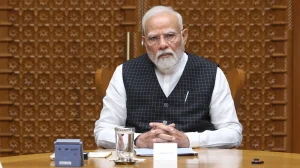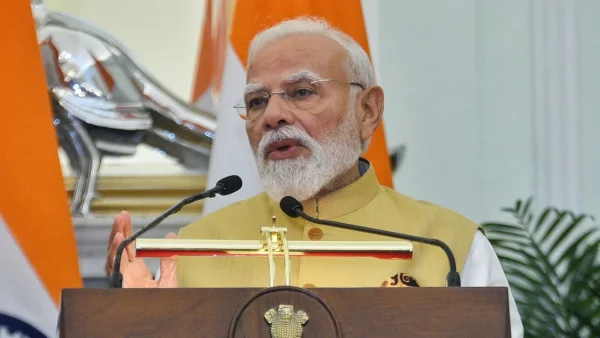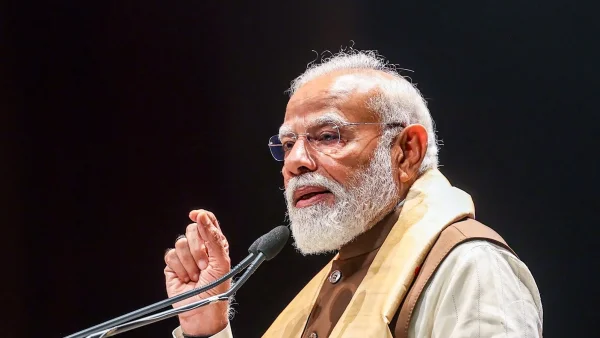
On Sunday, Prime Minister Modi thanked Gulf nations for the help they’ve given to Indians in the area and asked both citizens and political groups to avoid treating the worsening situation in the Middle East as a chance to support a particular side. He described the trouble as a humanitarian and strategic difficulty.
Gratitude to Gulf partners and protection of Indians abroad
Modi explained that India is thankful to Gulf countries for assisting over 10 million Indians during the Middle East conflict. He pointed out that many families in India have family members working in Gulf countries and emphasized that getting those people safely and taken care of is the most important thing.
The Prime Minister believes India’s long relationships with these countries and the work of our embassies and consulates on the ground have been crucial for Indians. He also recognized the practical help the countries where Indians are living are giving, including help getting people out of the country, safe places to stay and practical help for workers and their families.
A call against politicization and the spread of rumors
Modi asked political parties and the public to not turn the conflict into a partisan issue. He said that doing politics to help oneself and spreading rumors are harmful to the country and people’s confidence during this difficult time.
He wants people to get their information from the government and to check to make sure something is true before they share it. He hopes this will lessen panic, stop false information from spreading and keep society working together while the situation in the area continues to change.
Energy challenges: fuel price volatility and policy responses
The Prime Minister also said the price of petrol and diesel around the world is becoming a problem because of the increasing conflict and the effect on the price of crude oil. He said India will use the diplomatic relationships and economic strength it’s built up over the last ten years to handle the effect of this.
Because of the rising cost of fuel, the national government has lowered the excise tax on petrol and diesel to make it easier on people. They are also speeding up the change to Piped Natural Gas (PNG) to deal with shortages of LPG (cooking gas) and to give households more options for their energy.
Infrastructure push and a pivot to PNG
Officials are planning to lay pipelines and build PNG systems faster, so people don’t have to rely as much on LPG in cylinders and energy is more reliable. This is intended to make the country’s energy system stronger and less affected by issues with supplies from other countries.
Making the PNG network larger also fits with a broader plan to change to cleaner energy, balancing immediate help with investments in more stable and clean fuel systems in towns and cities over the medium term.
Diplomacy and global engagement amid the crisis
Modi has been talking to the leaders of many countries to work together and protect what’s best for India. He spoke on the phone with Saudi Crown Prince and Prime Minister Mohammed bin Salman about the changing situation and arrangements to support Indians in the area.
The Prime Minister also talked with other important people around the world to try to make sure supply chains continue to function, keep an eye on oil prices and make sure our embassies can get in touch with Indian citizens. These diplomatic efforts are meant to deal with the current crisis and strengthen relationships with countries for the long term.
Domestic implications and the path forward
Modi says this is a time for everyone to be united, careful and to have sensible policies. He repeated that what’s best for the country should be the guide for what happens and that people should follow advice that has been checked during this time of not knowing what will happen.
The government will probably combine quick solutions like tax cuts and emergency actions with investments in fuel systems and working with other countries. For people and businesses, being able to bounce back will depend on clear communication, organized transport of things and continued cooperation with the rest of the world.