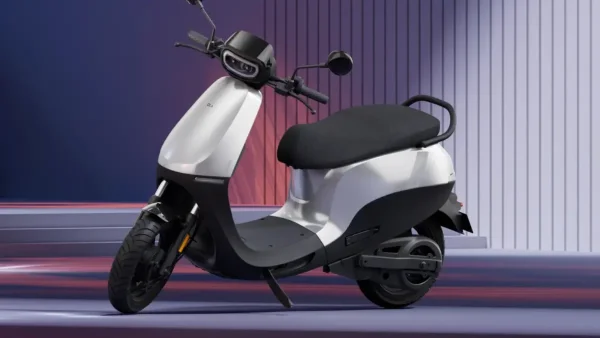
In Thane, a consumer commission said Ola Electric had a ‘significant lack’ of service and engaged in an ‘unfair trade practice,’ and for this reason must replace a defective electric scooter or fully refund the buyer. This came after the scooter had many technical issues, Ola Electric didn’t communicate well, and they apparently tried to hide their mistakes during the problem-solving process.
Panel decision and remedies
The District Consumer Disputes Redressal Commission (Additional Thane) specifically said Ola Electric needs to give the customer a brand new scooter that is exactly the same as the one they originally bought. If they can’t do that, they have to return 96,997 rupees, plus 6% interest per year from the day the scooter was purchased.
On top of that, the commission awarded 20,000 rupees to the customer because of the worry and trouble caused, and another 15,000 rupees to cover the costs of taking the case to court. Since Ola Electric didn’t show up for the hearing or provide a written response, this ruling is final for now.
Consumer experience and reported defects
The person complaining, a lawyer from Navi Mumbai, bought the Ola electric scooter in July 2024 for 96,997 rupees. Just two days after getting it, on its first real trip, the scooter had problems speeding up and stopped working multiple times while in traffic – which could have been dangerous.
On August 29th, 2024, the battery went from 21% to 3% in about 500 meters during a ride, and the scooter stopped suddenly. The customer said this quick failure could have caused a very serious accident, and the commission agreed the scooter was faulty from the start.
Service failures and communication breakdown
The customer sent many emails and WhatsApp messages to Ola Electric, but didn’t get a helpful answer until he talked about the problem on social media. The commission said this lack of attention to the customer was a clear failure in their after-sale service and communication with customers.
The customer’s insurance company says the scooter was taken for service but wasn’t actually taken to the garage it was supposed to go to. When it was returned months after the complaint was made, it was dirty and had scratches on it. The commission saw this as more proof that Ola Electric didn’t take good care of the scooter and didn’t service it properly.
Legal finding on deficiency and unfair practice
The commission decided that not telling the customer what was happening with the service, not having the scooter, and giving it back during the complaint process were both a lack of service and an unfair business practice. They emphasized that fixes need to be done quickly, clearly, and genuinely.
By connecting the original problems with how the company dealt with things later, the panel found that the manufacturer didn’t do what was reasonable to fix the faults or tell the buyer about them. Because of this, the order makes customer safety and being held responsible for mistakes the top priorities in the electric vehicle market.
Implications for the EV industry and buyers
This decision points to common issues which could make people lose faith in electric scooters – specifically how reliable the batteries are and how quickly the service network responds. Manufacturers need to do thorough testing, have very clear service procedures, and give customers support faster to avoid accidents and problems with the law.
For the entire electric vehicle industry, this ruling means that courts and commissions will look at what a company does after the sale as carefully as they look at the design of the product. Being open with service records and fixing problems quickly will be necessary to continue to grow and for the public to believe in electric vehicles.
Practical advice for EV owners seeking redress
If you own an electric scooter and it keeps having the same problems, you should keep records of all communication, the receipts from any service, and the dates of when it breaks down and how the battery is working. If you can’t get the problem solved by just contacting the company, make a formal complaint to the consumer protection agencies.
You might be able to get a replacement, a refund with interest, and money for the stress and the costs involved. This case shows that using the legal system and regulatory bodies can actually get you a real result when a manufacturer doesn’t provide a reasonable level of service and safety.